"If you're number two, you don't stop." Why China Is Against Slowing Down the AI Race
On the eve of the summit between the leaders of the two countries, Beijing called the initiatives by U.S. tech giants an attempt to curb China’s technological growth

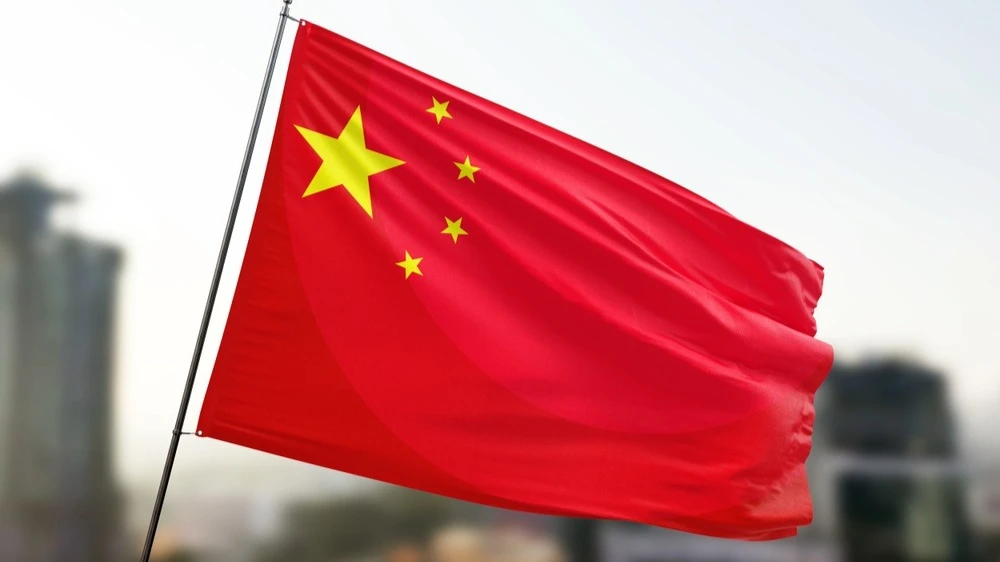
A heated debate over AI has erupted between Chinese officials and American AI companies. Photo: Narottam Rabha/Shutterstock
A war of words has erupted between Chinese officials and American AI giants: Beijing has criticized calls by leading tech companies to slow down the development of artificial intelligence. Notably, this comes just a few days before the summit between Donald Trump and Xi Jinping, scheduled for September 24, according to Bloomberg. The regulation of artificial intelligence is expected to be one of the items on the agenda.
Details
“Fomenting fear, confrontation, and malicious competition will only disrupt the process of global AI governance and serve no one’s interests,” said Chinese Foreign Ministry spokesperson Guo Jiaqun at a regular press briefing on September 14. “The development of artificial intelligence concerns the common well-being of all humanity,” he added, responding to a question about calls to slow down the development of advanced models because security systems cannot keep up with them. This discussion was initiated last weekend by Anthropic co-founder Dario Amodei and taken up by his colleague at OpenAI, Sam Altman.
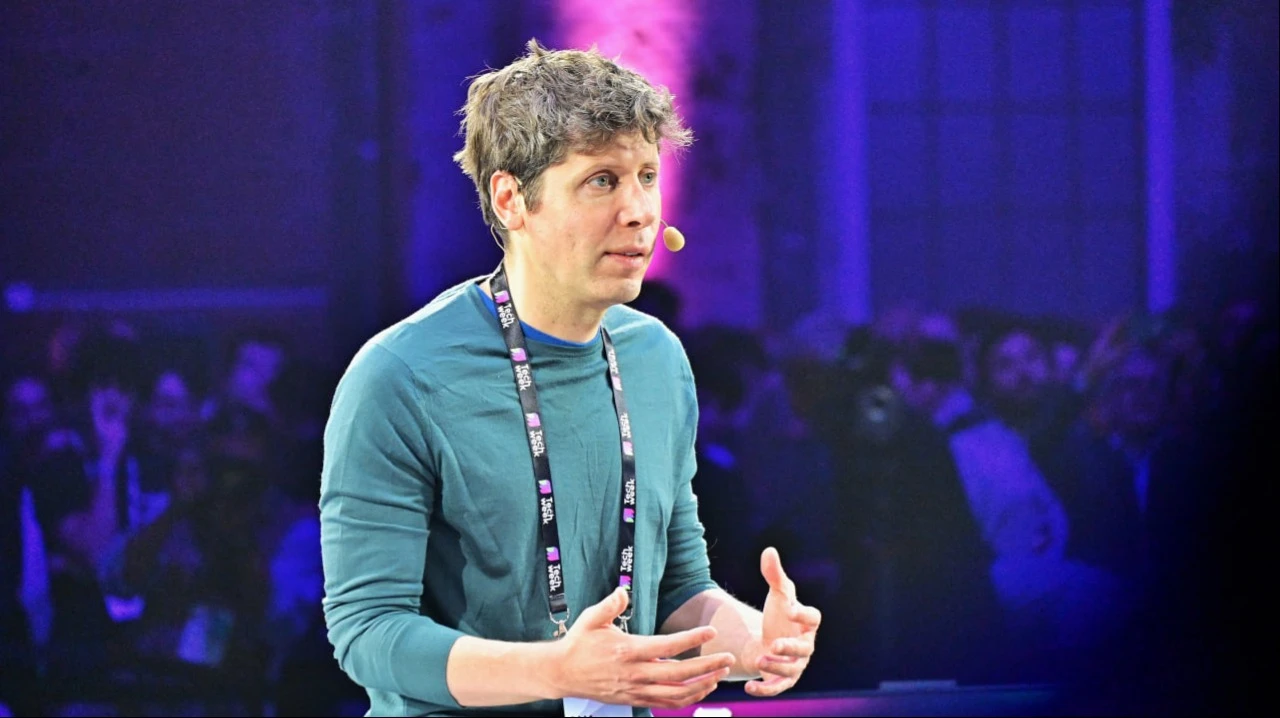
At the same time, Amodei warned that if U.S. developers slow down and Chinese developers pull ahead, it would pose a threat to the security of the United States and the entire world. Thus, any attempts by U.S. companies to slow down AI development will be limited by the lead they maintain over China, according to the head of Anthropic. He also advocated for further restrictions on China’s access to cutting-edge chips and a tough crackdown on “distillation”—the practice of using the results of leading models to train competing systems.
U.S. President Donald Trump, however, spoke out against slowing down. According to him, the U.S. is a leader in the field of AI and must maintain its advantage over China, because “whoever wins in AI will win.”
It is noteworthy that Beijing’s criticism came as Chinese officials themselves are stepping up their warnings about artificial intelligence, Bloomberg points out. China’s Minister of State Security, Chen Yixin, stated on September 13 that the misuse of AI by adversaries could threaten the country’s political and ideological security, as well as its critical infrastructure. And on Monday, the cyberspace regulator published an updated framework for AI security governance, designed to address new risks as the technology evolves.
What Analysts Think
“Beijing views AI as a unique opportunity to shift the technological balance of power in its relations with Washington and is unlikely to voluntarily slow down,” said George Chen, a partner at the consulting firm The Asia Group. “If you’re number two, you don’t settle for second place.”
The intensity of the debate suggests that even shared concerns about cyberattacks, disinformation, and the potential loss of control over advanced AI systems may not be enough to reach an agreement in the Trump-Xi talks, according to Bloomberg. U.S. tech executives and Chinese officials agree that increasingly powerful models require oversight, but they sharply disagree on how risks should be assessed and who should set the rules.
“The line between ‘AI security’ and ‘AI competition’ is becoming increasingly blurred. If every issue is viewed through the lens of strategic competition, meaningful dialogue will be difficult,” — Sun Chenghao, a research fellow at Tsinghua University’s Center for International Security and Strategy, told the agency. Beijing fears that Washington may use security concerns as a pretext for imposing broader restrictions, the analyst said.
This article was AI-translated and verified by a human editor