Investors are selling off cryptocurrency and buying AI stocks. Is this the end of the Bitcoin era?
Trading platforms popular among crypto traders, such as Hyperliquid, have begun offering derivatives linked to the stocks of AI companies

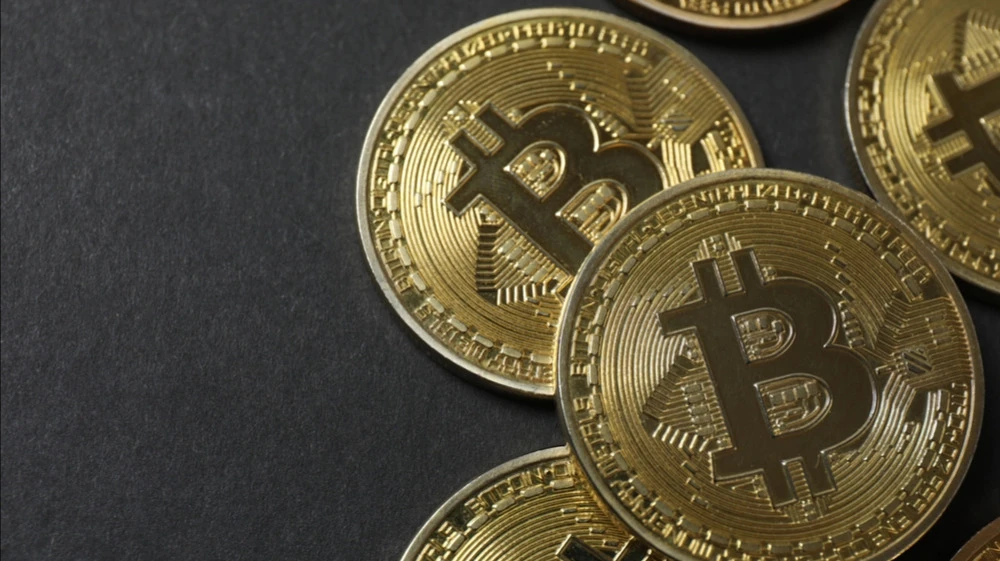
Demand from cryptocurrency buyers has dried up, and institutional capital has begun to flow into AI stocks, traders explain / Photo: Sunlight_s / Shutterstock.com
The Wall Street Journal noted that retail traders and hedge funds are selling off Bitcoin and other cryptocurrencies to shift their investments into stocks of companies involved in artificial intelligence. The newspaper reported on several traders who closed their positions in cryptocurrency. The publication suggests that Bitcoin’s stagnation at the $60,000 level may be linked to this capital outflow into AI.
Details
Over the past year, the market has seen a capital outflow from cryptocurrencies: investors are putting that money into stocks of AI-related companies. This rotation helps explain why Bitcoin has “stalled” at around $60,000 after plummeting from its record high of over $126,000 reached in October, the WSJ reports. At that time, the token fell following threats by U.S. President Donald Trump to impose new tariffs on China, which prompted investors to pull out of the riskiest assets. Meanwhile, shares of chipmakers and other AI-related companies are experiencing sharp spikes previously associated with cryptocurrencies, the publication notes.
"What's happening in the crypto market right now is just the beginning of the shakeout," the WSJ quotes Mike McGlone, senior commodities strategist at Bloomberg Intelligence, as saying.
Why Do Traders Sell Cryptocurrency?
Daniel Koss, a 30-year-old investor from Switzerland, had been actively investing in Bitcoin, believing that cryptocurrencies would revolutionize finance. But in August of last year, he sold his entire Bitcoin position—which was valued in the six figures—and now all of his investments are in artificial intelligence. “I felt a bit like a caveman who had discovered fire,” Koss explained to the WSJ.
The investor has no plans to trade Bitcoin again at this time. In his view, this asset has reached such a stage of maturity that explosive, parabolic growth is a thing of the past. He believes that Bitcoin will never again be able to increase in value tenfold in a single year. “I think even doubling in value would be a lot, because it has become so large,” Koss emphasized.
Ryan Ho, the 25-year-old founder of the trading app Legend, told the WSJ that he owned a seven-figure amount of Bitcoin when the cryptocurrency was trading around $120,000. At the time, he believed it would “never fall below $100,000 again.” By December of last year, amid a downturn in the crypto market, Ho withdrew a significant portion of his funds from Bitcoin and altcoins and shifted them into stocks of chipmakers and other AI-related companies, including Intel. However, he still holds several hundred thousand dollars in Bitcoin.
According to Ho, one of the main reasons for the exodus from cryptocurrencies was the structural weakness of this market. In his view, following the October crash, cryptocurrencies ceased to behave like a healthy risk asset: buyer demand dried up, and institutional capital began to flow into AI. The crypto market stopped moving in tandem with the stock market, which continued to grow, the investor explains. He believes that AI’s growth potential appears more compelling to retail investors because it is grounded in real-world applications—from ChatGPT to AI-powered programming.
Another factor that spurred the shift from cryptocurrencies to AI was that trading platforms popular among crypto traders, such as Hyperliquid, began offering derivatives linked to the stocks of AI companies. “That’s exactly why most crypto traders have started trading shares of AI companies in recent months. Simply because the opportunity arose,” Ho noted.
Other crypto traders simply decided to take profits following the rapid rise in Bitcoin and the major tokens. Trader and digital artist Min Le told the WSJ that he recently sold part of his assets to buy a Ferrari. In addition, he invested a significant portion of his earnings in collectibles related to Japanese anime, including One Piece and Pokémon cards. According to Le, he built his fortune in digital assets through NFTs and meme coins. The Los Angeles-based trader started in 2017 by buying Litecoin—once a popular cryptocurrency—with a credit card, and then significantly ramped up his investments using payments he received during the pandemic. Le began actively taking profits shortly after purchasing the Trump meme coin, which the president launched just before his inauguration. “That was some of the fastest money I’ve ever made in my life,” he said. “I realized it was time to walk away from the table.”
Now, after several months away from the market, Leo is cautiously returning to cryptocurrencies. This time, he’s taking a more conservative approach, investing in assets that he believes have real-world applications, such as stablecoins used for payments. “If you can’t turn that digital profit into real money that you can live on and use to enjoy life, then what’s the point?” Le said.
This article was AI-translated and verified by a human editor