"It's not the time to hide in a bunker": What are people on Wall Street saying after the AI sector's crash?

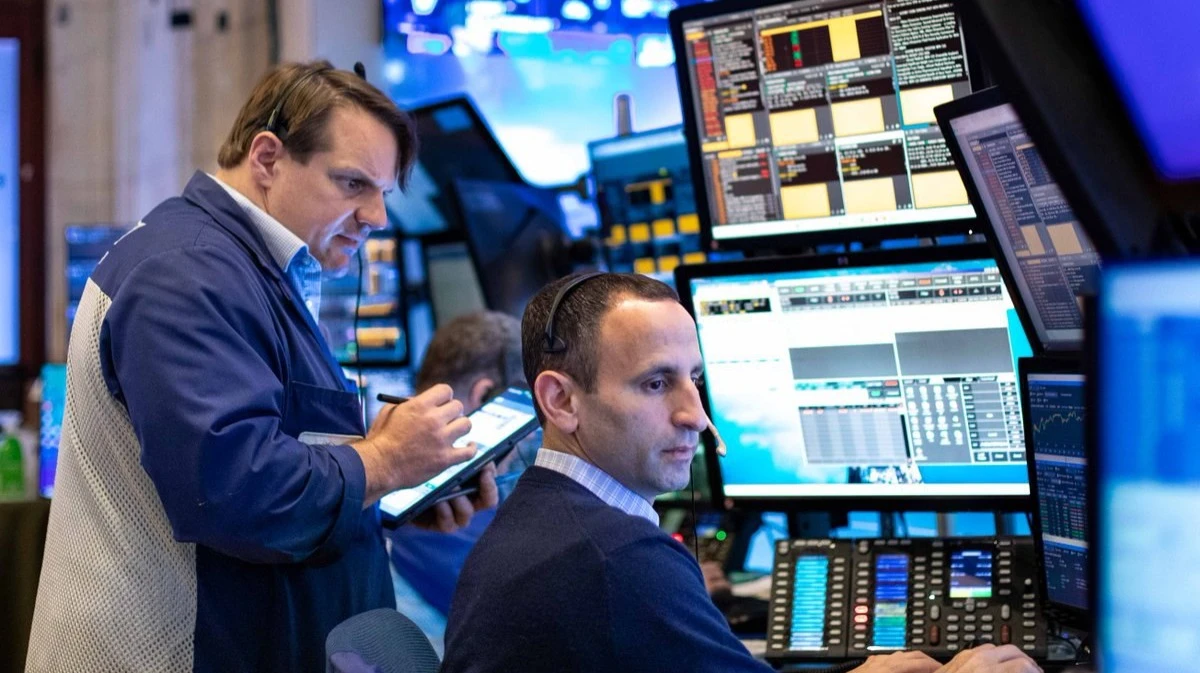
The global sell-off in AI company stocks is slowing down after the Nasdaq's worst month in more than a year / Photo: X / NYSE
Investors are trying to start November on a positive note following a sharp sell-off in the artificial intelligence sector: Nasdaq 100 futures rose 0.6% ahead of the main session, while the broad-market S&P 500 index rose 0.3%. Stocks are being supported by a more than 4% drop in oil prices amid hopes for diplomatic progress in resolving the conflict in the Middle East. How is Wall Street currently assessing the situation, and what advice are they giving investors?
What Analysts Are Saying
— “Now is not the time to panic, sell shares in tech sector leaders, and hide in a bunker. No matter how painful this week has been, the fundamental signals regarding corporations’ adoption of AI are actually even stronger than they were a week ago,” said Dan Ives, a well-known tech optimist and partner at Yorkville Ives. His opinion was published by Yahoo Finance. Nevertheless, tech companies’ fundraising in the debt market, secondary offerings, and other similar measures intensified selling pressure on the sector last week, he added.
— “We believe it’s time to cautiously return [to risky assets],” the Financial Times quotes Barclays’ global head of research, Ajay Rajadhyaksha, as saying. The main question now is whether the recent declines in the AI market are the first signs of an impending crash, he added, noting that “demand for computing power continues to outpace supply,” and “corporate earnings, on the whole, remain strong.”
— “The rebound looks relatively modest against the backdrop of Friday’s sell-off, so I wouldn’t interpret it as a convincing signal to buy on the dip just yet,” ING Chief Investment Strategist Simon Wiersma told Bloomberg. — “There remains enough uncertainty surrounding AI investments, interest rates, and geopolitics for investors to remain cautious.”
— “The sell-off we saw on Friday is disconnected from the fundamental picture,” Ekaterina Bigos, senior market strategist at BNP Paribas Asset Management, told the FT. She added that investors are being cautious ahead of this week’s U.S. midterm elections, and that relatively low liquidity in the markets is amplifying price volatility.
— “Investor sentiment remains fragile, and we expect volatility to persist throughout the earnings season,” noted Rashab Amin, a strategist at Allspring Global Investments. According to him, the market is shifting from encouraging spending to demanding a return on investment. “Investors increasingly want to see how costs translate into revenue, profitability, and, ultimately, profits... The bar for further growth has likely been raised,” Amin added.
— “Recent market turmoil has somewhat dispelled the illusion of infallibility in the artificial intelligence sector,” said Howard Marks, co-chairman of Oaktree Capital Management, in an interview with Bloomberg TV. The billionaire, famous for his “memos,” warned as early as last year that signs of a bubble were emerging in the market. According to him, the enthusiasm surrounding AI in recent years has led to a lowering of standards, but now investors have finally begun to show less tolerance for technology companies whose core businesses are seeing slower growth amid an unprecedented surge in AI investment. “I think people are now saying, ‘Wait a minute, let’s be a little more level-headed, let’s be a little more skeptical.’ That’s great,” Marks noted.
— “There is a gap between the expectations of AI companies and the pace at which businesses are able to adopt this technology,” Capital Group Vice Chair Jodi Johnson told Bloomberg. “We’re seeing this reflected in the current market reaction: perhaps things aren’t happening as quickly as everyone thought, or the return on investment isn’t yet entirely clear,” she noted. Markets are beginning to seriously worry about the scale of capital being raised, as well as whether there will be enough appetite in both the stock and bond markets for the full volume of future offerings needed to finance these expenses, she added.
— “I just don’t see any fundamental problems with trading AI stocks. The technical picture is a different story,” said Warren Pace, a strategist at 3Fourteen Research, on Friday during an appearance on CNBC’s “Closing Bell Overtime.”

This article was AI-translated and verified by a human editor