Jefferies names unexpected beneficiaries of the popularity of weight-loss drugs

Airlines will receive bonuses from slimming passengers / Photo: mikeledray / Shutterstock.com
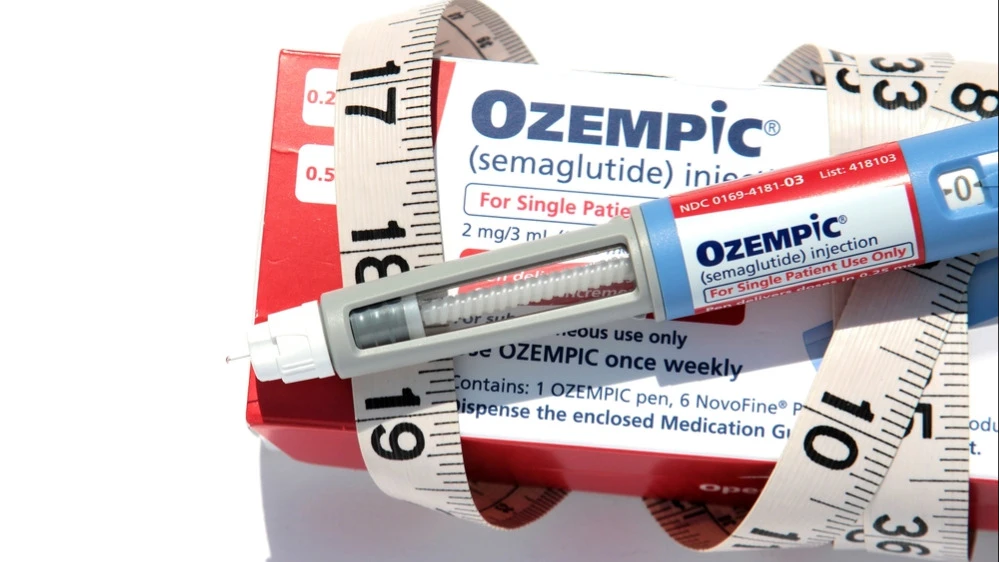
Thanks to best-selling obesity drugs like Ozempic and Wegovy from Novo Nordisk or Zepbound from Eli Lilly, U.S. airlines could save millions of dollars on jet fuel, Bloomberg reports. Previously, for the sake of reducing the weight of airplanes, carriers excluded olives from salads, refused magazines and replaced the seats with ultra-thin. Now it is possible to achieve this without compromising on the quality of service, the agency notes.
The four largest U.S. airlines, including United Airlines and Delta Air Lines, will spend a combined $38.6 billion on jet fuel this year. Reducing average passenger weight could reduce those costs by $580 million, according to a group of analysts led by Sheila Kayaoglu of Jefferies. "The advent of the [weight-loss] drug in tablet form and the decline in obesity rates paves the way for even more widespread use," the study said.
According to analysts' calculations, if passengers lose an average of 10% of their weight, it will lead to a 1.5% reduction in fuel consumption and increase airlines' earnings per share by 4%. At the same time, the Jefferies team clarified that their estimate does not take into account possible losses in carrier revenue from the sale of snacks.
Context
Danish pharma giant Novo Nordisk's slimming agent Wegovy, which previously achieved outstanding commercial success in injectable form, is now available in tablet form. This is the first GLP-1 class weight loss drug approved in the U.S. The U.S. pharma giant Eli Lilly is still lagging behind: its tablet weight loss drug is still undergoing trials.
For the third year in a row, the U.S. has seen a decline in adult obesity rates, while the number of Americans taking weight-loss drugs has doubled, Bloomberg reports.
This article was AI-translated and verified by a human editor