The Dow soared 3% following the Democrats' election victory: this is its best gain in 1.5 years
Oil prices fell this week at the fastest pace in more than six years


Photo: Unsplash/Jon Sailer
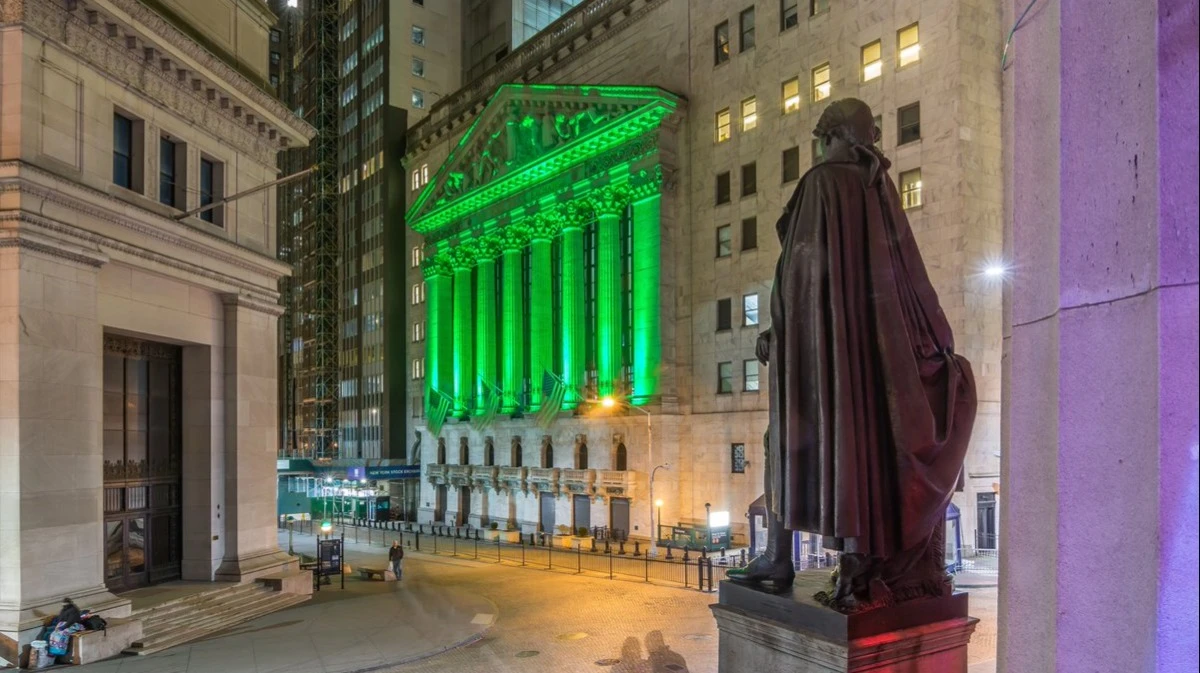
The Dow Jones Industrial Average, the U.S. stock market’s “blue-chip” index, rose 3% at the close of trading on November 4 — after the Democratic Party secured majorities in the U.S. House of Representatives and Senate as a result of the midterm elections. The index posted its best one-day gain since April 9, 2025, when U.S. President Donald Trump announced a pause in tariffs, Barron’s noted. The Dow also posted its best post-election performance since 1982, the publication added.
How the market performed
The S&P 500 broad-market index rose 1.6% (its strongest gain in three months), while the tech-heavy Nasdaq Composite gained 1.4% and the Nasdaq 100 rose 0.9%. The CBOE Volatility Index (VIX), known as the “Wall Street fear index,” on the other hand, plummeted 20%, also marking its sharpest one-day drop since April 9, 2025, according to MarketWatch.
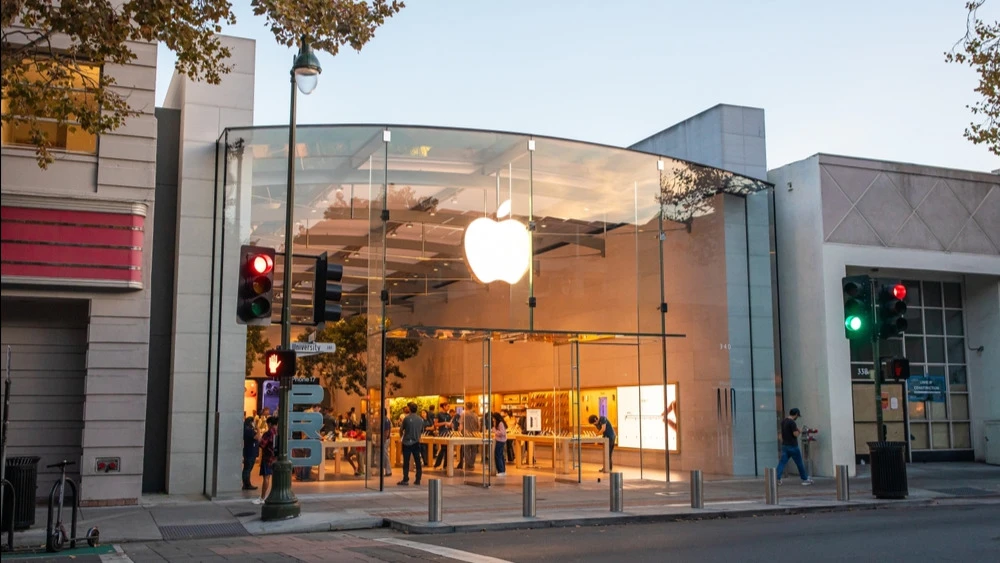
Microsoft shares rose 6.7%, setting a new record. Apple shares rose 5.3%—also reaching a new all-time high. Amazon shares soared 6.1%, Alphabet’s rose 3.2%, and Meta’s gained 1.4%. Among the “Magnificent Seven,” Tesla shares fell 3.3% and Nvidia shares dropped 3.1%. Nvidia fell along with other chipmakers as investors worry about obstacles to the development of artificial intelligence infrastructure that Democrats might create—specifically, restrictions on the construction of data centers, Barron’s noted. The Philadelphia Semiconductor Index lost 3.1%: Sandisk shares plummeted 7.9%, and Micron shares fell 7%. Shares of cloud-computing providers also plummeted: Nebius fell 6.7%, and CoreWeave dropped nearly 10%.
The election results have clearly put pressure on stocks related to data center construction, but investors may be overreacting: a Democratic majority in Congress will merely “slow down new projects,” said Paisley Nardini, head of investment strategy at Tema ETF, in an interview with Barron’s. The problem is that the rally may also be overblown, she believes: “The markets are rising much more sharply than they should, given that 90% of what happened last night was expected, and the 10% of new information should be viewed as bearish.”
The price of Brent crude fell 8.7% over the course of the day to $94.62 per barrel. This is the lowest closing price since August 31, according to MarketWatch. Over the three trading days this week, the commodity lost nearly 20%—the largest decline for such a period since April 22, 2020, the publication reports. The Democrats’ election victory has bolstered investors’ hopes for an end to the U.S. war with Iran.
The dollar had its worst day in two months, according to Bloomberg. At the same time, gold posted its best gain in three months: November futures jumped 3.4% and surpassed $4,000 per troy ounce, MarketWatch reports. Gold prices are denominated in dollars, and a decline in the U.S. currency makes the precious metal more attractive to foreign investors. Furthermore, since gold does not generate interest income, it appears more attractive when bond yields decline. U.S. Treasury yields did indeed fall on Wednesday.
What Analysts Are Saying
Investors appear unfazed by political instability, banking on the fact that the main drivers of U.S. economic growth—from consumer spending to the AI boom—will remain intact, according to Bloomberg. The standoff between the Republican president and the Democratic-majority Congress could place greater limits on further increases in budget spending and ease pressure on the bond market, which would support stocks, the agency believes.
“Historically, markets have performed better when no single party can pass legislation solely with the votes of its own supporters. This situation has largely supported stock prices,” noted Jason Pride, head of investment strategy at Glenmede, in a Bloomberg report.
Increased congressional oversight will not necessarily disrupt the AI investment cycle, as the underlying demand remains robust, according to Ulrike Hoffmann-Burchardi, Chief Investment Officer for the Americas and Global Head of Equities at UBS Global Wealth Management, as quoted by Bloomberg. “Yes, potential concerns about AI regulation are high, but in reality, markets hate uncertainty, and now that the election is behind us, we’re seeing buyers step up across the market,” she said.
Investors can expect a rally in U.S. stocks toward the end of 2026: the election removes a source of uncertainty, corporate earnings remain strong, and investors’ underweight positions leave room for a resumption of buying, Bloomberg reported, citing Scott Rubner, head of equity and derivatives strategy at Citadel Securities.
This article was AI-translated and verified by a human editor