Kazakhstan's Sovereign Wealth Fund Prepares to Borrow on the International Debt Market — Bloomberg
A Kazakhstani state fund plans to raise capital to finance strategic projects of its portfolio companies


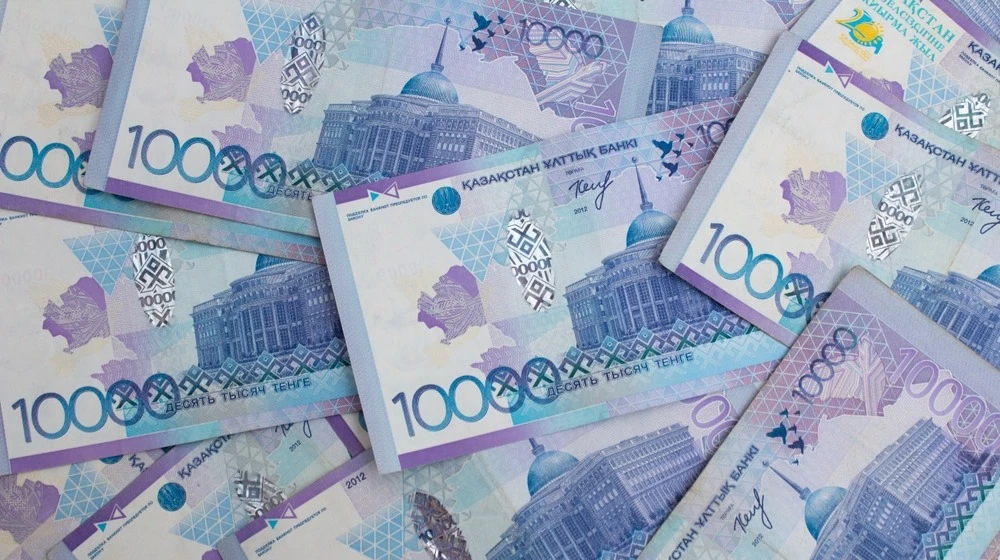
This year alone, the Samruk-Kazyna Fund will allocate $11.5 billion to investment projects / Photo: Stock Photos 2000 / Shutterstock.com
Kazakhstan's sovereign wealth fund, Samruk-Kazyna, is gauging potential investor interest as it prepares to step up its issuance of international bonds, Bloomberg reports, citing sources.
Fund representatives plan to meet with fund managers in London in early September and organize conference calls with investors from Europe, the Middle East, and the U.S., sources told the agency. The purpose of the meetings is to present the fund and discuss plans for future debt issuances. According to sources, potential deals include the issuance of benchmark dollar-denominated bonds in September. The proceeds will be used to refinance $500 million in outstanding bonds, sources said regarding the fund’s plans.
"Samruk-Kazyna" issues international bonds on an irregular basis: the fund's only outstanding dollar-denominated issue matures in October. A fund representative told Bloomberg that Samruk-Kazyna intends to raise capital in international markets to finance strategic projects of its portfolio companies.
In 2026, the fund plans to allocate 5.3 trillion tenge ($11.5 billion) to investment projects—more than double the amount from the previous year. In April, Samruk-Kazyna launched its first bond issue denominated in yuan. According to sources who spoke with Bloomberg, the fund also aims to encourage more of its portfolio companies to enter the bond market. Several companies owned by Samruk-Kazyna have already borrowed on foreign markets in recent months. For example, the national gas company QazaqGaz issued $700 million in 10-year bonds in April, and Kazakhstan’s railway operator raised $1 billion that same month.
Context
Last year, Fitch Ratings affirmed Samruk-Kazyna’s credit rating at BBB, noting that the fund’s portfolio companies provide a stable stream of dividends. The agency also noted that, as of the end of 2024, 83% of the fund’s financing came from the government at preferential rates.
The Kazakh government is currently considering the possibility of issuing so-called panda bonds—bonds denominated in yuan—Bloomberg reported in early August, citing sources. According to them, an issuance of approximately $500 million could take place in September. In May, Kazakhstan, Central Asia’s largest oil producer, had already issued its first panda bonds worth 3.4 billion yuan ($500 million) with a three-year maturity and an annual interest rate of 1.9%.

This article was AI-translated and verified by a human editor