Losses aren't so easy to recoup: Why aren't airlines rushing to lower ticket prices?

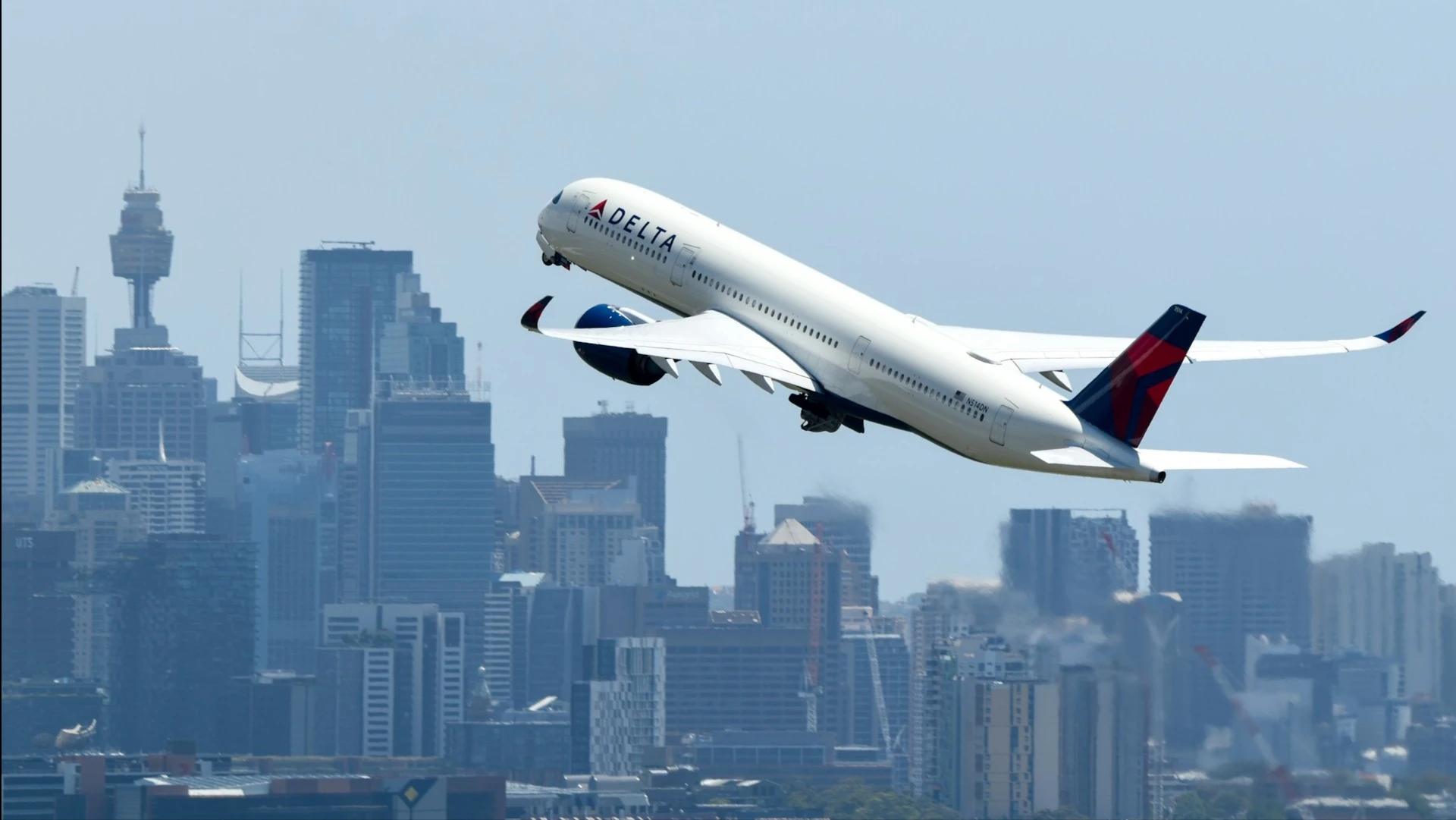
Delta is the largest U.S. airline by market capitalization / Photo: Unsplash/David Syphers
Airlines could save billions of dollars on jet fuel after an interim peace agreement between the U.S. and Iran drove down oil prices. But that doesn’t mean passengers will be able to buy cheaper tickets anytime soon, Reuters notes: airlines are in no hurry to increase the number of flights and seats just yet, and it won’t be easy to recoup the losses they’ve already incurred.
What's Happening in the U.S. Market
In the U.S. market, ticket prices are rising more slowly than jet fuel costs, while the number of seats on domestic flights is increasing at a modest pace, according to Reuters. This allows airlines to use the drop in fuel costs to restore profitability rather than to lower prices, the agency notes. Spot prices for jet fuel in the U.S. stood at $2.85 per gallon on June 17, down sharply from an early April peak of $4.88. This decline will reduce the U.S. airline industry’s annual fuel costs by more than $40 billion, according to Reuters calculations.
Airlines were only partially able to pass on rising fuel costs to passengers: they not only raised ticket prices but also introduced or increased baggage fees and reduced flight schedules. But industry data shows that from January through May, jet fuel prices rose three times faster than airfare, according to Reuters. According to Deutsche Bank’s estimates, U.S. carriers will be able to recoup only about 60 cents for every additional dollar spent on fuel through fare increases. Nationwide, this amounts to $14.4 billion in additional revenue from higher ticket prices, compared with $24.1 billion in additional fuel costs.
Alaska Air said it would offset about one-third of the increase in fuel costs, while Delta Air Lines, United Airlines, and American Airlines estimated that they would recoup approximately 40–50% of those costs in the second quarter, according to Reuters. JetBlue Airways and Frontier Group expect to be able to offset less than half, the agency reports. United CEO Scott Kirby told Reuters that his airline is close to offsetting the spike in fuel costs through pricing: “We are on track to recoup 100% by the end of the year.”
Data from Raymond James shows that, as of June 8, average fares for domestic flights booked one week before departure were 34.1% higher than a year earlier.
What's Happening in Other Countries
Outside the U.S., the decline in airfares is likely to be uneven, according to Reuters. Lower oil prices will not immediately affect the cost of jet fuel, and unless jet fuel prices return to their levels at the start of the year, airlines will most likely hold fares steady or raise them where demand allows, Dudley Shanley, head of aviation and travel research at Dublin-based Goodbody, told the agency.
A divide may emerge in Europe. Fares on long-haul routes are more likely to fall, as airlines have been more successful in passing on rising fuel costs to passengers on these routes, RBC analyst Ruiari Cullinan told Reuters. Prices on short-haul routes may prove more stable if a peace agreement between the U.S. and Iran supports bookings and demand, he noted.
In Asia, China’s three largest airlines are unable to raise prices due to lower aircraft load factors, according to HSBC analysts. Hong Kong-based Cathay Pacific is in a more favorable position: higher fares, revenue from cargo transport, and demand in the premium segment can offset fuel costs.
Due to the war, air travel in the Middle East has been disrupted more severely than in other markets. Some airlines may use promotional offers to bring back passenger traffic, aviation analyst John Strickland told Reuters. However, he notes that fuel remains too expensive to allow for large-scale discounts. According to him, carriers from the United Arab Emirates may take a more aggressive approach and receive stronger government support.
How much are airlines losing?
The extent to which airlines will benefit from falling fuel prices will depend on how long prices remain low, according to Reuters. Fuel costs reflect purchases made over a period of time, rather than spot prices, and even after the recent decline, jet fuel is still 54% more expensive than a year ago, according to data from the International Air Transport Association (IATA) cited by Reuters. This leaves airlines with little incentive to lower fares as they try to restore profitability, the agency explains.
If jet fuel costs 5% less than the currently projected price of approximately $3 per gallon in 2027, this would significantly boost airline profits, according to Jefferies. In that case, projected earnings per share for Delta, Southwest, and United could rise by 10–15%, and for American Airlines by up to 50%, according to Reuters.
Reuters believes there is no risk of a new price war in the U.S. market. Delays in aircraft deliveries, limited airport capacity, and the weakening of low-cost carriers are limiting the risk of a widespread price war in the U.S. domestic market. According to industry data, the number of seats on U.S. domestic flights in the third quarter is expected to grow by only 0.4% year-over-year—compared with the 4.6% growth that had been anticipated before the latest escalation of tensions in the Middle East.
This article was AI-translated and verified by a human editor