Aviation fuel prices have plummeted amid the de-escalation in the Middle East
Airlines had previously warned that, unless fuel prices drop, passengers can expect a large-scale reduction in flights this winter

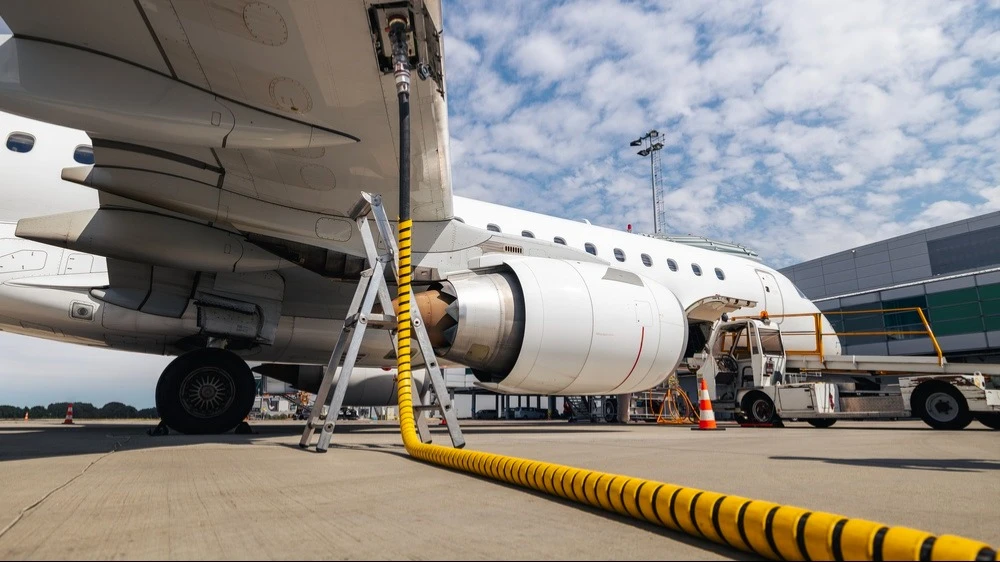
Fuel shortages have forced airlines to cancel thousands of flights during the peak vacation season / Photo: Shutterstock.com
Aviation fuel prices have fallen amid prospects for a resumption of oil exports from Gulf countries, according to the Financial Times. This is good news for airlines, which have faced numerous flight cancellations and additional costs due to a shortage of jet fuel.
Details
According to the independent pricing agency Argus Media, the price of jet fuel in northwestern Europe fell to $957 per metric ton this week. That is nearly 50% cheaper than in early April, when prices peaked.
Aviation fuel prices in Singapore have fallen to their lowest level since the start of the war in Iran, while prices on the U.S. Gulf Coast have fallen to their lowest level since March.
Jet fuel prices are falling amid a truce between the U.S. and Iran, which raises the prospect of a resumption of energy shipments through the Strait of Hormuz, the FT notes. Traders warn that the resumption of Middle Eastern supplies could temporarily create a fuel surplus in the market, as some airlines have already cut back on flights and refiners have increased production. According to one of the publication’s sources, the market expects that shipments delayed by the war could arrive in 30 days.
Context
After the closure of the Strait of Hormuz—a key route for the export of oil and petroleum products from the Persian Gulf—jet fuel prices more than doubled. In April, the International Energy Agency (IEA) warned that jet fuel reserves in Europe were “enough for about six weeks.”
The potential depletion of fuel reserves led to the cancellation of numerous flights during the peak vacation season for airlines. The European airline Lufthansa canceled 20,000 flights between May and October, while the American airline Delta Air Lines reduced its flight volume by 3.5%. Airline executives warned that if fuel prices remain high, flight reductions will be even more extensive this winter, and the industry will face layoffs.
In response to the U.S. shortage, Nigeria increased its exports of jet fuel to Europe and Asia, while refineries around the world ramped up production. According to the IEA, this helped offset about 60% of the lost Middle Eastern jet fuel shipments to Europe. A decline in demand from China also helped avert an acute shortage, Eugene Lindell, an analyst at the consulting firm FGE NexantECA, told the FT. According to him, weak domestic demand and a reduction in oil imports to China “effectively balanced the market.”
Some airlines have already withdrawn their earlier warnings about fuel shortages. British Airways and Air France have stated that they have sufficient supplies to last through the entire summer season. Nevertheless, the industry as a whole still expects fuel costs to rise by $100 billion this year, the FT notes.
Despite the drop in prices, analysts warn that the risk of further supply disruptions remains, especially in Europe. According to Ammar Khan of Argus Media, jet fuel stocks in Europe remain “severely depleted,” and producers are likely to direct fuel to the tight European market rather than to replenish reserves.
This article was AI-translated and verified by a human editor