Airline stocks soared on news of a peace deal between the U.S. and Iran

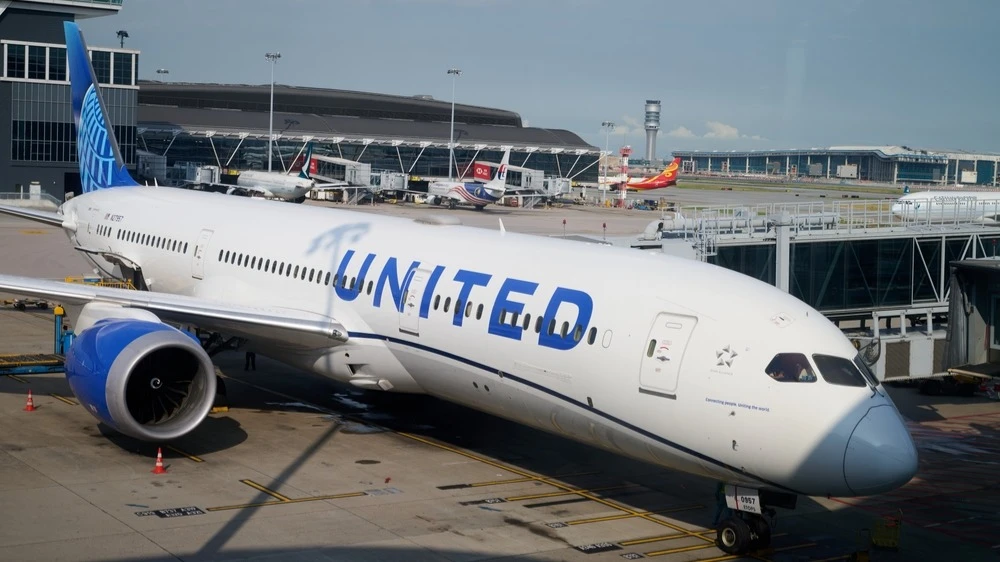
Shares of global airlines have surged / Photo: Ursidae / Shutterstock
Shares of the world’s largest airlines and cruise operators surged following announcements by the U.S. and Iran that they had reached a peace agreement. The agreement is scheduled to be signed this Friday, June 19. Earlier this spring, airlines faced a sharp rise in costs after the war in the Middle East caused jet fuel prices to nearly double.
Details
During trading on Monday, June 15, shares of the U.S. airline United Airlines jumped 4.4%, while Delta Air Lines shares rose 1.6%. Shares of European airlines also reacted to the news of a peace agreement in the Middle East. Shares of Germany’s Lufthansa rose 4.5%, while Europe’s largest low-cost carrier, Ryanair, gained 4.3%. Shares of the International Consolidated Airlines Group (owner of British Airways, Aer Lingus, and Iberia) rose by more than 3%. Shares of European giant Airbus rose by 4.2%. Shares of Air France rose 4.4%, Hungarian airline Wizz Air rose 5%, and EasyJet rose 0.6%.
Similar optimism was seen in cruise line stocks, which are heavily dependent on fuel oil prices: for example, Norwegian Cruise Line’s shares soared by 4.4%, and Royal Caribbean’s by 6%.
Travel demand remained high despite the war, allowing some carriers to raise ticket prices and thereby largely offset the impact of sharply rising fuel costs, according to Barron’s. Against this backdrop, the U.S. Global JETS exchange-traded fund, which tracks the performance of the airline industry, has gained 20% since the beginning of April, as of Friday’s market close.
What about fuel prices?
Against the backdrop of the war in the Middle East, jet fuel prices—one of the airlines’ main expenses—have nearly doubled. However, in recent weeks, amid falling energy prices, global jet fuel prices have also been declining, though they remain significantly higher than last year’s levels. According to data from the International Air Transport Association (IATA), as of the week ending June 12, the average price of a ton of jet fuel fell to $138.86 per barrel. Last week, the global average price of jet fuel fell by 5.1% compared to the previous week, and by 11.9% compared to May figures. However, despite the current decline, the cost of kerosene for airlines remains 54.2% higher than during the same period last year, according to IATA data.
It will take some time for jet fuel prices to drop significantly, but if the interim agreement between the U.S. and Iran evolves into a permanent peace treaty, the outlook for airline stocks looks favorable, notes Barron’s.
Context
Due to a sharp rise in fuel costs, some global airlines have scaled back their flight schedules and raised ticket prices in recent months. According to data from the analytics firm Cirium, global airlines have removed more than 75,000 flights (over 9.3 million passenger seats) from their schedules for the summer of 2026 alone. American carriers have been hit the hardest, as—unlike their European counterparts—they did not use financial derivatives to hedge fuel costs.
In addition, due to rising costs and the breakdown of negotiations with the U.S. government over financial aid, Spirit Airlines, a pioneer in budget air travel, ceased operations in early May.
Last week, it was reported that airlines are also preparing for a possible reduction in their winter schedules: tens of thousands of flights could be canceled and planes grounded if fuel prices do not fall, the Financial Times reported. Even before news of the agreement between the U.S. and Iran, analysts had warned that the worsening economic situation, combined with rising prices, could cause passengers to fly less frequently during the very months that are traditionally considered the slowest for the industry.
This article was AI-translated and verified by a human editor