Main by morning: oil soars due to escalation in the Middle East, UAE bourses closed

Brent jumped more than 13% in early trading on March 2, with markets focused on threats to shipping through the Strait of Hormuz, through which about 25% of the world's oil and much of its LNG passes / Photo: MEDIAIMAG / Shutterstock
Brent oil jumped more than 13%, WTI - almost 10% due to the threat to shipping through the Strait of Hormuz off the coast of Iran, through which about 25% of the world's oil and a significant part of LNG passes. Goldman Sachs warns that European prices could rise by 130% if gas transit through this crossing is halted for a month. These and other topics - in our review of key events for the morning of March 2.
Oil soars amid escalation in the Middle East
Oil futures rose sharply in the first minutes of trading on March 2 after US and Israeli strikes on Iran and Tehran's retaliatory attacks, Yahoo Finance reports. Brent jumped 13%, above $82 a barrel, while WTI was up nearly 10%, above $70. Gold added more than 2% as a defensive asset, while the dollar strengthened. The market is laying down risks to the region's supply and energy infrastructure.
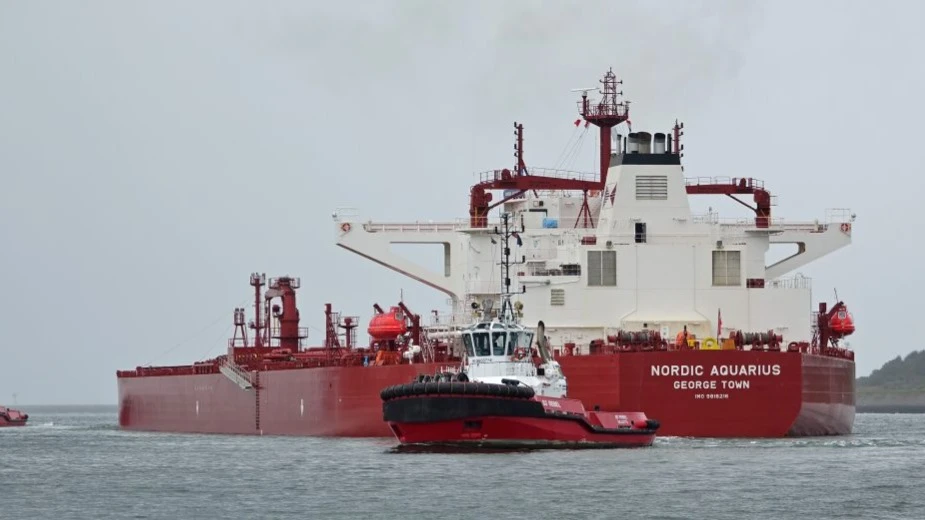
The key factor was the threat to shipping through the Strait of Hormuz, through which about a fifth of the world's oil (about 15 million barrels per day) passes. The strikes affected tankers, some companies suspended transportation, and traffic dropped sharply. Even without full closure of the strait, disruptions in traffic through this route could leave up to 8 million barrels per day out of the market and increase insurance and transportation costs, the portal points out.
UAE bourses to close for two days due to escalation in the region
UAE authorities announced the closure of Abu Dhabi and Dubai stock exchanges on March 2 and 3 to avoid market panic amid Iranian missile and drone attacks in response to U.S. and Israeli strikes, Bloomberg writes. The regulator said it would continue to monitor the situation and take additional measures if necessary.
The UAE markets are capitalized at about $1.1 trillion (19th in the world, 1.4% in the MSCI EM index, which tracks large- and mid-cap stocks in emerging markets). Analysts warn of risks to the real estate, tourism and banking sectors, including developers like Emaar. Closure of trading in the country is a rare measure, usually used only in exceptional cases, the agency notes.
Bitcoin falls below $67,000 amid conflict in the Middle East
Bitcoin has slipped below $67,000, losing about 1% over the past 24 hours, following volatility caused by U.S. and Israeli strikes on Iran and Tehran's retaliatory attacks, Yahoo Finance writes. Earlier in the weekend, the exchange rate fell to $63,255 before briefly rising above $68,000. Ethereum was down about 3% and was trading around $1950. Pressure on the market intensified amid falling U.S. stock futures and a spike in oil prices.
Analysts note that geopolitical sell-offs often create opportunities for a rebound, if not lasting economic consequences - the main risk remains oil and possible supply disruptions, the publication points out. Bitcoin has lost 23% since the start of the year and remains well below its October peak of $126,000. And even optimistic forecasts allow for a decline to $50,000 before a possible recovery in the second half of the year.
Goldman: gas in Europe could more than double in price if the Strait of Hormuz is closed
Gas prices in Europe and Asia almost do not take into account the geopolitical risk premium, but with the halt of shipping through the Strait of Hormuz for a month, quotations may rise by 130% - up to $25 per million British thermal units, according to analysts at Goldman Sachs. Their position is quoted by Bloomberg. Through the strait passes about a fifth of the world's LNG, mainly from Qatar, which makes it critical for the market.
If the outages last more than two months, European prices could exceed €100 per MWh, which would lead to a marked reduction in demand, Goldman Sachs warns. At the same time, the impact on the US market is expected to be limited: the country remains a major net exporter of LNG, and liquefaction capacity is already operating at near capacity.
What's in the markets
- Japan's broad Topix index was down 1.44 percent, while the Nikkei 225 was down 1.72 percent.
- Hong Kong's Hang Seng index was down 1.9%. Mainland China's CSI 300 index was up 0.35%.
- The Korean Stock Exchange is closed due to holidays.
- Australia's S&P/ASX 200 was little changed.
- S&P 500 futures were down 1.03%, Nasdaq Composite futures were down 1.27% and Dow Jones Industrial Average exchange-traded contracts were down 0.98%.
This article was AI-translated and verified by a human editor