McDonald’s Has Replaced Its U.S. Business Head Following Weak Sales in Its Largest Market
Consumers have become more cautious about spending due to gasoline prices and inflation expectations

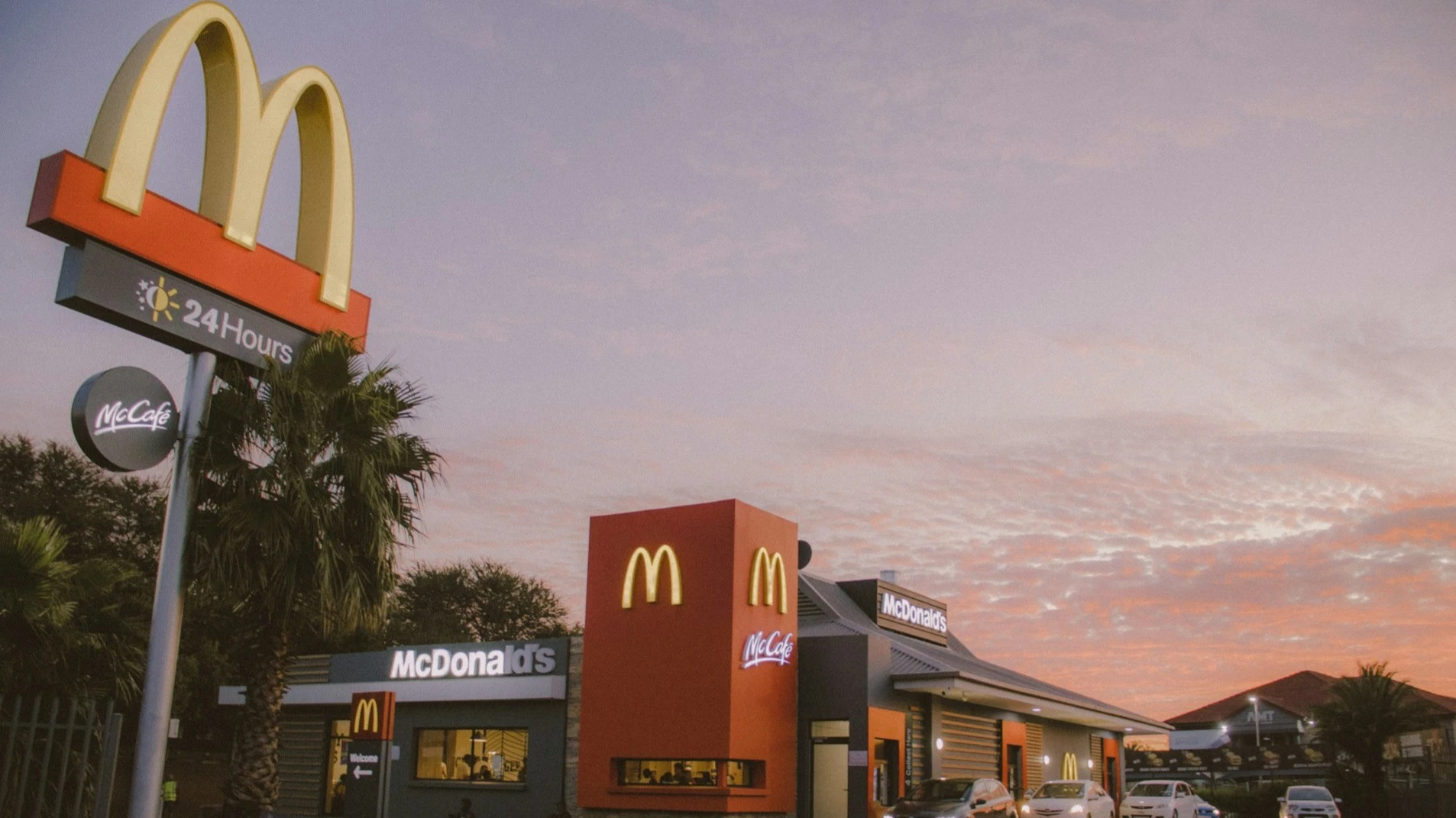
McDonald's sales in its home market were the lowest of the year / Photo: Unsplash/Boshoku
The McDonald’s fast-food chain has appointed a new president for its U.S. division after sales in the second quarter in its home market—the company’s largest—were the lowest since the beginning of 2025. The company has faced cautious consumer behavior, as people cut back on discretionary spending due to high gas prices and inflation fears, and the affordable offerings the fast-food brand had relied on failed to attract enough customers.
Details
On August 4, McDonald’s appointed Sky Anderson as president of its U.S. division. She has worked at the company for nearly 30 years and, until recently, served as chief operating officer of the U.S. business. She will succeed Joe Erlinger, who led the U.S. division for about seven years, according to Bloomberg.
“Although our strategy is working around the world, we see an opportunity to raise the bar in the U.S. and accelerate results in our largest market,” said McDonald’s CEO Chris Kempczinski (his remarks are quoted in a McDonald’s press release ).
McDonald's results for the second quarter of 2026 fell short of market expectations. Comparable sales in the U.S. rose 0.8% in the second quarter, while analysts surveyed by LSEG had expected growth of 1.06%, according to Reuters. According to Bloomberg, this is the weakest growth rate for the company’s U.S. business since early 2025. A year earlier, the figure stood at 2.5%.
The average check for customers at the chain’s restaurants increased due to higher-priced orders, but this effect was offset by a decline in the number of restaurant visits. Affordable dining programs—the revamped McValue platform, a menu featuring items under $3, and breakfast discounts—failed to attract enough low-income diners, Reuters reports. Rising prices for essentials and fuel have left this group of consumers with less disposable income to spend on eating out, the publication reports.
Despite weak sales in the U.S., McDonald’s adjusted earnings per share rose 6% from a year ago to $3.38, exceeding analysts’ average forecast of $3.32, according to Reuters.
Growth in global comparable sales slowed to less than half the rate of the previous year. In the international markets segment, which includes the largest European countries, the growth rate of comparable sales decreased by a factor of 2.7 compared to the previous year.
What other challenges has McDonald’s faced?
In addition to the challenging macroeconomic environment, McDonald’s is also facing difficulties of a different nature. In the second quarter, its U.S. restaurants launched too many new products at once, which slowed service and reduced customer satisfaction, according to Bloomberg.
In addition, marketing campaigns—including promotions tied to the FIFA World Cup—fell short of expectations. Another challenge was the rollout of the new pricing strategy: fewer than 65% of McDonald’s restaurants in the U.S. were selling items priced at $3 or less at the company’s recommended prices, which meant that many customers were unaware of the new value-priced offerings.
"We don't have a problem with our strategy. We simply didn't deliver the level of performance that was needed in the second quarter," Kempchinski said on August 4 during a conference call with analysts (as quoted by Bloomberg).
What Analysts Are Saying
McDonald's shares rose by about 1% during trading on August 4. Since the beginning of 2026, they have lost 12.6% of their value. By comparison, shares of Yum Brands, which owns KFC, lost only 1.1% over the same period.
Sky Anderson’s appointment as president of the U.S. division signals management’s dissatisfaction with the business’s performance in the U.S., CNBC reports, citing Citi’s analysis. According to the bank, the company may accelerate initiatives to boost the division’s revenue and profits, including additional investments in restaurants and the expansion of a program to sell McDonald’s-owned restaurants under franchise agreements.
Citi analysts believe that the quarterly results could provide short-term support for McDonald’s shares. “Same-store sales in the U.S. and international markets were in line with expectations and should reassure investors that the company’s efforts to grow revenue can overcome the ongoing inflationary pressure on its core customer base,” CNBC quotes Citi analyst John Tower as saying.
Analysts at Baird are maintaining a neutral rating on the company’s stock. Analyst David Tarantino believes that pressure on low- and middle-income consumers will continue to weigh on McDonald’s results, and uncertainty surrounding future free cash flow will persist due to a potential increase in capital expenditures and the investment cycle, according to CNBC.
The most common analyst recommendation for McDonald's stock is to buy: the stock has 22 "Buy" and "Overweight" ratings, according to MarketWatch. Another 14 recommend holding, and one recommends selling.
This article was AI-translated and verified by a human editor