Meta's Muse agent poses a threat to Apple's revenue, several strategists have warned

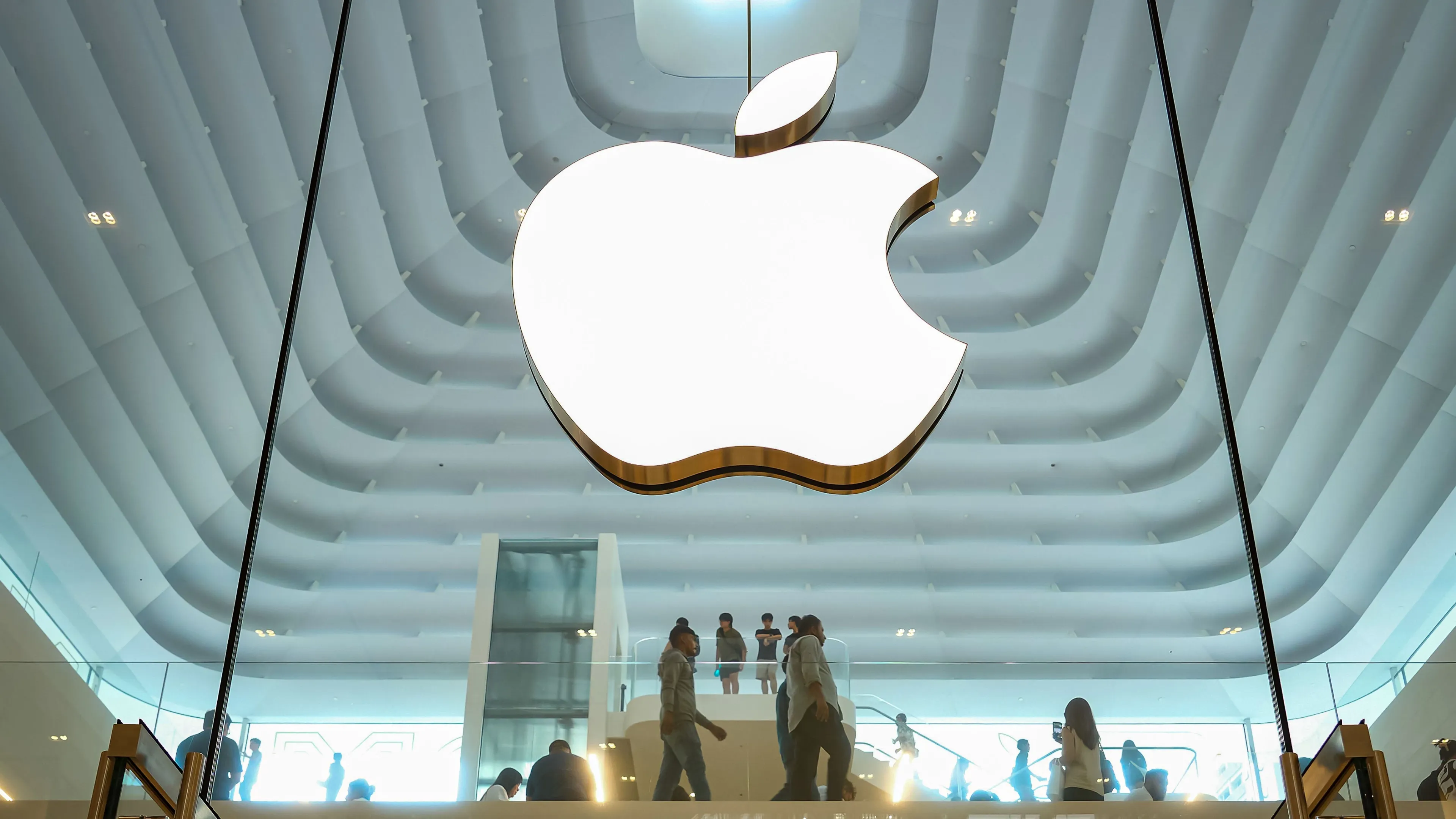
Agent-based AI can optimize subscriptions: users will spend less on apps in the App Store / Photo: jamesteohart / Shutterstock.com
Meta’s new consumer AI agent, Muse, has the potential to significantly disrupt the online subscription market, which is a major source of revenue for Apple, according to CNBC. The proliferation of assistants like Muse could change how people use the internet: users can now shop, search for information, and perform other tasks without leaving the chatbot. All of this threatens to disrupt Apple’s established revenue streams, as the company derives about 30% of its revenue from services. Here’s what Wall Street analysts are saying:
— According to Needham’s estimates, Apple stands to lose up to $10 billion. “Based on our calculations, the App Store accounted for 40% of Apple’s $123 billion in services revenue in fiscal year 2026. And if just 20% of App Store sales were to shift to Meta’s Muse Connectors platform—which charges zero commission—Apple’s revenue would drop by $10 billion, and its EBITDA by $7.5 billion. This would jeopardize the company’s growth rate and its stock multiple, as the market values recurring revenue streams more highly than the hardware business,” CNBC quotes a note from Needham analyst Laura Martin as saying.
Muse Connectors is a platform for integrating Meta's AI agent via an API into third-party applications and services. This official software-level integration enables Muse to perform actions within applications on behalf of the user.
According to Martin, Apple also risks facing an exodus of developers if it does not improve their financial terms: Meta stated that it received more than 1,500 applications within 168 hours of launching Muse Connectors.
— Vamsi Mohan of Bank of America also saw risks for Apple. “Whoever the agent chooses becomes the seller, and the agent’s owner earns revenue from directing the user to the seller—revenue that previously went to operating systems, search services, and app stores,” Barron’s quotes the analyst as saying.
The company is working on its own AI innovations, including Siri, to keep users within its ecosystem. But it needs to move in this direction “fast enough to keep up with competitors in the race for revenue tied to user intent,” Mohan warned.
That said, Apple has an advantage when it comes to deploying agents that access consumer data. This is due to the high level of trust in the company, the strategist notes. If it releases its own agent, it will be easier for it to convince users to grant it access to their personal information, according to BofA.
— Another analyst at the bank—Tal Liani—pointed out yet another risk factor: AI assistants capable of analyzing online subscriptions can save consumers significant amounts of money—and, consequently, deprive market players of that revenue. “Agents that actively review subscriptions and recommend canceling them can make it easier for consumers and small businesses to opt out of low-engagement software products that they might have simply forgotten about in the past,” the strategist wrote. “If consumers and small businesses start using personal AI agents en masse, this could increase customer churn.”
American adults, on average, waste $252 a year—or $21 a month—on unused subscriptions, according to the technology publication CNET.
— On October 1, Morgan Stanley analyst Eric Woodring lowered his price target for Apple shares from $360 to $355, Barron's reported. The new target implies a 7.5% increase from the most recent closing price. Among other things, Woodring also cited the threat posed by consumer AI agents: while still in its early stages, rapid adoption of these services would increase pressure on the company.
“We continue to monitor emerging risks related to alternative marketplaces, changes in conditions for developers, and the proliferation of platforms based on AI agents. Over time, these could disrupt the established App Store and search business models, as app discovery, distribution, and transactions could move outside the Apple ecosystem,” the analyst wrote.
This article was AI-translated and verified by a human editor