Oil prices jump as U.S. set to expand military presence in the Middle East

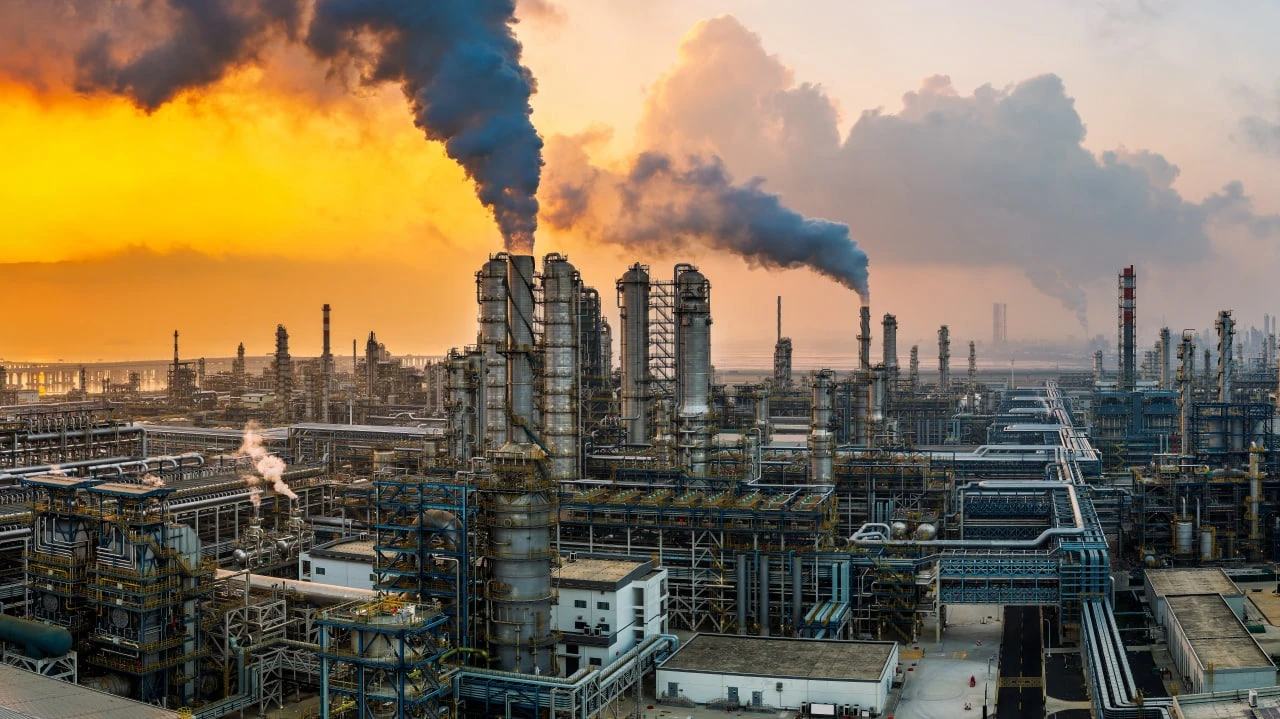
Photo: ABCDstock / Shutterstock.com
Oil prices surged on Thursday after the Wall Street Journal reported that unnamed U.S. officials had told the newspaper that the U.S. was sending a third aircraft carrier strike group to the Middle East. Futures for Brent, the international benchmark, jumped 4.5% to $102.50 per barrel. Contracts for U.S. West Texas Intermediate crude gained 3% to trade above $93 per barrel.
The USS Theodore Roosevelt will arrive in the region by the end of November, the Journal’s sources said. Washington will also deploy Marine Corps ships and up to 10,000 additional troops.
The increased presence could signal that the U.S. is preparing to expand military operations against Iran, CNBC noted. President Trump has told aides that he expects to resume bombing Iran after the congressional midterm election in November, the Journal’s sources said last week.
“The president I think is going to escalate after the midterms... The direction of travel is toward escalation,” Rapidan Energy CEO and former CIA officer Scott Modell told CNBC.
Context
Oil prices are rising even though crude flows from the Middle East have effectively recovered to prewar levels, CNBC notes. However, the recovery is fragile: at least three tankers have come under attack this week as they attempted to transit the Strait of Hormuz, as reported by maritime security agencies monitoring the region.
Fuel shipments from the region remain constrained. The world is facing major supply disruptions after Ukrainian strikes on Russian refineries have forced Moscow to ban diesel exports, while Iran and its Houthi allies have stepped up attacks on refineries in the Middle East.
As a result, U.S. diesel prices hit record highs last month. Trump had said he was considering a ban on exports of the fuel as well, but appeared to back away from the idea in more recent public comments, CNBC notes.
Meanwhile, Chinese refiners canceled several gasoline and jet fuel shipments planned for October, sources told Reuters. The move could be a sign that Beijing is trying to safeguard domestic supplies, Reuters wrote.