Microsoft is pulling out of the race for personal AI assistants. What’s behind this turnaround?
The company is refocusing Copilot on office tasks, effectively ceding the personal AI assistant segment to its competitors

Microsoft is consolidating its enterprise AI into a single application in an effort to compete with OpenAI, Anthropic, and Meta / Photo: gguy / Shutterstock
Microsoft is merging the consumer and business versions of its AI assistant, Copilot, into a single product for enterprise customers. The company is effectively ceding the saturated market for personal chatbots to its competitors—OpenAI, Anthropic, and Meta Platforms— according to Bloomberg.
Details
At an event in Seattle this week, Microsoft executives demonstrated a preview version of the Copilot AI assistant to several dozen business leaders and technology experts, according to Bloomberg. On September 25, the company announced the new version on its website.
The new assistant incorporates a separate version for home use and, in particular, borrows some of its design elements. At the same time, the company has abandoned a marketing strategy aimed at positioning it as a creator of personal AI, the agency notes.
"Integrating certain features from the consumer app has made Copilot significantly better in just a few months," noted Jacob Andreau, head of development for the unified Copilot app. He explained the merger by noting that users of business software have developed high expectations influenced by mobile apps. According to Andreou, typical Microsoft users enjoy tinkering with PowerPoint and Excel, and they’ll be more interested in “the full power of the capabilities” that Microsoft offers to enterprise users than in a simplified chat assistant.
The updated software allows users to edit Word or Excel documents directly within the Copilot app or in a browser tab. This resolves a long-standing issue that users had complained about: previously, the assistant had limited access to Microsoft Office software. In addition, Copilot now features a tab with a programming assistant that helps users create dashboards or automate tasks. The Copilot suite has also been joined by the always-available Scout assistant—it has been rebranded and is now called Autopilot.
Why Is This Important?
Microsoft expects that the Copilot update will encourage more Office 365 users to pay for advanced tools, according to CNBC.
As of the end of June, corporate customers had purchased more than 30 million Copilot subscriptions. Meanwhile, approximately 90 million users have purchased the M365 office suite, which includes the assistant’s most powerful features, according to Bloomberg. Instead of charging a subscription fee, as it does for most of its software (the commercial Microsoft 365 Copilot costs $30 per user per month), the company says customers will pay for the Cowork, Code, and Autopilot modules of the new app based on usage—similar to how they purchase other AI products.

Following the launch of ChatGPT, Microsoft bet that its own consumer assistant would be able to win over a new audience. But the task proved challenging: while OpenAI’s ChatGPT rapidly amassed a billion users and Google integrated its Gemini assistant into the vast Android ecosystem, relatively few people have taken advantage of Microsoft’s offer to set up a personal chatbot, Bloomberg notes.
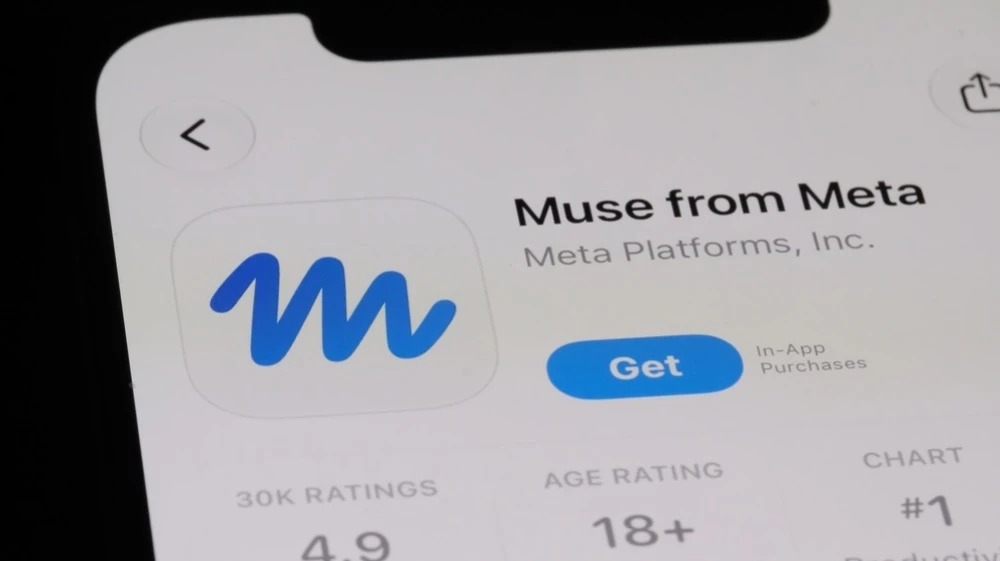
The success of Meta’s Muse assistant, which rapidly shot to the top of the app charts, has demonstrated people’s readiness for AI automation, Andreau and Charles Lamanna—who oversees Microsoft’s teams developing Copilot’s core features—said earlier this week. According to them, the opportunity for Microsoft lies in rolling out similar tools for office workers.
“We don’t intend to develop Copilot as a personal companion,” Lamanna said. This contrasts with the company’s previous stance—in 2025, Mustafa Suleiman, then head of Copilot development, presented Microsoft’s ambitions for the AI assistant exactly that way, speaking in front of a huge screen bearing the words “Your AI Companion,” as noted by Bloomberg. “That’s just not what people want from Microsoft. We help you get things done,” Lamanna added.
This article was AI-translated and verified by a human editor