Nasdaq has gone into an even deeper correction, 'Wall Street fear index' rises

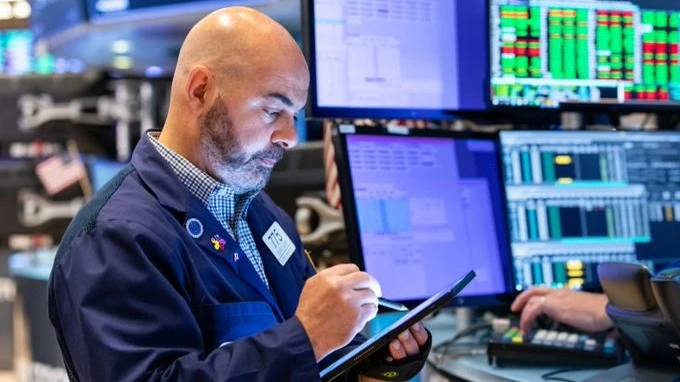
Photo: X / NYSE
The main U.S. stock indices began trading on March 27 with a fall - the extension of the deadline by U.S. President Donald Trump for Iran to resume navigation through the Strait of Hormuz failed to stabilize oil prices, states Reuters.
Details
May futures for Brent are up 2.5% against the previous close, to $110.66. Contracts for U.S. WTI crude oil are trading up 2.5% at $96.88 per barrel.
Against this background, the broad index of American shares S&P 500 in the first minutes of trading lost 0.67%, technological Nasdaq Composite, which entered the correction zone the day before - fell by another 0.81% (in the first half hour of the session its fall accelerated to a little more than 1%), the index of "blue chips" Dow Jones in the minus by 0.87%. Russell 2000 index of small and medium capitalization companies is falling by 0.6%.
The Wall Street Fear Index (VIX) jumped more than 9% to 30 points in pre-market trading - historically, such values are associated with corrections or downturns, Investing.com wrote. Situations in which the VIX rises above 20 are indicative of increased volatility in the markets. At the time of publication the VIX growth slowed down - the index was fixed at 29.69.
Context
Overall, global stock and bond markets experienced in March the largest cumulative decline since 2022, the Financial Times writes - the energy shock caused by the war with Iran left investors "no place to hide," the newspaper points out. For example, the MSCI All Country World index, which tracks developed and emerging market stocks, fell more than 7% in March. The broad index of global government and corporate bonds lost more than 3% over the same time - investors now factor in that central banks will likely have to raise interest rates to contain the inflationary impact of the war in the Middle East. And the traditional "60-40" portfolio of stocks and bonds is on track for its worst month since September 2022, the Financial Times notes, recalling that the previous cycle of global interest rate hikes crashed markets then.
In addition, fears of a possible further escalation of the conflict are reinforced by reports from The Wall Street Journal that Trump is considering sending more troops to the Middle East, Reuters notes. The day before, an Iranian official called Washinton's proposals to end the conflict "unilateral and unfair."
What the analysts are saying
"What's working [now] for investors? Nothing," remarked Raphael Tuyen, head of capital markets strategy at Tikehau Capital (quoted in the Financial Times). - What has materialized is indeed one of the worst situations imaginable. The market has been very difficult to manage over the last few weeks," he added.
"Today you try to fish from the bottom, and the next day you're in for another sell-off," Wang Yapei, a fund manager at Zijie Private Fund in Shanghai, commented to Reuters. - When there is uncertainty in the markets, you reduce assets to sleep well at night," he said.
"Words are not enough right now, so Trump's extension of the pause in strikes on energy facilities on Iran has failed to significantly lift sentiment [in markets]," Matt Britzman, senior equity analyst at Hargreaves Lansdown, noted. - Concrete evidence of progress is needed," he said (quoted by Reuters).
This article was AI-translated and verified by a human editor