US stocks collapsed amid rising bond yields. Is the growth exhausted?

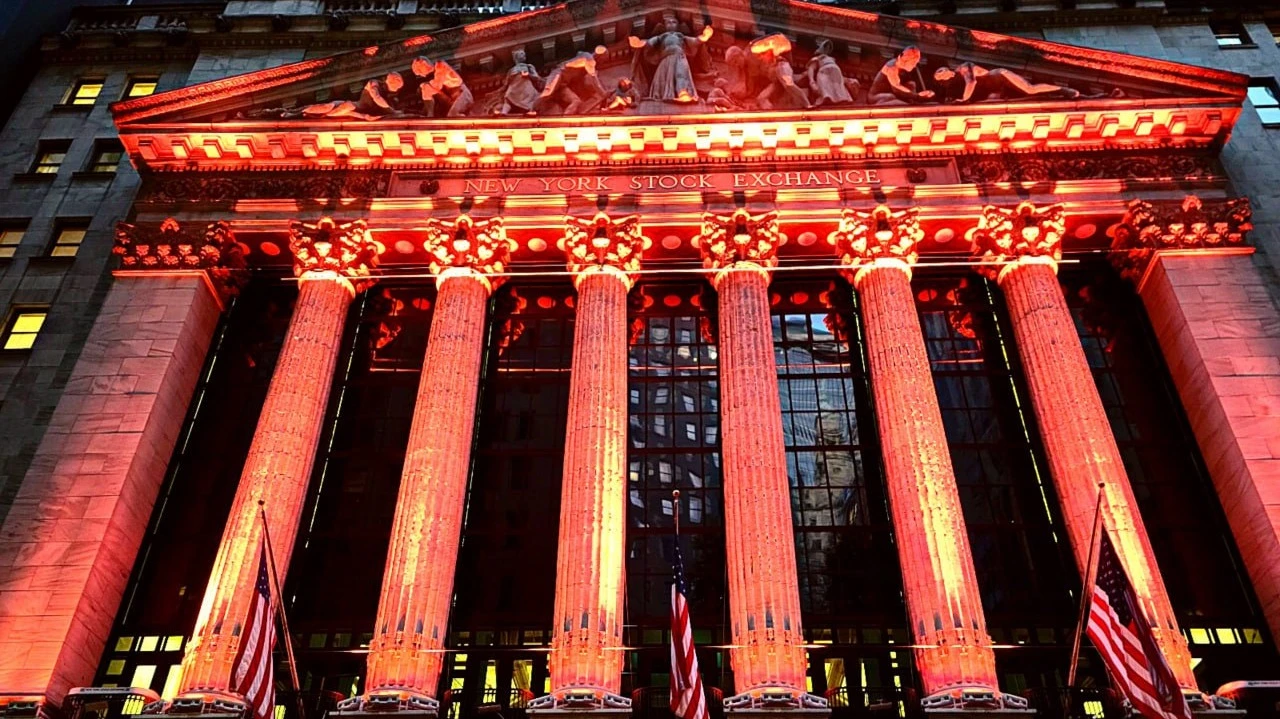
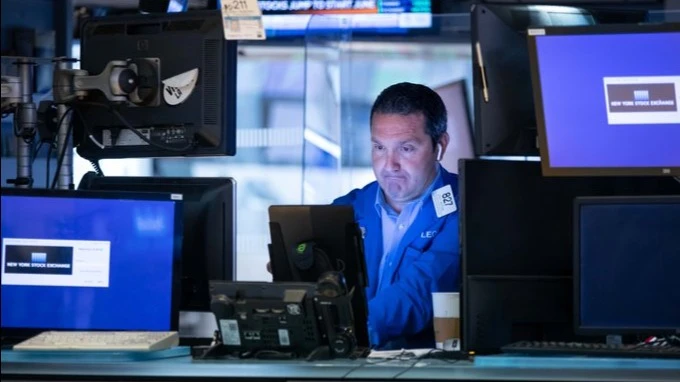
Photo: X / NYSE
Major U.S. stock indices collapsed at the opening of trading on Ma 15. After the conclusion of the summit of US President Donald Trump and Chinese President Xi Jinping in China, which caused traders to worry about the lack of major political breakthroughs, the attention of market participants returned to the problem of the closed Strait of Hormuz and rising inflation. Against this background, yields on U.S. Treasury bonds on May 15 jumped to the maximum for the year. Debt markets around the world also came under pressure.
Details
Against this backdrop, the broad S&P 500 stock index collapsed by just over 1% in the first minutes of trading, the tech-heavy Nasdaq Composite was down 1.54%, the Dow Jones blue-chip index was down 0.8%, and the Russell 2000 index of small and mid-cap companies was the only one in the plus by 0.67%.
July Brent crude contracts jumped 2.5% to over $108 per barrel. June futures for U.S. WTI are up almost 3%, trading at around $104.
The yield on two-year U.S. Treasuries, which typically moves in line with Fed rate expectations, rose 7 basis points to 4.062%. At one point it was as high as 4.071%, the highest since March 2025, Reuters points out. The yield on benchmark ten-year U.S. Treasuries jumped 9.3 basis points to 4.552% (it also jumped at one point to 4.558% - its highest level since Ma 2025). The yield on 30-year bonds rose 8.6 basis points to 5.0992% (it also rose at a high of 5.103% - its highest level since Ma 2025).
The VIX Volatility Index, also known as the "Wall Street Fear Index," added 10% to 19 points on Ma. 15 - any value above 20 indicates increased market volatility. The last time the VIX rose above 20 points was more than a month ago, in early April, before the U.S.-Iran cease-fire agreement.
Context
A rise in government bond yields at the start of the trading day on Ma. 15 reduced traders' appetite for risky bets, Bloomberg notes. This led to a fall in stocks after a six-week record growth, caused by the inflow of funds into all assets related to artificial intelligence.
"This week's [U.S.] inflation data and a renewed rise in oil prices are raising concerns about inflation," stated Matt Maley, chief market strategist at Miller Tabak + Co. - As long-term bond yields hit 12-month highs, investors are forced to close some of their positions in the stock market after an impressive six-week run-up," he added (quoted by Bloomberg).
Stock markets have seen "just unstoppable growth" over the past few days, Tim Graf, managing director and head of macro strategy for EMEA at State Street Markets, noted in turn. "So I think we are at a point where that growth is somewhat exhausted," he added. "If anything [now] has the potential to trigger a correction, it's what's happening in interest rate markets and the prospect of inflation staying above target for many of the central banks - and they may have to tighten policy," the analyst said (quoted by Reuters).
Bank of America strategists, led by Michael Hartnett, in turn, believe that due to the growth of inflation risks, as well as the massive investments that investors have made in recent weeks in stocks, the U.S. stock market will be ready for profit taking in a couple of weeks - in early June.
This article was AI-translated and verified by a human editor