Nebius shares surged: Google has decided to lease more capacity. Who else stands to benefit?
Wall Street, on average, expects Nebius shares to rise in price by about a quarter over the course of the year

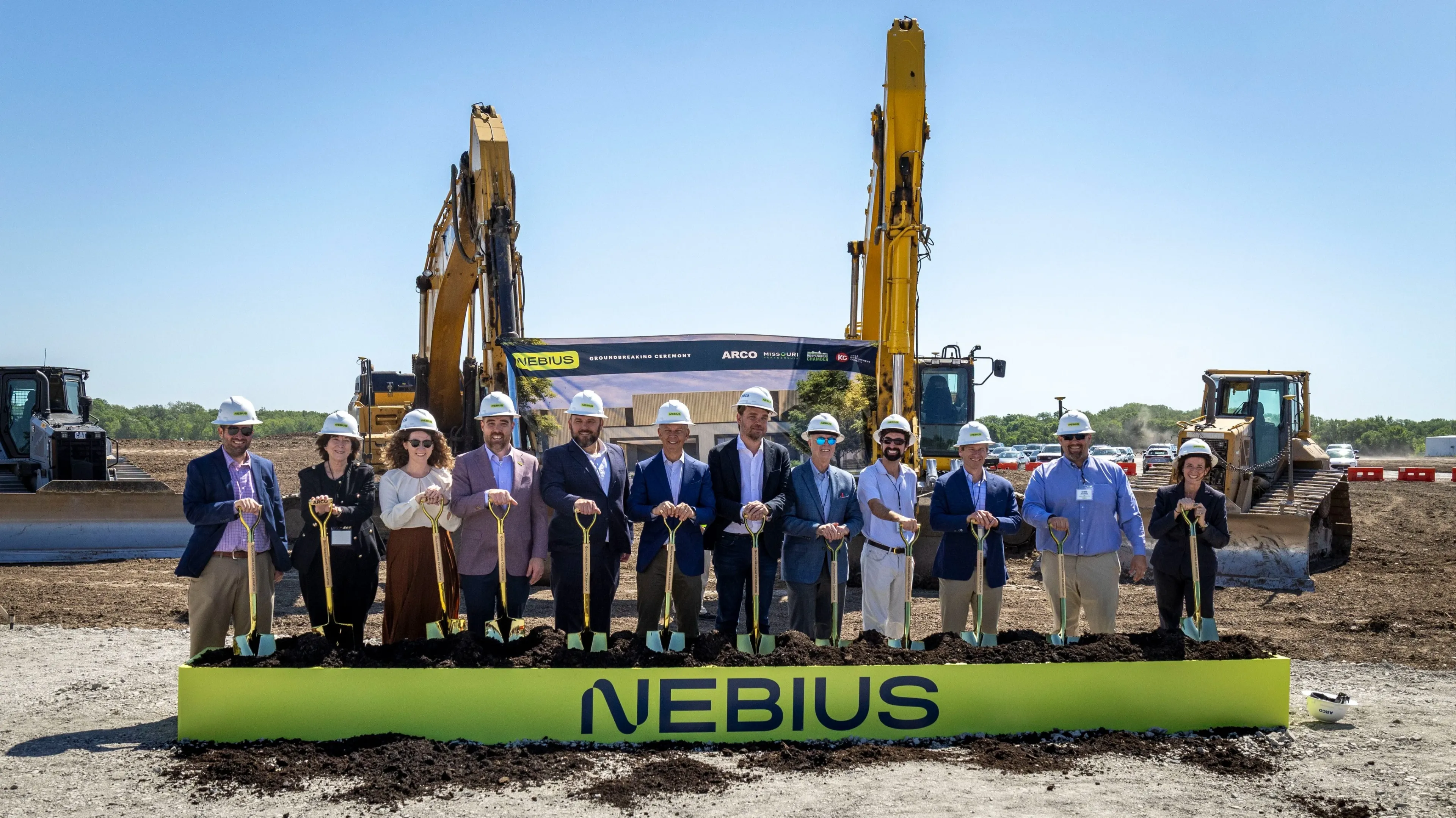
Freedom Capital upgraded its recommendation on Nebius shares this week from "neutral" to "buy" / Photo: X/Nebius
Shares of Nebius, which sells artificial intelligence computing power to companies, jumped 4% in after-hours trading on July 22 in New York. The surge began after Google announced plans to increase spending on data center rentals from third-party providers this quarter, CNBC noted.
Google is making up for the shortfall through rentals
Anat Ashkenazi, CFO of Alphabet (Google’s parent company), attributed the decision to limited availability of computing resources. “Under these circumstances, we plan to expand our use of third-party providers’ capacity in the third quarter as a temporary solution while we scale up our own,” she said during a conference call on July 22 (as quoted by CNBC). According to Ashkenazi, this will allow Google to continue expanding its customer base and capitalize on additional demand, although in the short term, leasing will slightly reduce profitability.
Alphabet CEO Sundar Pichai described the use of third-party capacity as an expensive but temporary measure. Google is working to provide resources to “very, very large” cloud customers during periods of exceptional demand, he explained. “In the short term, the costs can be very high,” but over the life of the contract, the investment will yield significant returns, Pichai emphasized.
Who else stands to benefit?
Although Google did not name its future suppliers, Wall Street identified CoreWeave as a potential beneficiary: its stock rose nearly 3% during after-hours trading on July 22. Microsoft also uses third-party providers and leases resources from CoreWeave, Iren, Lambda Labs, Nebius, and Nscale—and does so more actively than Google, according to CNBC.
Estimates vary
Earlier this week, Freedom Capital analyst Paul Mix upgraded his recommendation on Nebius from “Hold” to “Buy” and raised his price target from $159 to $200. In his view, the nearly 40% correction from the June high has improved the risk-reward ratio: “A significant portion of the risk has already been priced out of the stock.” At the same time, the company’s long-term growth trajectory and its role in the development of global AI infrastructure, according to the analyst, have remained largely unchanged.
Baird initiated coverage of Nebius shares this week with an “Outperform” rating and a price target of $250, according to Investing.com. Analysts see the company’s combination of proprietary infrastructure and software as a key strength: this should help it as demand shifts from training AI models to their practical application.
Morningstar is taking a notably more cautious stance. In late June, the company included Nebius, along with Lam Research and Western Digital, in its list of “stocks showing signs of a bubble” that investors should avoid. Analysts appreciate Nebius’s efforts to complement its computing power rentals with software solutions and managed services, but they estimate the stock’s fair value at only $120—significantly below the market price.
Wall Street remains generally optimistic: according to FactSet, the consensus rating for Nebius is “Overweight,” and the average price target of about $271 suggests a potential for further growth of 24%.
This article was AI-translated and verified by a human editor