Netflix has its first "bear" on Wall Street. What threat did Wells Fargo see?

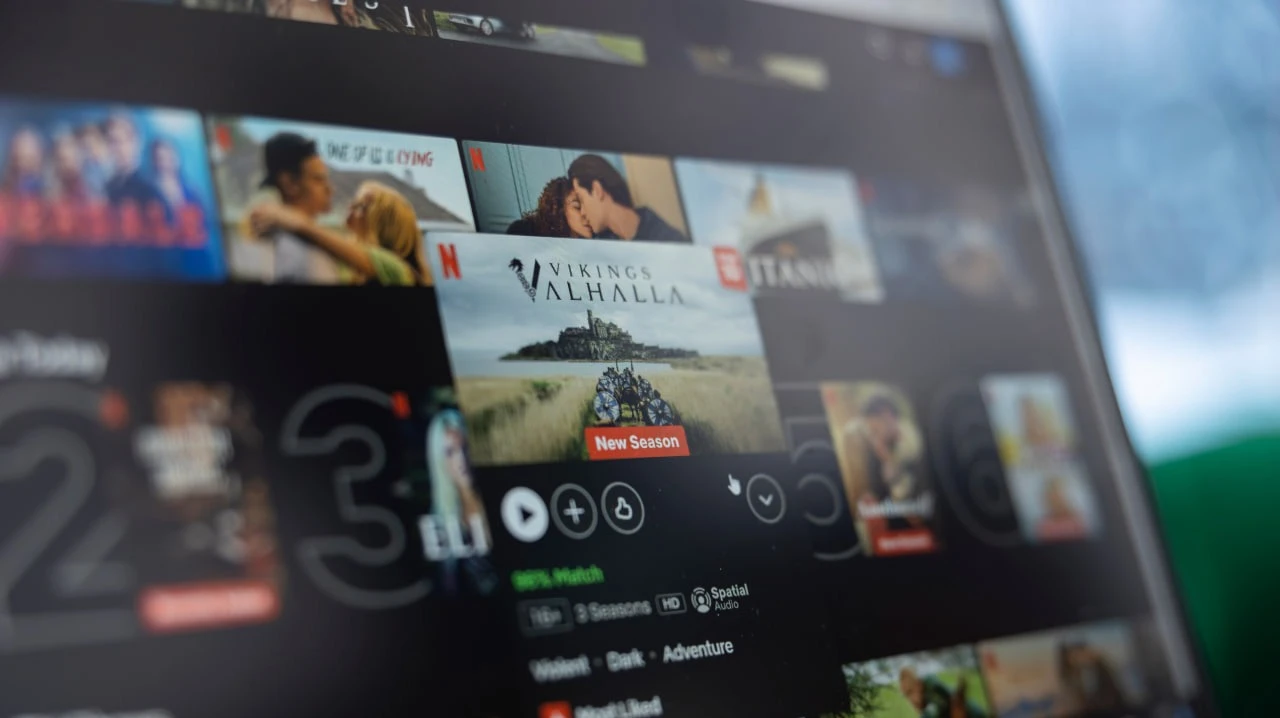
Wells Fargo recommended selling Netflix shares / Photo: DC Studio / Shutterstock.com
Wells Fargo Securities downgraded Netflix’s rating from “Equal Weight” to “Underweight,” according to CNBC. This is equivalent to a recommendation to sell the stock. At the time of the decision, there were no "bearish" recommendations among the Wall Street analyst recommendations tracked by MarketWatch.
At the same time, Wells Fargo sharply lowered its price target for the company's stock from $80 to $57, which is nearly a quarter below its closing price on September 17.
Investors reacted with a sell-off: Netflix's stock price plummeted 4.7% during trading on September 18. Since the beginning of the year, the company's market value has already fallen by 24%.
What influenced the decision?
Wells Fargo expressed concerns about a decline in Netflix user engagement,
according to Seeking Alpha. In the first half of the year, views of the service fell by 8% year-over-year, while the number of hours watched for the platform’s 100 most popular original shows dropped by 3%, noted the bank’s team of analysts led by Stephen Cahall.
They expect Netflix to release 20% less content in the second half of the year that falls into the category of the most popular movies and TV shows. This will lead to less significant growth in profitability in 2027 and 2028, Wells Fargo forecasts.
As analysts note, Netflix is trying to increase audience engagement, in particular by more actively promoting content directly through YouTube, as well as by focusing on games, documentaries, and sports. However, the company is facing a shift in its content landscape and risks running out of original productions that become major cultural events and are actively discussed by viewers.
Netflix now publishes its audience engagement report once a year instead of twice. This has fueled concerns that the company is losing subscribers to competing streaming services, Barron's explains. Cahall believes that Disney is now better positioned to produce blockbuster content. At the same time, he acknowledged that he might be wrong about Netflix, pointing to the platform’s record spending on movies and TV series and its ability to produce unexpected hits.
According to Wells Fargo, Netflix faces a difficult choice: increase spending on new releases, acquire more sports broadcasting rights, or try to grow through mergers and acquisitions. Any of these options would likely make the company’s investment story “more complex,” Cahall said. The analyst warned that it would become more difficult to predict the stock’s performance.
What Others Think
Evercore ISI analyst Kutgun Maral took the opposite stance on Netflix this week: he reaffirmed his “Buy” rating and raised his price target to $110, according to 24/7 Wall St. Maral cited his own research, which showed that the percentage of U.S. households subscribing to the service has reached a multi-year high, while in Japan it has hit a record high. This was driven by a sharp increase in viewership of live sports broadcasts.
Wall Street as a whole remains optimistic about Netflix: 37 of the 54 analysts covering the company recommend buying its stock. The average price target suggests a 25% upside potential.
This article was AI-translated and verified by a human editor