Netflix shares have fallen 50% from their peak. Why is the investor from *The Big Short* avoiding them?
Michael Burry believes that Netflix lags behind Disney in terms of the “evergreen” nature of its content

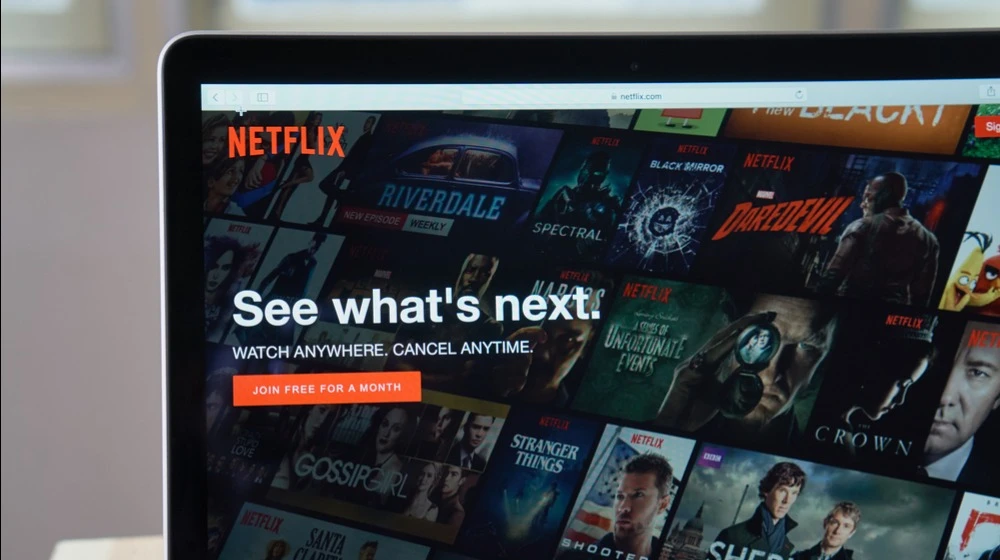
According to Burry, Netflix is now just “one of many players in an increasingly fragmented and competitive streaming market” / Photo: sitthiphong / Shutterstock.com
Netflix stock doesn’t look like an attractive buy even after falling nearly 50 percent from its peak, according to Michael Burry. The investor, whose bet against the mortgage market became one of the central storylines in “The Big Short,” argues that Netflix’s content does not pass the “evergreen test,” unlike Disney’s franchises.
Details
Netflix's current market price is about 1.6 times its intrinsic value, Burry wrote on his Substack blog, Cassandra Unchained. The previous day, Netflix shares closed at $67.7.
Burry evaluates Netflix using what’s known as the “evergreen” test. He determines the extent to which the platform’s projects—including *Stranger Things* and *Squid Game*—remain relevant, worth rewatching, and appealing to different generations of viewers. For example, the investor considers Disney and Pixar content—which includes the “Star Wars,” “Avengers,” and “Toy Story” franchises—as well as Warner Bros.’ “Harry Potter” series to be “evergreen.”
Burry notes that the legal drama *Suits*, which premiered in 2011, became a hit; however, its popularity generated more revenue for the show’s creators, NBCUniversal, than for Netflix, which streamed it. The rest of Netflix’s content, according to the investor, does not strike him as “evergreen.”
"Overall, this is how I see it: Disney makes wine, Netflix makes milk. One of them ages well and only gets better with time. The other is perfectly fine to enjoy right now, but it definitely won't get any better over the years."

The two companies’ business models are fundamentally different, notes Business Insider. Disney monetizes its franchises through movies and TV shows, theme parks, retail stores, and video games. Netflix, on the other hand, focuses on streaming original and licensed content.
According to Burry, Netflix is now just “one of many players in an increasingly fragmented and competitive streaming market.”
Context
Last week, Netflix warned of a slowdown in revenue growth for the current quarter—the second consecutive quarter. Following that, the streaming giant’s stock plummeted by nearly 12%, marking its biggest drop since 2022.
Even before the earnings forecast was released, Netflix shares were under pressure. Since the start of the year, the company’s stock price has fallen 28%, and from its peak, reached last June, it has dropped nearly 50%. Netflix’s failed attempt to acquire Warner Bros. Discovery, followed by financial results that disappointed the market, heightened concerns that the company had lost its previous growth momentum, The Wall Street Journal noted.
This article was AI-translated and verified by a human editor