News of rising prices for Nvidia's AI servers dragged down the memory market. The Nasdaq lost 1%.

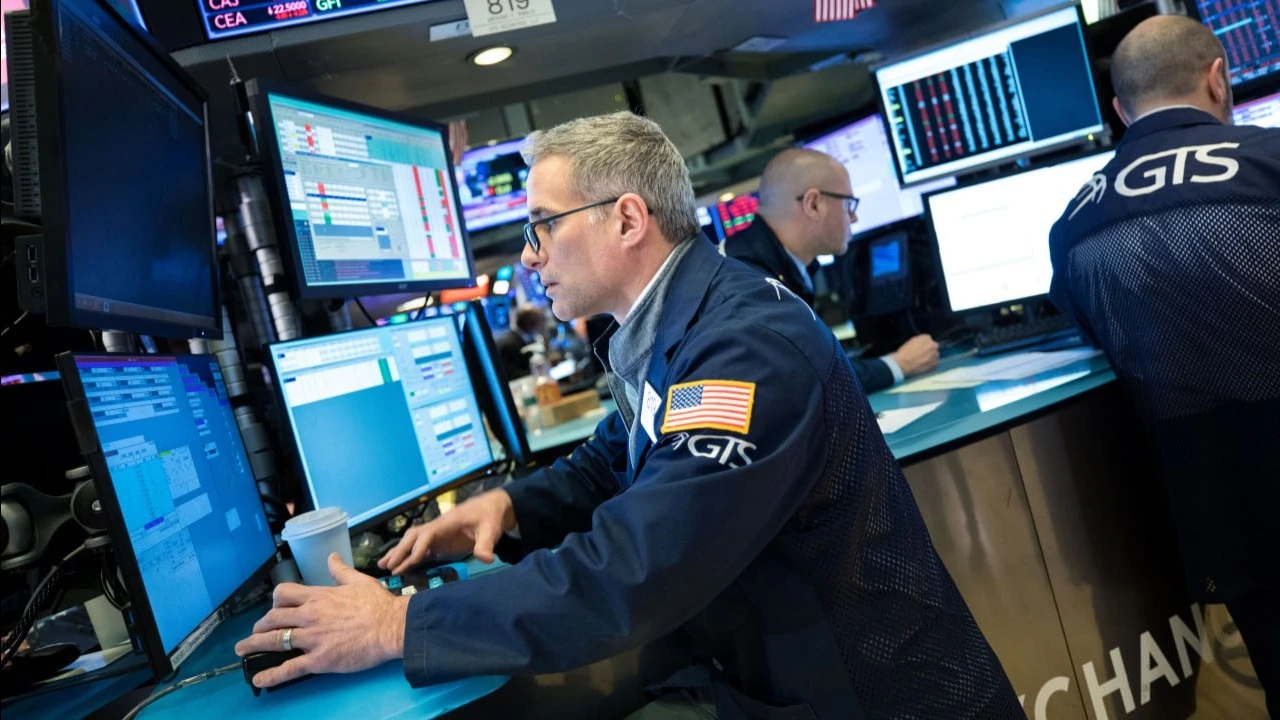
Photo: X / NYSE
The Nasdaq Composite (which tracks the performance of all securities traded on the Nasdaq) and the Nasdaq 100 (which tracks the 100 largest companies on that exchange) fell by about 1% at the start of trading on August 24. Stocks in the sector were dragged down by plummeting memory chip manufacturers. A negative factor for them was news that some of the largest customers of market-leading chipmaker Nvidia had received notices of price increases of more than 15% for servers containing the company’s AI chips, as well as about rising prices for memory chips, according to Bloomberg.
Details
On August 22, Bloomberg reported, citing sources, that prices for server systems equipped with Nvidia accelerators had risen by more than 15% due to rising costs and a shortage of memory chips. Nvidia has not officially commented on this information. Nevertheless, the news triggered a plunge in the stock prices of chipmakers and memory chip manufacturers, according to Bloomberg. Micron’s stock lost more than 6%, while shares of Advanced Micro Devices (AMD) and Broadcom fell by 3% and approximately 2%, respectively. Nvidia’s own stock fell by more than 2%. The Philadelphia Semiconductor Index, a sector index for semiconductor companies, dropped 3.7% during trading on August 24. Following this, the tech-heavy Nasdaq Composite was down 0.99% at one point, while the Nasdaq 100 index fell 1.4%.
Geopolitical factors are also weighing on U.S. stocks: markets are expecting the U.S. Treasury Secretary to unveil a plan for the economic isolation of Iran. Last week, U.S. President Donald Trump spoke about the fact that the U.S. is preparing large-scale restrictions against the Islamic Republic and its allies. Amid a stalemate in negotiations with Iran, Brent crude futures are trading around $93 per barrel, while WTI is trading at around $85.
In addition, rising government bond yields around the world are putting pressure on the stock market—rates in Japan, France, and Germany have reached multi-year highs, according to CNBC. Investors fear that a war between the U.S. and Iran could drag on, leading to even higher oil prices and rising inflation.
Meanwhile, yields on long-term U.S. Treasury bonds fell slightly (last week, they had also remained near multi-year highs). However, on Monday, the yield on 30-year Treasuries fell by more than 3 basis points to 5.237%, while the yield on 10-year Treasuries fell by 3 basis points to 4.708%. CNBC, citing two senior officials at the U.S. Department of the Treasury, reported that the department may use part of its cash reserves to finance the expanded government debt buyback programs announced last week by Treasury Secretary Scott Bessent.
What People Are Saying in the Market
Geopolitical factors, oil prices, Treasury yields, and volatility in the technology sector all contributed to the U.S. stock market’s decline last week, and according to Chris Larkin of brokerage firm E*Trade (a subsidiary of Morgan Stanley), these factors appear set to continue influencing the markets this week as well. “Details regarding U.S. economic sanctions against Iran, the Treasury Department’s attempts to lower long-term Treasury yields, and macroeconomic data could significantly influence market sentiment, but earnings reports from Nvidia and other tech companies are also likely to have a substantial impact on market dynamics,” he said. Nvidia is set to release its latest quarterly earnings report this Wednesday, which could serve as another test of the AI rally’s resilience following July’s crash, according to Barron’s.
“The semiconductor market has become oversaturated,” said Marta Norton, chief investment strategist at Empower, commenting on the situation in the sector. “I just don’t know what other good news isn’t already priced in,” she added, noting that the sell-off in chipmakers “doesn’t necessarily mean there’s anything wrong with [these companies’] fundamentals.” “You can have an excellent company, but that doesn’t mean investing in it at this particular moment is a good investment,” Norton explained (as quoted by Reuters).
This article was AI-translated and verified by a human editor