'No renewal in 24 hours': 800 ships stand in the Strait of Hormuz despite the deal

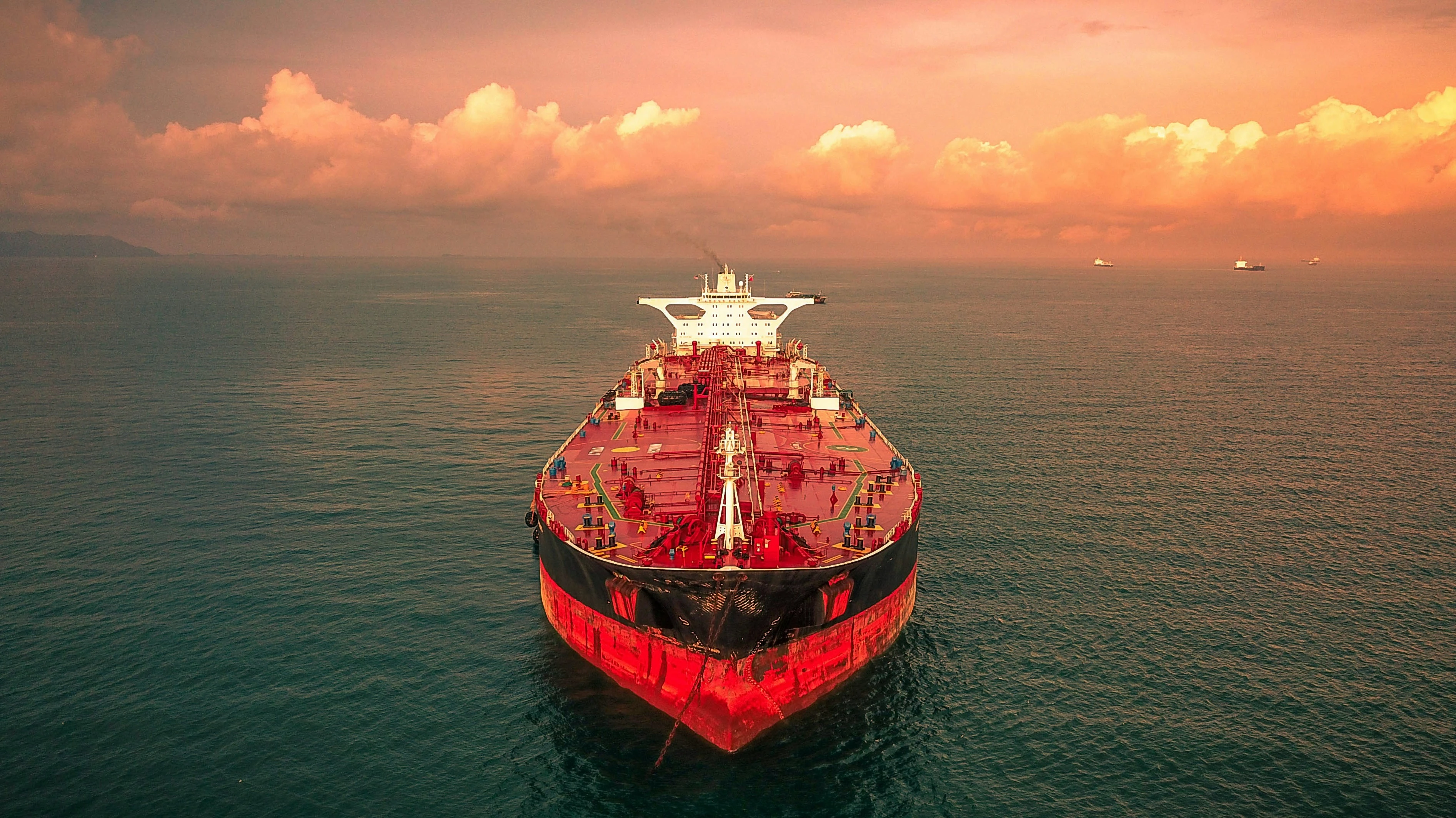
Ceasefire plans are a necessary step, but it's just the beginning, analysts warn / Photo: Fredrick F. / unsplash
Despite the agreement on a temporary ceasefire between the U.S. and Iran and the agreement to open navigation in the Strait of Hormuz, more than 800 ships remain blocked on both sides of this waterway, Bloomberg writes. Their owners are trying to sort out the details of the deal concluded by the parties.
Details
It remains unclear when exactly the agreement on a two-week truce will come into force and whether Iran will continue to charge transit fees from ships passing through the Strait of Hormuz (Tehran previously said that they reached $2 million), Bloomberg writes.
Iran said earlier on April 8 that it agreed to allow safe passage of ships through the Strait of Hormuz within two weeks - in coordination with its armed forces and within "technical constraints." US President Donald Trump at the same time announced the "full, immediate and safe opening" of shipping through the Strait of Hormuz. Trump later indicated that the U.S. would "help with traffic" in this waterway and "stay close" to ensure the smooth flow of traffic through the Strait of Hormuz.
Ship owners were cautiously optimistic about the news, Bloomberg wrote. Most of them warned that more clarity and time would be needed to fully resume ship traffic. In peacetime, about 135 ships passed through the Strait of Hormuz daily; in the past month, amid shelling and Iranian restrictions, that number has dropped to about 15, according to observations by a Citrini Research analyst the firm sent to the strait.
A significant part of the ships that are stuck in the Persian Gulf because of the war, according to Kpler data, are tankers that carry energy carriers, Bloomberg writes. In particular, according to the researchers, there are 426 tankers carrying crude oil and clean fuels, 34 gas tankers (carrying liquefied petroleum gas) and 19 ships with liquefied natural gas in the Gulf. The rest carry dry cargo, such as agricultural and metallurgical products, or containers.
What the market is saying
"You can't restart global shipping in 24 hours," said Jennifer Parker, an associate professor at the Institute of Defense and Security at the University of Western Australia. - Tanker owners, insurers and crews need to believe that the risk has actually been reduced, not just suspended."
The ceasefire plans are a necessary step, but this is only the beginning, agrees Lewis Hart, head of marine at insurance brokerage Willis Towers Watson in Asia. "Even within these two weeks, we expect shipping [through the Strait of Hormuz] to resume gradually rather than immediately," he noted.
"It's good to see the market reacting this way," former U.S. intelligence adviser Michael Pregent added in an interview with Bloomberg Television. "It's only the first day of a tentative truce," he added, noting that "we'll probably see the [Iranian] regime controlling who can move freely [through the strait], who gets charged and who gets denied access.
This article was AI-translated and verified by a human editor