Norway will restrict the use of AI glasses. What does this mean for Meta and other manufacturers?
The country's government is drafting a bill that would ban the use of AI-powered devices in schools, parks, and on beaches

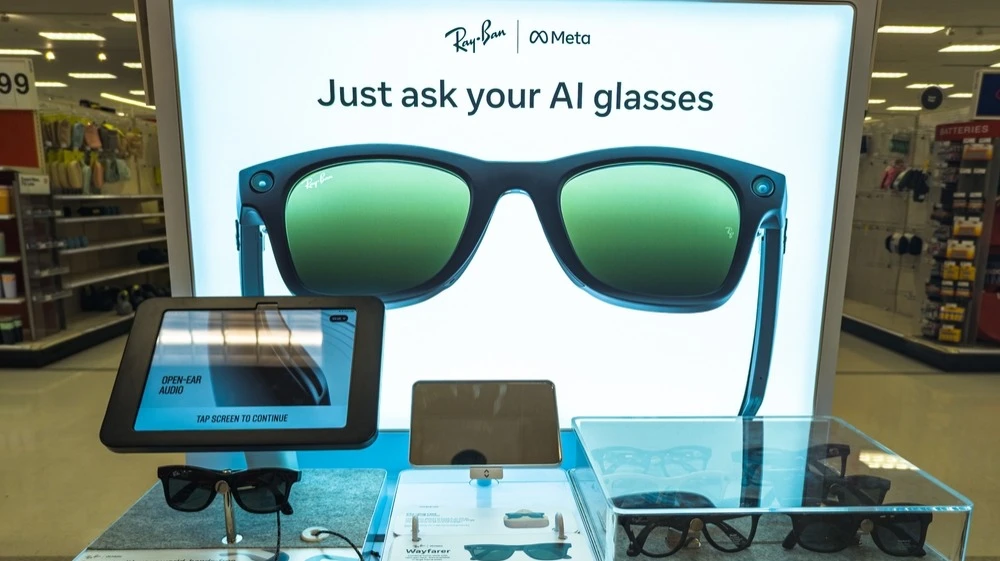
Smart glasses may be banned in public places in Norway / Photo: Shutterstock.com / PJ McDonnell
Norway has become the first major country to propose a temporary ban on the use of AI-powered glasses in certain public places due to growing privacy concerns. Meta, which owns Instagram and WhatsApp, currently leads the smart glasses market. But Apple, OpenAI, and other contenders are also eyeing the market for AI-powered wearable devices.
Details
The Norwegian government has announced that it will soon introduce a bill in parliament to temporarily ban AI-powered glasses in certain locations: for example, in parks, on beaches, in museums, shopping centers, and at public events, as well as in places where children gather—such as schools, preschools, and playgrounds.
“I am concerned about the emergence of powerful new technology that allows people to be photographed, videotaped, or audio-recorded without their knowledge,” said Norway’s Minister of Digitalization, Torgeir Mikkelsen (his remarks are quoted in a government press release).
The authorities emphasized that they do not plan to impose a complete ban: the use of the glasses may be considered permissible in situations where there is no risk of filming people without their consent.
In Norway, some organizations have already imposed similar restrictions on their own, according to the Financial Times. Schools in Oslo have banned the use of such devices, and Norway’s largest company—the oil and gas firm Equinor—does not allow them to be worn in its offices or at its production facilities.
Meta shares rose more than 2% during trading on October 5 following a positive assessment of its AI agent, Muse, by Deutsche Bank. Apple shares remained virtually unchanged.
What does that mean?
Major U.S. companies, including Meta, Google, and OpenAI, expect wearable devices to replace smartphones as the primary way to interact with AI, the FT notes. They believe that talking to an assistant that listens to a user’s everyday conversations is easier than opening an app and typing in a query, the newspaper reports. Between 2026 and 2032, consumers will spend more than $1 trillion on wearable devices, according to an estimate by analysts at Counterpoint Research cited by the newspaper.
Meta and EssilorLuxottica, the owner of Ray-Ban, have been ramping up production of smart glasses for several years: in the second half of 2025, their combined market share accounted for more than 80% of the global market for such devices. In the summer of 2026, Meta released a more affordable model priced at $299 with a built-in AI assistant, but prior to that, due to high demand in the U.S., it was forced to postpone international sales of the more expensive Ray-Ban Display glasses.
Google, in partnership with Warby Parker, and Apple—which, according to Bloomberg sources, has put work on a new version of the Vision Pro headset on hold to accelerate the development of its own smart glasses—are poised to compete with it.
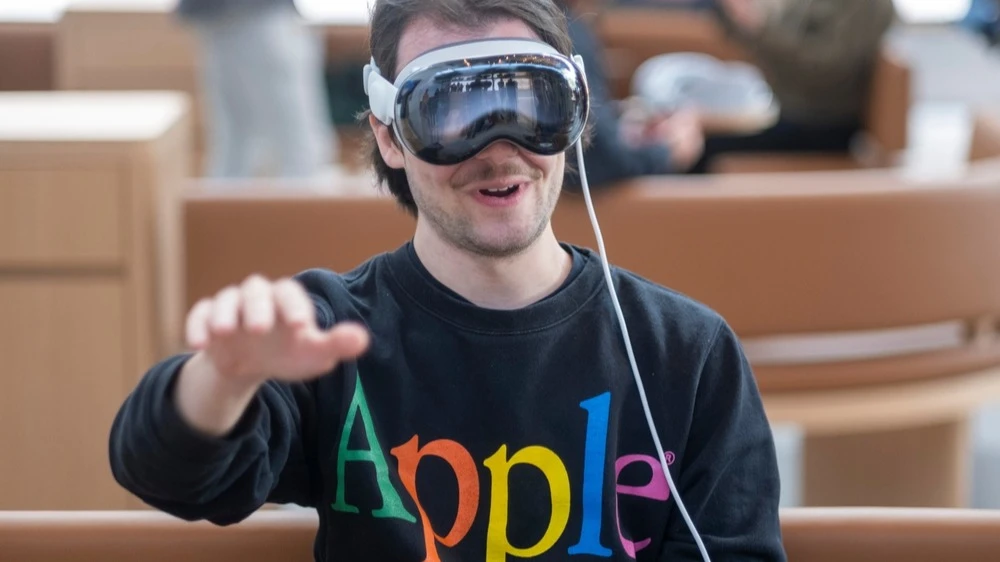
The rise of smart glasses has been accompanied by growing privacy concerns: these devices can discreetly record what is happening around the user, and those nearby do not always realize that video or audio is being recorded. “It’s not always clear to consumers exactly what they’re sacrificing in terms of privacy in exchange for new, efficient devices that make their lives more productive and convenient,” Reuters quoted Ryan Clarkson in September; his law firm represents consumers who have filed lawsuits against Meta and Luxottica of America over alleged misleading privacy claims regarding the use of smart glasses.
Other countries are also considering regulations for smart glasses: Australia is exploring the possibility of banning them in certain public places, while courts in New York and the United Kingdom are already imposing similar restrictions, according to The Guardian.
This article was AI-translated and verified by a human editor