Meta has unveiled more affordable smart glasses with an AI assistant. Does it have any competitors?

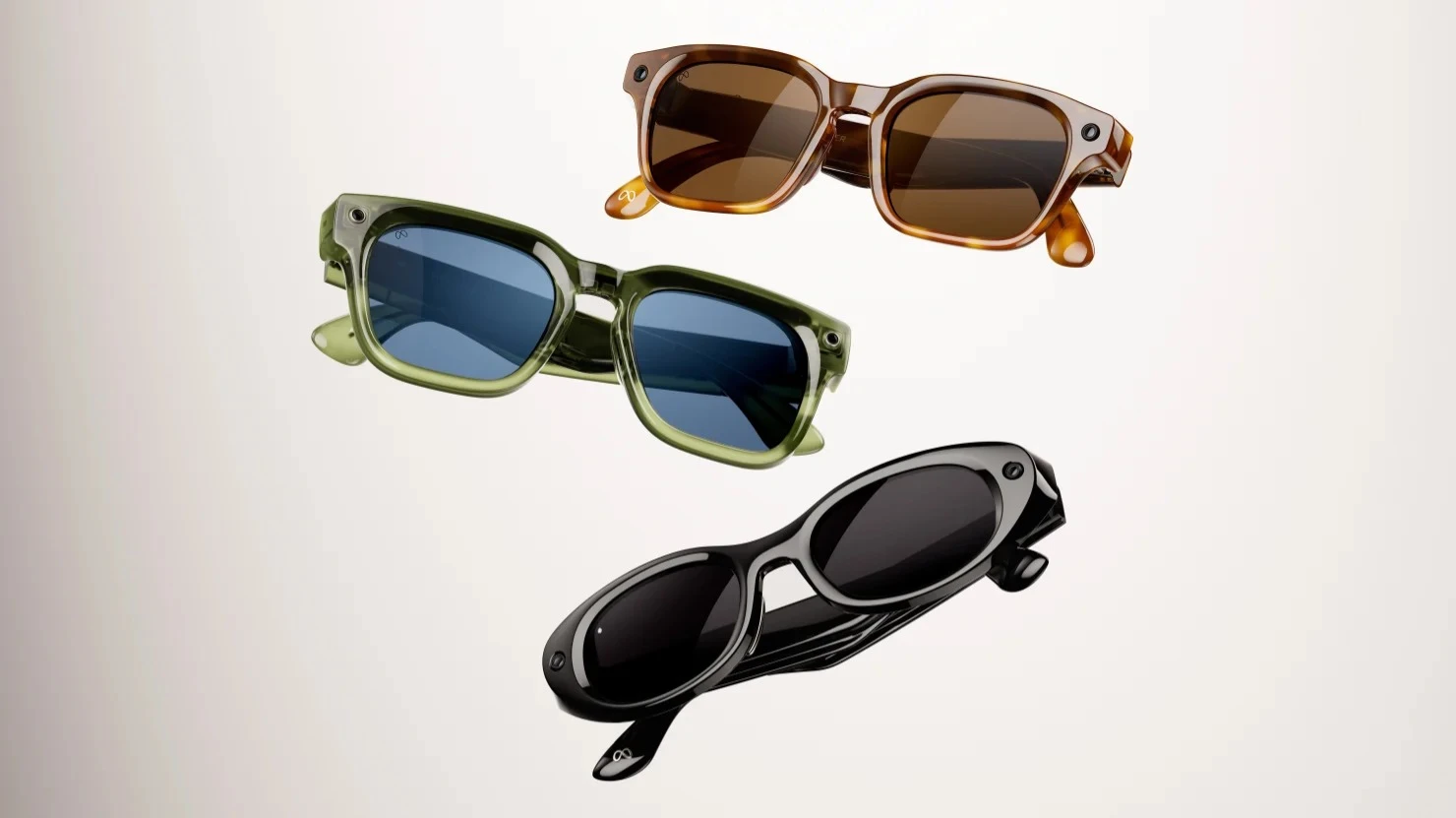
Meta has released new AI glasses for $299 / Photo: Meta
Meta has unveiled a new line of smart glasses, Meta Glasses, priced at $299. The new product will be at least $80 cheaper than the base model of the company’s previous—second-generation—smart glasses, Meta Ray-Ban, according to CNBC.
Details
Meta’s new line of glasses, like the previous generation of these wearable devices, was developed in partnership with Ray-Ban’s parent company, EssilorLuxottica—however, the glasses will not be marketed under the Ray-Ban or Oakley brands. The new collection will include three design options for the glasses model, all of which can be fitted with prescription lenses (rectangular, square, and oval shapes), as well as a collection featuring slim oval frames developed in partnership with American model Kylie Jenner, according to the company’s website. Meta Glasses do not have a screen but are equipped with a camera and personal speakers.
The new product is also the American company’s first smart glasses to hit the market with an integrated Meta AI assistant based on the Muse Spark language model, Reuters explains. Users will be able to talk to Meta’s AI, including, for example, asking it to translate or recognize what they see around them, as well as take photos and record videos.
The glasses will be available to customers starting today on the Meta website in the U.S., Canada, the U.K., France, Italy, Germany, Spain, and other European countries. The sales territory and list of retailers will expand by the end of the year.
On June 23, Meta shares recovered from a 0.9% decline in premarket trading following this news and, at the time of publication, were up a symbolic 0.02% (they had risen 0.4% during Tuesday’s trading session). Year-to-date, Meta shares are down 14%.
Context
Last September, Meta executives stated that they view smart glasses as “the future of computing devices”—devices equipped with displays in the lenses that have computing capabilities. Last year, the company announced a pair of glasses called Ray-Ban Display, priced at $799, which feature a built-in screen; however, Meta has not yet announced the release of such glasses.
CNBC notes that Meta is aggressively promoting smart glasses in the consumer market amid intensifying competition in the eyewear segment and growing consumer interest in augmented reality devices. Although this sector remains small for now, the American corporation and EssilorLuxottica dominate it, the network notes: According to estimates by research firm Counterpoint Research, their combined market share in the second half of 2025 exceeded 80% year-over-year, and sales since their debut in 2021 are in the millions. According to International Data Corporation, global shipments of smart glasses reached 9.6 million units last year, with Meta accounting for about 76.1% of the total. These figures are cited by Reuters.
Meanwhile, Google announced in May that it is partnering with Warby Parker to develop new smart glasses that will use its Gemini AI model. Last week, Snap announced Specs—smart glasses priced at $2,195—which the company’s CEO, Evan Spiegel, is positioning as the successor to the smartphone.
This article was AI-translated and verified by a human editor