Novo Nordisk to cut prices on weight loss products by up to 50%. Why is the stock falling?

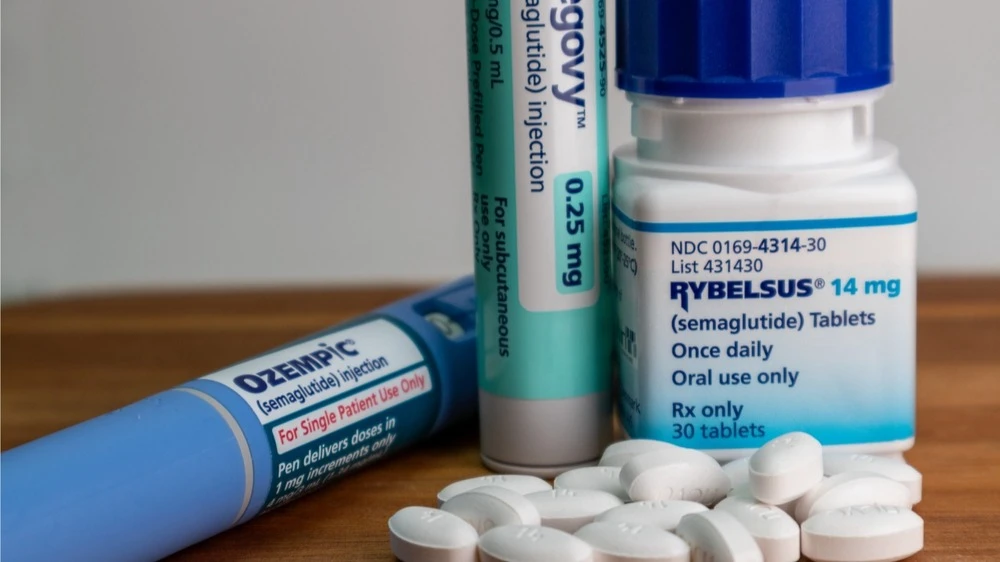
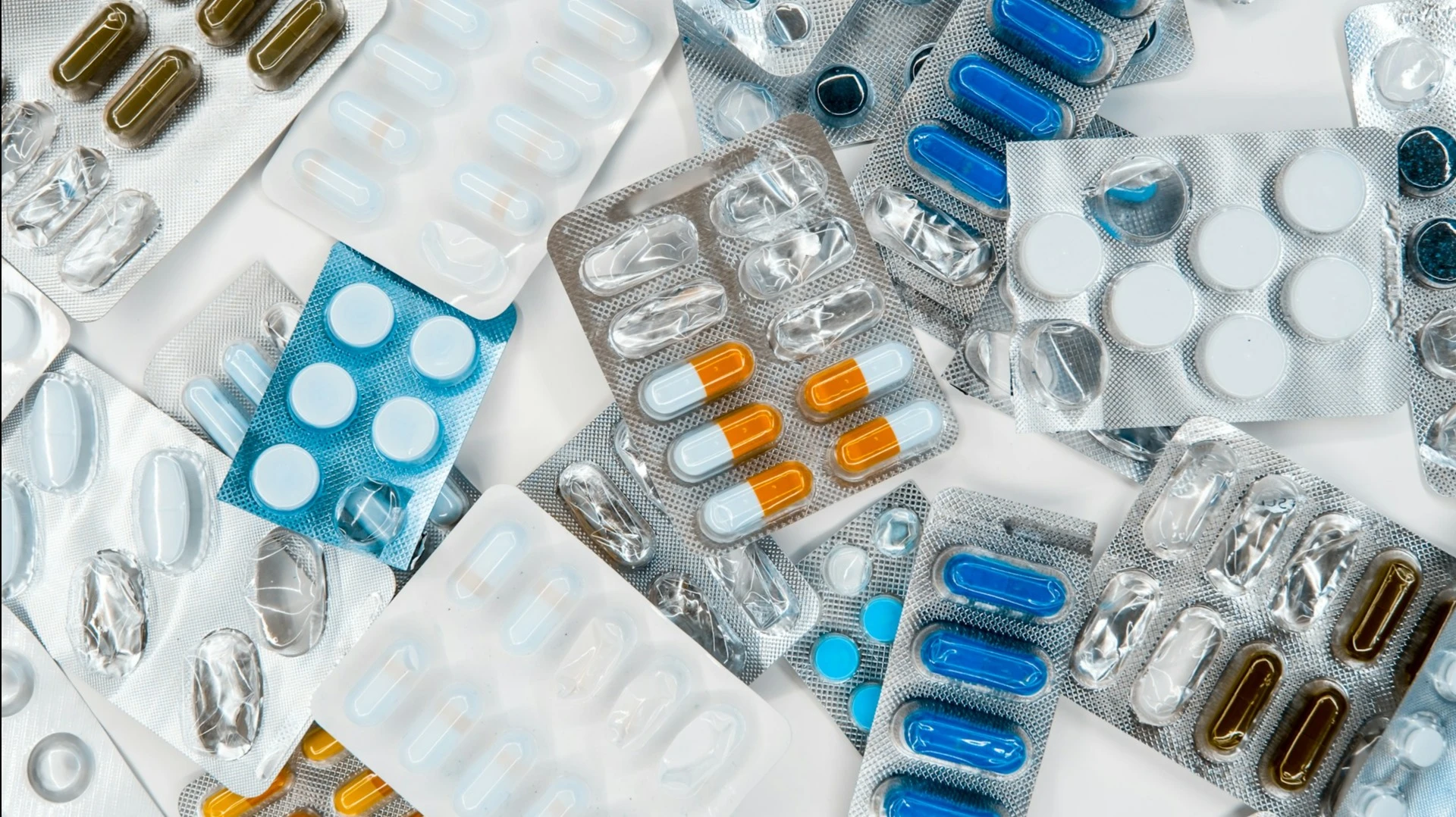
Novo Nordisk announced price cuts for flagship drugs in the US amid failed trials of a new weight loss product / Photo: KK Stock / Shutterstock
Danish company Novo Nordisk has announced its intention to reduce list prices in the US for its flagship weight loss and diabetes drugs Wegovy and Ozempic. Their prices will be reduced by up to 50% starting next year, according to the company. Novo said it expects to increase the affordability of the therapy in this way, especially for those who pay for the treatment themselves - partially or fully.
Nevertheless, analysts were skeptical of the company's idea: after the latest unsuccessful trials of the experimental drug, Deutsche Bank and JPMorgan downgraded Novo's stock ratings. And Barclays downgraded sales forecasts for Novo's new weight loss product by more than 80%. The company's shares declined for the fourth consecutive session.
Details
Novo Nordisk announced that starting January 1, 2027, the cost of its main weight loss and diabetes drugs, Wegovy and Ozempic, will be $675 for a 30-day course of therapy. This is half the current price of Wegovy obesity therapy and 34% less than the current cost of a one-month course of Ozempic, which is also used to treat diabetes. The price reduction will also affect the tablet forms of these drugs.
The new prices will begin to apply at the same time as the U.S. price cuts for the same Novo products under Medicare, the federal health insurance program for older Americans, notes the Wall Street Journal. Previously, Medicare did not cover weight loss drugs. However, starting in 2027, Medicare and Medicaid patients (another U.S. health insurance program for low-income people) who are obese and have comorbidities including prediabetes and heart failure will be able to purchase a 30-day course of Ozempic and Wegovy for $274.
Why is Novo lowering its prices?
Novo Nordisk is lowering list prices for its drugs for the first time, company executives said. The purpose of this, according to them, is to reduce personal expenses of patients.
Beyond that, however, the company's intention to lower prices on its drugs will intensify its price competition with its main rival, Eli Lilly, in the segment of GLP-1 class drugs for obesity and diabetes, one of the fastest-growing and most competitive areas of the pharmaceutical market, the Wall Street Journal noted. Both companies have made it easier for patients to access their drugs in this area by launching direct sales through their own websites. Novo Nordisk and Lilly are also cutting net prices on popular GLP-1 weight-loss drugs by offering discounts to insurers and consumers, including as part of agreements with U.S. President Donald Trump's administration.
GLP-1 class drugs are taken by millions of patients, but the high cost restrains demand: insurance plans often do not cover these drugs, or the personal costs of patients are too high, the newspaper points out.
Investment bank TD Cowen estimates that the global market for GLP-1 class drugs for obesity and diabetes is now about $72 billion and could grow to about $139 billion by 2030.
Context
Novo Nordisk, previously ahead of Eli Lilly in the market for GLP-1 class weight-loss drugs, admitted on Feb. 23 that its next-generation drug in the field, CagriSema, had not demonstrated an advantage over a competing product from Eli Lilly.
Against this backdrop, Novo shares fell 16% in Copenhagen on February 23 and fell to their lowest levels since June 2021, the period when the company first launched its blockbuster Wegovy. Novo Nordisk shares were down 3.4% in Copenhagen trading on Feb. 24. Depository receipts traded on the New York Stock Exchange were down 2.3%.
What are the analysts saying?
Emmanuel Papadakis of Deutsche Bank on February 24 downgraded Novo securities from "buy" to "hold" and cut the target price by 31% after the company's announcement of the failed CagriSema trials, MarketWatch writes. The analyst said he was previously willing to accept the company's projected near double-digit revenue decline of 5-13% at constant exchange rates, given the dynamic launch of the oral version of Wegovy, he said. Now, however, he believes Novo's medium-term prospects have taken a serious hit.
On Tuesday, February 24, JPMorgan Chase analysts also joined Novo's downgrade: they downgraded their assessment of the company's securities from "above market" to "neutral" and cut their sales forecast for CagriSema for 2027-2030 by 63%. At the same time, they noted a potential growth driver for Novo Nordisk outside the segment of weight loss drugs - in their opinion, it could be the anti-inflammatory drug ziltivekimab. Data from Phase 3 trials are expected in the third quarter of 2026.
On February 24, analysts at Barclays also cut Novo's forecast for peak sales of CagriSema by 83% - from $12 billion to $2 billion, Reuters writes. Such revision became a clear indication of how serious a blow the unsuccessful results of the company's latest study turned out to be for the Danish manufacturer's attempts to regain leadership in the rapidly changing market of obesity drugs in competition with the U.S. Eli Lilly, the agency notes.
Of the 23 analysts covering Novo Nordisk securities, nine advise buying them, 13 recommend holding them in a portfolio, and only one recommends selling them.
This article was AI-translated and verified by a human editor