Nvidia is preparing to oust Huang — WSJ. Analysts had expected a drop of up to 30% in this scenario

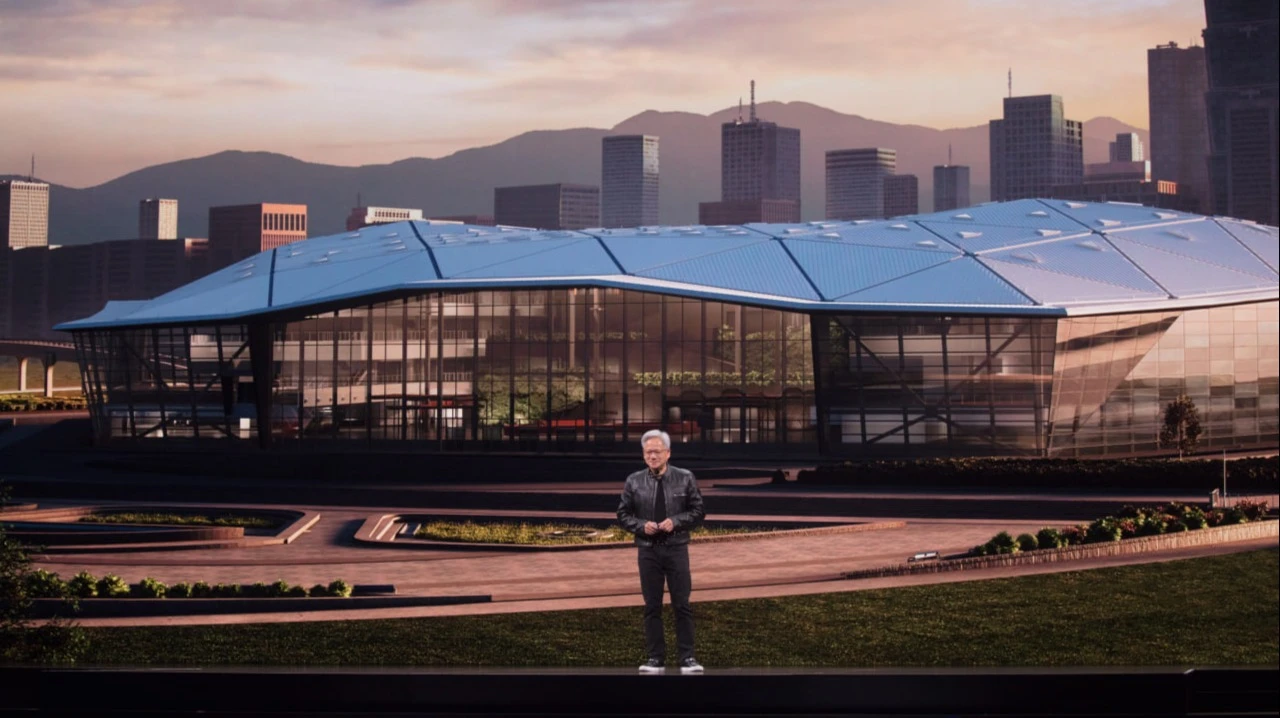
Photo: jamesonwu1972 / Shutterstock.com
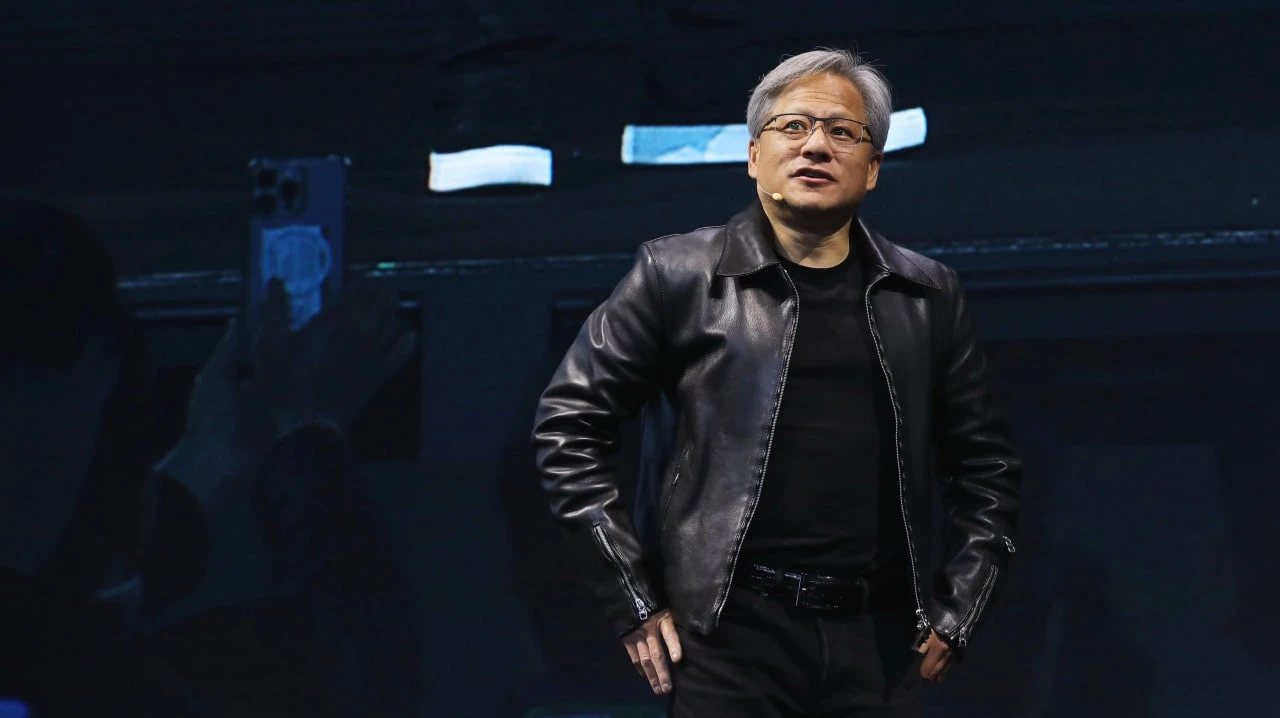
Nvidia is preparing to remove its founder and CEO, Jensen Huang, from the company’s leadership following two extramarital affairs, including one with an alleged Chinese spy, sources told The Wall Street Journal. According to their information, the chipmaker’s board of directors may meet as early as Wednesday, November 11, to decide the CEO’s future. Sources at The New York Times also confirmed this. Nvidia did not immediately respond to the publication’s request for comment.
Nvidia shares plummeted more than 9% in after-hours trading in New York. Futures on the Nasdaq 100 technology index fell 0.9%.
Compared to other CEOs of tech giants, Huang is in a relatively vulnerable position, Barron’s reported. Unlike Meta and SpaceX, Nvidia does not use a dual-class stock structure, which allows the CEO to concentrate a disproportionately large share of voting power in his own hands. Furthermore, although Huang is the largest individual shareholder, he owns only 3.56% of the company’s shares, notes The New York Times. Therefore, the board of directors or investors could potentially force him to step down—for example, for violating the corporate code of conduct.
What does this mean for the company?
Wall Street strategists described Huang's departure as a highly undesirable scenario—a prediction made, in particular, by Ken Mahoney, CEO of Mahoney Asset Management. If that were to happen, the company’s stock would find itself in an even more difficult position, he warned.
The worst-case scenario would be Huang’s forced departure coinciding with the U.S. authorities’ consideration of possible restrictive measures against Nvidia, said Yegor Tolmachev, senior equity analyst at Freedom Broker. According to his estimates, in such a scenario, the company’s stock price could plummet by 10–30%. “The extent of the decline will depend, in particular, on how influential Huang’s successor turns out to be and how severe the sanctions imposed on the company will be,” Tolmachev noted.
A similar assessment was voiced by one of Wall Street’s leading optimists, Dan Ives, a partner at Yorkville Ives: he suggested that if Huang were to step down, Nvidia could lose up to 30% of its market capitalization. “Jensen is the very DNA of Nvidia, and its success and ambitions in the field of AI depend directly on whether he remains CEO,” Ives said. According to him, there is no one else on the management team who could seamlessly take over as CEO.
Huang has been at the helm for more than 30 years and has firmly consolidated control in his own hands: top executives who report directly to him promptly carry out his decisions. At the same time, there is no clear successor capable of keeping up with the CEO’s intense work pace, according to Bloomberg.
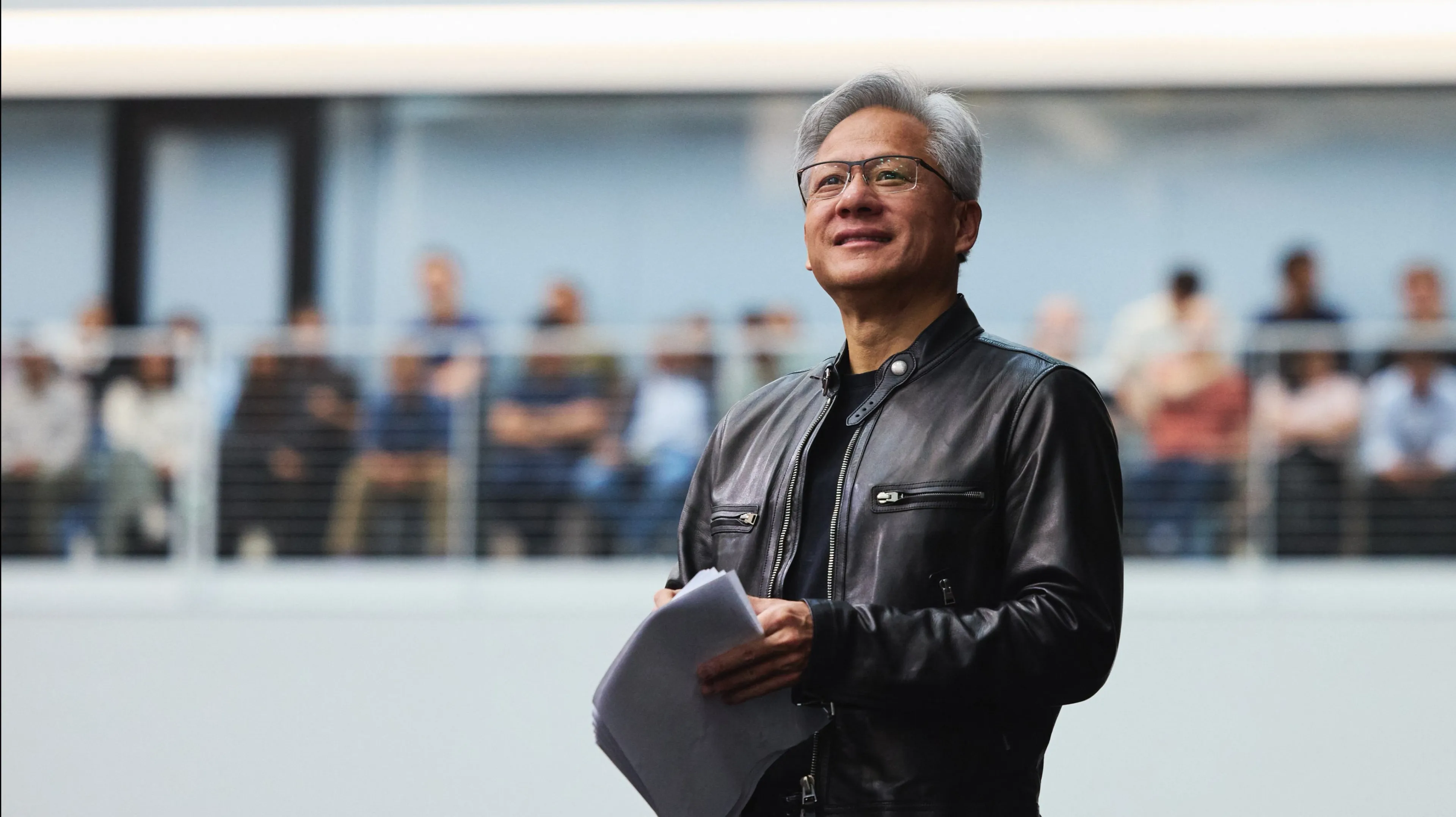
"If Huang leaves, Nvidia's stock will plummet, having lost all support," said Jay Goldberg, an analyst at Seaport Research. He is the only one on Wall Street who holds a "bearish" view on the company.
It's not just Nvidia that's at risk
Huang’s possible resignation would have far-reaching consequences for the entire AI industry, warns The New York Times. Nvidia is one of the key pillars of the AI boom. It controls 90% of the market for chips used in major projects that drive the growth of the U.S. economy. Moreover, the company serves as both a major investor and lender to many hardware manufacturers and cloud providers.
Huang has played a major role in driving capital into AI infrastructure development by helping companies secure funding to purchase Nvidia chips, noted Morningstar senior analyst Brian Colello. Without the personal involvement of one of the industry’s most influential executives, raising capital could become more expensive, he believes.
This article was AI-translated and verified by a human editor