Nvidia's forecast for next year sent its stock soaring after the earnings report. What did the company promise?

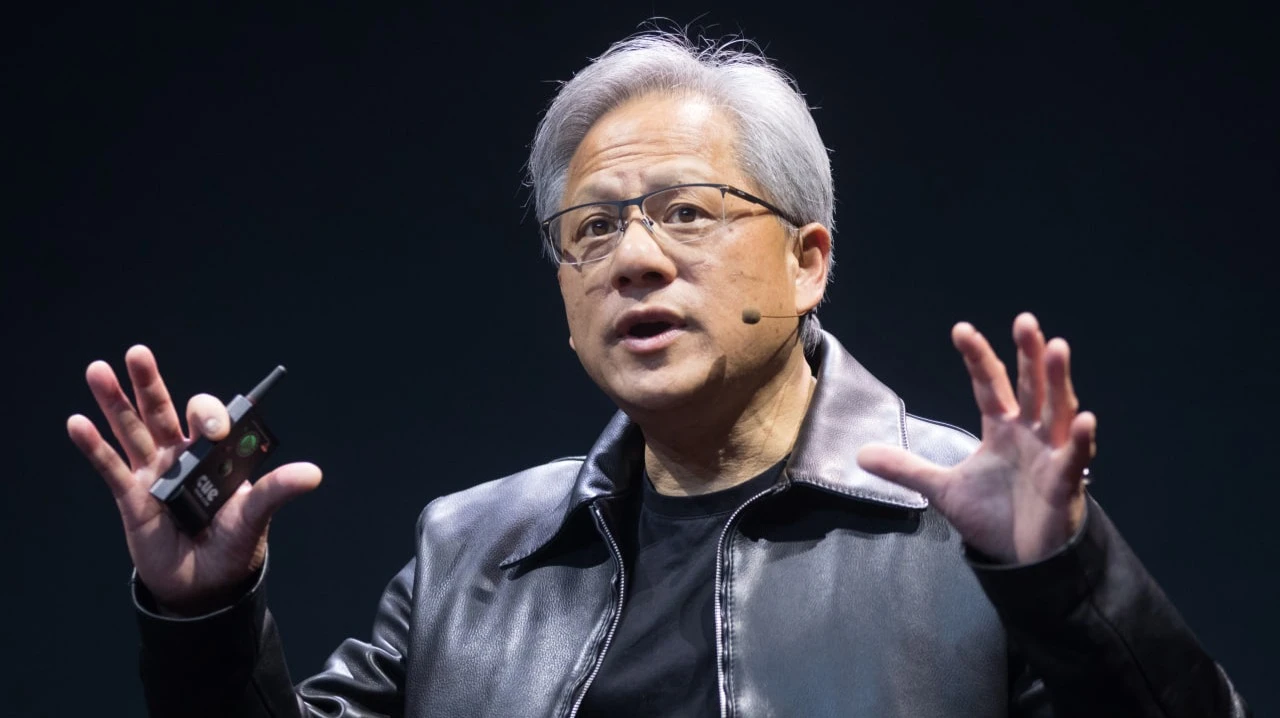
Photo: jamesonwu1972 / Shutterstock.com
Nvidia's announcement that revenue is expected to grow by approximately 70% in the next fiscal year sent shares of the world's most valuable company soaring and boosted other AI-related stocks. Last quarter, the chipmaker more than doubled its revenue, beating analysts’ expectations by the widest margin in two years, according to CNBC. However, the forecast of declining margins in the coming months due to a sharp rise in memory chip prices fell short of Wall Street estimates.
Investors, who have come to expect exceptional results from Nvidia, reacted with a sell-off in after-hours trading. However, a conference call with top management dispelled fears of a slowdown in the AI boom, according to Bloomberg.
Details
In fiscal year 2028, which will begin in January 2027, Nvidia’s revenue will grow by about 70%—even though supply will still be unable to fully meet demand, the company’s CFO, Colette Kress, said during a conference call to discuss the quarter’s results. The consensus forecast among analysts surveyed by Bloomberg had projected that the figure would increase by only about 45%.
“It’s hard to believe, but even at our current scale, we’re seeing demand accelerate,” Kress noted. “Our clients’ forecasts indicate that our growth could double next year.”
Jensen Huang, the head of the chipmaker, clarified that demand itself is actually growing faster—by nearly 100%—and that the 70% forecast is based on how much product the company will actually be able to ship.
Following these statements, Nvidia’s stock—which had fallen in after-hours trading immediately after the release of its quarterly earnings report—rebounded and was up 4.2% at the time of this writing. If this gains momentum during the regular trading session on Thursday, August 27, the company will break its long streak of post-earnings declines.
Along with Nvidia, other AI-related companies also saw their stock prices rise in after-hours trading. Shares of AI cloud computing providers CoreWeave and Nebius gained 5.5% and 6.5%, respectively. Shares of memory manufacturers also rose after Nvidia announced that it had increased its commitments to purchase components: SanDisk rose 3.7%, Western Digital rose 2.7%, and Micron rose 3.6%. Futures on the Nasdaq 100 technology index jumped 1.2%.
Are Nvidia's circular transactions a problem?
Another concern among investors—one that Nvidia’s top executives sought to address during the conference call—relates to the company’s so-called circular transactions. Over the past year, the company has entered into investment agreements with major players in the AI industry—including both software developers and infrastructure providers. These agreements and the promised financial support could, in theory, create obligations for the chipmaker amounting to tens of billions of dollars. Skeptics fear that such financing could artificially prop up demand for the company’s AI chips, according to Bloomberg.
“The only thing I regret is that I didn’t start investing sooner and invest more,” Huang said during a conference call. According to him, such deals will accelerate the adoption of AI, which, in turn, will create additional demand for chips. At the same time, the head of Nvidia is confident that the companies in which it invests will use its computing power for a significant portion of their computations.
Kress also dismissed concerns about “circular financing.” “We see it differently. We believe that these investments—given the strength of demand from these companies, the business they generate for us, the ecosystem they’re building on the Nvidia platform, and the return on our invested capital—will yield excellent returns, and our risks are limited,” the CFO said.
The Threat of Competition from AI Giants
During the conference call, investors asked Nvidia executives how the company felt about the fact that some of its largest customers are investing in the development of their own chips, while Nvidia itself continues to invest in these customers and support their infrastructure projects.
“We’re creating something completely different,” Huang replied. He emphasized that Nvidia’s technology can run anywhere and on any cloud, which sets it apart from specialized chips designed for specific needs. Off-the-shelf server solutions are currently sold only on the basis of software and chips from Nvidia and its competitor, AMD.
However, Huang did not explain to what extent hyperscalers might reduce demand for Nvidia's AI chips through their own developments.
What else affected the stock prices?
A deal with Amazon may have provided additional support for Nvidia’s stock in after-hours trading, according to Bloomberg. The hyperscaler has committed to adding another 2 million of the company’s chips to its data center fleet over the next two years. Amazon is among the companies that continue to place a major bet on Nvidia products, despite developing its own alternative processors, the agency notes .
This article was AI-translated and verified by a human editor