What's Important in Small-Cap Stocks: Risks Associated with Webull, Levi's Outlook, and Vaxcyte's Success


Webull's operations in China put U.S. investors and their data at risk, according to the U.S. House of Representatives Special Committee on China / Photo: Facebook / Webull
Webull’s ties to China pose risks to U.S. investors and their data, a U.S. congressional committee said. Levi Strauss reported revenue growth, but direct sales in the U.S. were disappointing: the company had bet on baggy jeans, while demand had shifted toward low-rise styles. Shares of biotech company Vaxcyte soared nearly 31% following a successful trial of a vaccine against pneumococcal infections. Highlights from the small-cap sector for the week of October 5–9 are featured in the Oninvest digest.
The brokerage firm Webull has been accused of posing a threat to U.S. national security
The Webull trading platform has ties to the Chinese government—this poses a threat to U.S. national security in the financial sector, according to a conclusion reached by the House of Representatives’ Special Committee on China, CNBC reported. Webull has 28 million registered users worldwide, and client account assets total $28.5 billion, according to the company’s data as of the end of June 2026. During trading on Wednesday, October 7, Webull’s stock fell 19.09%.
The next day, the broker disputed the committee's findings and stated that U.S. clients' data is stored in the United States and that access to sensitive information is controlled by employees in the United States.
Webull was founded in 2016 by Wang Anquan, a former manager at Alibaba and Xiaomi. According to a committee report obtained exclusively by CNBC, many of the company’s business processes, personnel, and infrastructure are subject to Chinese law, which allows authorities to require companies to hand over data.

Shares of vaccine developer Vaxcyte rose following successful trials
Biotech company Vaxcyte announced the successful testing of a vaccine against pneumococcal infections, which cause a number of serious diseases. The company's stock soared 30.7% on October 5.
VAX-31 covers 31 pneumococcal serotypes—more than Prevnar, which protects against 20 bacterial strains (from Pfizer), and Capvaxive (from Merck), which protects against 21 strains. In a Phase III trial, the vaccine met all pre-specified primary endpoints for immune response and safety.
The company plans to submit a registration application for VAX-31 in the first half of 2028 and expects the results of the vaccine’s mid-phase trials in infants by the middle of next year. Many countries around the world include vaccination against pneumococcal infections in their national immunization schedules.
Following successful trials, at least two Wall Street analysts raised their price targets for the company’s stock and reaffirmed their “buy” recommendation. According to MarketWatch, Vaxcyte shares have a total of nine “Buy” ratings and only one “Hold” rating. The average price target of $114.80 implies an upside potential of 80% from the last closing price.

Levi's sales have declined due to changing fashion trends
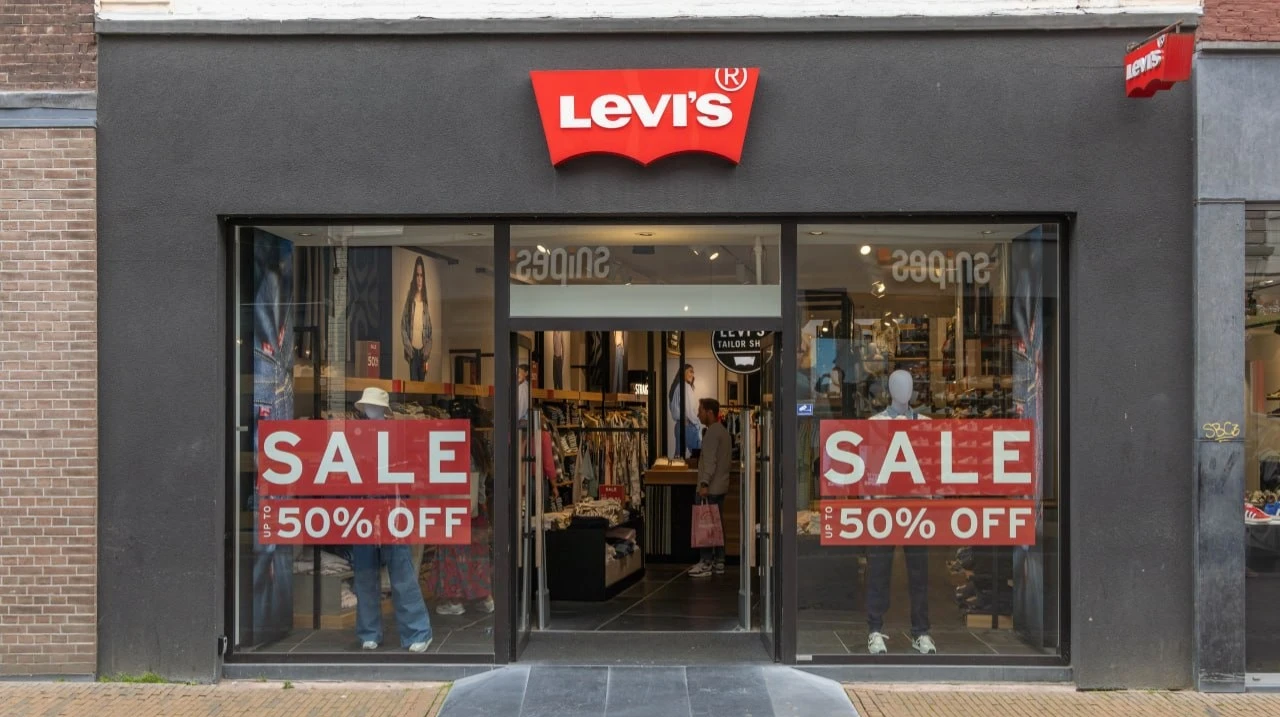
Denim apparel manufacturer Levi Strauss reported a 4% year-over-year increase in revenue for the third quarter of fiscal year 2026, to $1.61 billion. Analysts had expected $1.62 billion, according to The Wall Street Journal.
Due to shifting fashion trends, direct-to-consumer sales declined by 1% in the U.S. and 2% in Europe during the reporting period, falling short of the company’s own expectations. The company misjudged its bet on baggy jeans in its back-to-school advertising campaign: demand in the U.S. shifted toward low-rise styles. The duty refund supported third-quarter profits, and the company factored it into its upwardly revised annual forecast.
Levi's has raised its full-year adjusted earnings per share (EPS) forecast—it now expects $1.54–1.56, up from the previous forecast of $1.46–1.52. The revenue forecast has also been revised; full-year revenue is now expected to grow by 7%, which is at the lower end of the previous forecast range of 7–7.5%.
Wall Street is bullish on Levi Strauss: 13 analysts have issued “buy” recommendations, while four recommend holding the company’s stock. The average price target is $26.8, which is about 40% higher than the most recent closing price.

Citi recommended buying Harley-Davidson stock
Analysts at investment bank Citi recommended buying shares of motorcycle manufacturer Harley-Davidson ahead of the release of its quarterly earnings report. Citi upgraded the company’s stock rating from “hold” to “buy” and raised its price target by 6.5% to $33, which implies a 23% upside relative to the last closing price.
Citi analyst James Hardiman believes that Harley-Davidson’s business recovery is gaining momentum following a multi-year decline in sales, which led to a 41% drop in the stock price since the end of 2022. Citi finds the company’s retail sales growth in North America encouraging: in the first quarter, sales rose 14% year-over-year; in the second quarter, they rose 3%; and in September, the growth rate may have already reached double digits, according to CNBC. CNBC expects Harley-Davidson to report its quarterly results on October 28.
Overall, analysts are not rushing to share Citi’s optimism: the stock has nine “hold” ratings and six “buy” ratings. Four analysts recommend selling the stock. The average price target is $28, which is 4.5% above the last closing price.