NYT: A Woman Acquainted with the Nvidia CEO Is Suspected of Working for Chinese Intelligence
Trump learned of the intelligence agencies' findings a year ago, but took no action

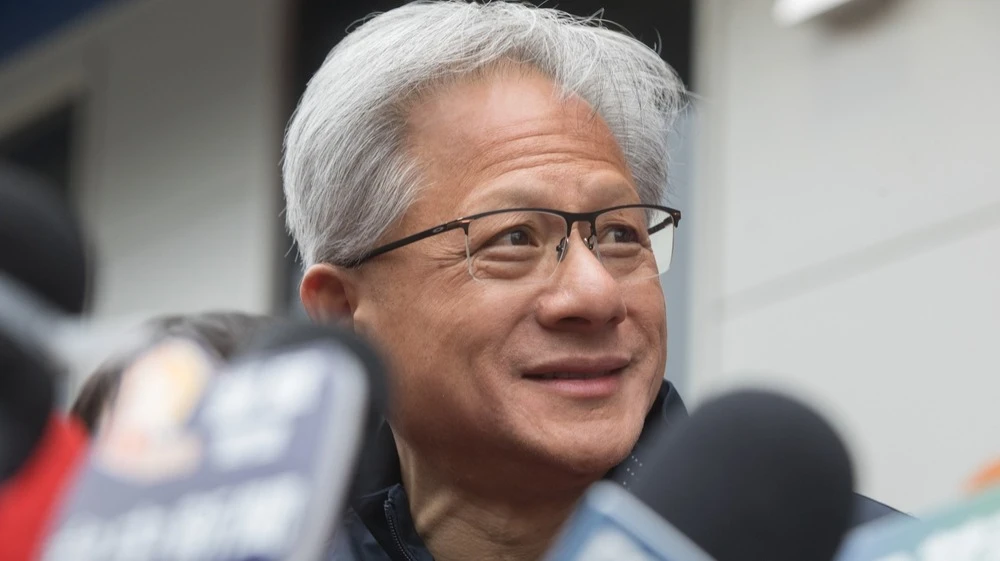
Huang did not receive any warnings from U.S. intelligence agencies that he had become the target of foreign intelligence services / Photo: jamesonwu1972 / Shutterstock.com
U.S. intelligence agencies have concluded that Alice Huang (Huang Lei), a Chinese citizen and close acquaintance of Nvidia CEO Jensen Huang, was passing intelligence to Beijing, The New York Times reports, citing sources. U.S. President Donald Trump was informed of these findings about a year ago but decided not to take any action: he feared it would harm Nvidia’s chip sales and further complicate trade relations with China, the newspaper reports.
Details
Alice Huang is a top executive at Megaspeed, a Singapore-based company that leases computing power to companies in China. Her main client is Alibaba, according to the NYT. Huang initially drew the attention of U.S. intelligence agencies due to suspicions that she was helping China circumvent export restrictions on advanced chips for artificial intelligence.
Sources said that electronic surveillance was placed on Huang, during which it was discovered that she had been in contact with a U.S. citizen. Since intelligence agencies are not authorized to monitor Americans without a court order, his identity was established through a “de-masking” procedure—which is how Jensen Huang was identified.
It is unclear exactly when they first met. A newspaper uncovered a photo showing Alice Huang, the head of Nvidia, and other entrepreneurs chatting at a bar in Taipei after a technology expo in June 2024. A year later, in May 2025, they were seen together again in Taipei—leaving a restaurant after dinner with suppliers, where journalists were waiting for the Nvidia CEO.
The conclusion that Beijing was receiving information from a person with direct access to Huang—one of the most influential figures in AI and a close associate of Trump—has raised concerns in the White House, according to the NYT: Jensen Huang may have had access to the U.S. president’s position on an issue important to both countries. It remains unclear whether Alice Huang could have received information about Nvidia itself—a company that is largely responsible for the U.S.’s leadership in the development of cutting-edge AI models.
Initially, U.S. officials did not believe that the head of Nvidia was aware of Alice Huang’s intelligence role; however, some high-ranking officials in the Trump administration doubt that he could have remained unaware, the NYT reports, citing sources.
However, Huang did not receive security briefings from intelligence agencies—the kind of warnings typically given to Americans who have become targets of foreign intelligence, sources told the NYT. According to them, surveillance of Alice Huang continues, and companies associated with her have continued to purchase Nvidia chips this year.
How did the parties react?
Nvidia stated that Megaspeed is a typical regional customer, and that the company had already investigated and refuted the allegations of chip smuggling to China. “Jensen’s contacts with Ms. Huang are nothing unusual or unexpected; meeting with clients is part of a CEO’s job, and Jensen interacts with thousands of executives from client companies every year,” said an Nvidia spokesperson.
According to him, Nvidia is confident that if U.S. authorities considered anyone a threat to American industry, they would have notified the company, and customers such as Megaspeed receive only routine business information—not Nvidia’s trade secrets or information relevant to national security.
Alice Huang did not respond to requests for comment, and it is unclear how closely she remains associated with Megaspeed. The company stated that it takes the allegations “extremely seriously” and is conducting an internal investigation.
The White House, the CIA, and the National Security Agency declined to comment. A spokesperson for the Chinese Embassy in Washington called the allegations against Alice Huang “baseless slander” on the part of the United States.
Context
The U.S. has been investigating Megaspeed since 2024. The investigation began after a Ministry of Trade official visited the company’s data center in Malaysia and deemed the facility suspicious: equipment purchased from Nvidia remained in its boxes, indicating it was in transit rather than installed. From June 2024 to February 2026, Megaspeed’s Malaysian subsidiary purchased at least $4.8 billion worth of Nvidia equipment—an impressive sum for a little-known company, the NYT notes.
Huang, who wields influence in the White House on technology policy issues, successfully lobbied after the start of Trump’s second term to ease regulations on the AI industry and relax restrictions on the sale of Nvidia chips to China, and also negotiated with the president the terms under which the government would receive 25% of the revenue from a portion of the chips authorized for sale to China. Nvidia also contributed at least $20 million to a fund for the construction of a ballroom during the Trump administration. In September, Huang held a place of honor at a dinner Trump hosted in honor of Chinese President Xi Jinping.
According to current and former U.S. officials, the close relationship between the president and Huang hindered efforts to restrict Nvidia’s overseas chip sales. As sources told the NYT, some investigations and proposals to impose trade sanctions against China or Nvidia have effectively stalled.
This article was AI-translated and verified by a human editor