Oil prices halted their downward trend, while 10-year Treasuries hit a new high since 2007


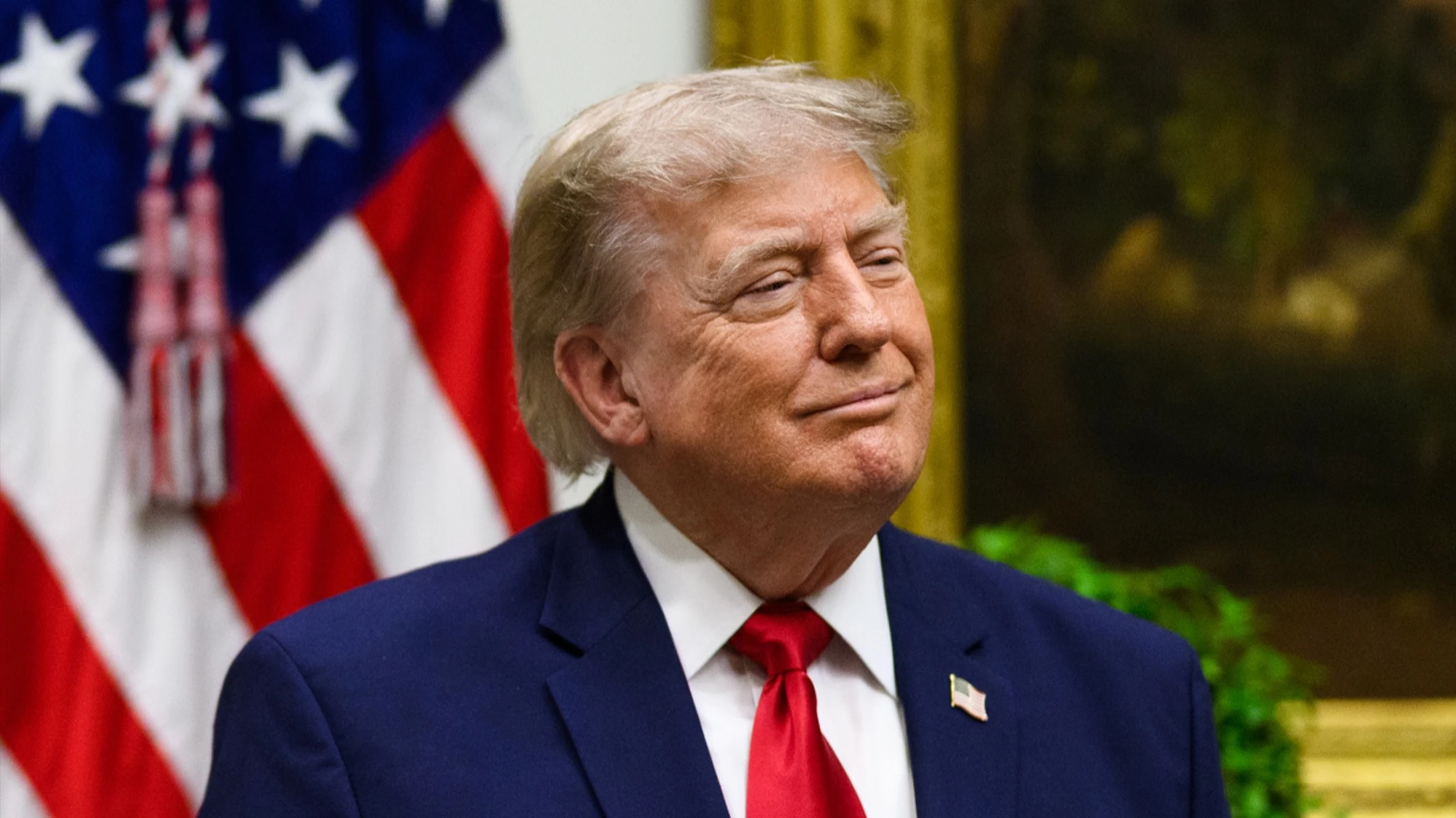
If hopes for a resolution in the Middle East are dashed, a resumption of rising oil prices will trigger a new wave of Treasury sell-offs, Wall Street analysts warn / Photo: Shutterstock.com
The price of Brent crude oil has broken its longest losing streak of the year, rising back above $100 per barrel, according to Bloomberg. What's happening in the markets:
— As of this writing, November Brent futures were up 2.3%, trading at nearly $101.50 per barrel. WTI crude futures rose 1.6%, approaching the $92 mark.
— Against the backdrop of rising oil prices, U.S. stocks fell. The Nasdaq Composite Index saw the sharpest decline, losing more than 1%. The S&P 500 index fell 0.6%, while the Dow Jones fell less than 0.2%.
— The rise in U.S. Treasury yields also put pressure on stocks; yields continued to climb following the release of data showing that business activity in the country had accelerated to its fastest pace in more than five years. The yield on 10-year Treasuries reached 5.058%—its highest level since July 2007, according to CNBC. The yield on 2-year Treasuries rose by nearly 10 basis points to 4.874%.
Context
Geopolitics remains the focus of investors’ attention, according to Bloomberg. Markets are counting on a resolution to the situation in the Middle East to serve as a catalyst for growth in demand for risky assets. Earlier, U.S. President Donald Trump announced progress in negotiations with Iran. These initial consultations between the two countries have been ongoing since around mid-June—shortly after the signing of a short-lived ceasefire. Iranian President Masoud Pezeshkian is scheduled to deliver a speech at the UN General Assembly, and the Iranian news agency IRIB reported that Tehran has taken a “firm stance” on the issue of resuming shipping through the Strait of Hormuz.
What People Are Saying in the Market
Despite hopes for a diplomatic breakthrough, it remains unclear whether there has been any real progress toward a formal agreement to reopen the strait, notes Ian Linghen, a strategist at BMO Capital Markets.
“If hopes for a diplomatic breakthrough prove to be in vain, a resumption of rising energy prices will trigger a new wave of selling in the Treasury bond market,” he said. “Conversely, a continued decline in energy prices will bolster demand for Treasuries.”
UBS Global Wealth Management’s base-case scenario assumes limited disruptions to energy supplies and an inflationary shock that will not be severe or prolonged enough to slow economic growth, said Ulrike Hoffmann-Burkhardi, Chief Investment Officer for North and South America and Head of Global Equities. However, she acknowledged that the conflict could still escalate, which would put additional pressure on the energy market.
This article was AI-translated and verified by a human editor