"The U.S. Is the Grand Prize": How Revolut and Nubank Plan to Conquer the American Market


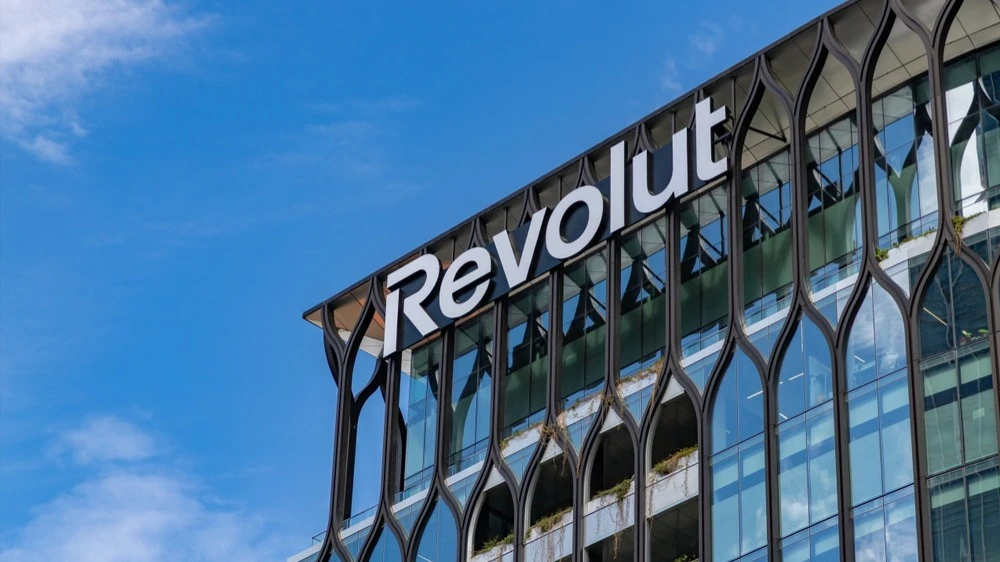
Revolut currently has a limited presence in the U.S. market and plans to expand it once it obtains full-fledged regulated bank status. Photo: Below the Sky/Shutterstock
The world’s two largest digital banks, Revolut and Nubank, received conditional approval for licenses in the U.S. this year and are now simultaneously preparing to expand their presence in the country. The Financial Times describes how they are competing for a share of an oversaturated market and what rewards might await the winner in the end.
How Revolut Is Conquering the U.S.
Revolut currently has a limited market presence and plans to expand it once it obtains full-fledged regulated bank status, according to the FT. The British fintech startup needs to gain a foothold among U.S. consumers in the coming years to continue justifying its $115 billion valuation ahead of its initial public offering (IPO), scheduled for 2028. The company prefers the U.S. as the venue for its stock offering, while also considering the possibility of a dual listing in London, Revolut CEO Nick Storonsky noted earlier.
"This is an incredibly important market for Revolut's expansion, and we are absolutely committed to succeeding here," Revolut's U.S. head, Chetin Duransoy, told the FT.
He said that during the initial three-year period of close regulatory oversight, the bank intends to launch checking, savings, and lending products, including credit cards and installment plans. Revolut also plans to introduce business accounts and business loans, and eventually enter the mortgage market.
How Nubank Is Conquering the U.S.
Brazilian neobank Nubank, backed by investors such as Berkshire Hathaway, Sequoia, and Tiger Global, went public in the U.S. in 2021 and has long had its sights set on the American banking market. The company’s business model is a kind of “global hypothesis” and is not limited to Latin America, its founder, billionaire David Velez, told the FT. Like other digital lenders, Nubank points out that the absence of physical branches helps lower costs for customers.
Nubank plans to leverage its experience in consumer lending in the U.S. This business is the foundation of its growth and profitability: this year, the company's quarterly net income exceeded $1 billion for the first time.
The credit card market is "extremely saturated" for high-income customers, but for lower-income groups, "there aren't that many options," Christine Junqueira, FT co-founder and head of Nubank in the U.S., said.
Nubank plans to pay U.S. customers 3.5% on their checking account balances and 4.5% to those who use a credit card. Banks in the U.S. rarely pay interest on checking account balances, according to the FT.
At the same time, Nubank is targeting customers who need to conduct transactions in different currencies through a “global account” in addition to its U.S. account, the FT notes. This account is regulated in Switzerland and allows users from 35 countries to send and spend money worldwide using stablecoins backed by dollars and euros.
What the Experts Think
Gaining a foothold in the U.S. banking sector is no easy task, notes the FT. The market is a complex system governed by federal legislation and a multitude of state-level regulations. Thousands of lenders operate in this market—ranging from small regional banks with close ties to local markets to the largest Wall Street banks with trillions of dollars in deposits and financial institutions that possess vast amounts of customer data.
"It's incredibly difficult to break into this market... Revolut's instant payments were an advantage in the past, but not so much now," said John Cronin, head of SeaPoint Insights, an independent financial research firm.
However, unlike Nubank, Revolut has limited experience in lending, with the exception of experiments with small loans and mortgages in Lithuania, the FT notes. “Revolut doesn’t have deep lending experience,” Cronin agrees, emphasizing that this could lead to “setbacks” ahead of the IPO.
“The U.S. is the grand prize. If you conquer the U.S., it will be bigger than all of Europe,” said Nigel Morris, co-founder of Capital One and head of the venture capital firm QED (an investor in Nubank). According to him, if Revolut plans to go public in 2028, they “will want to demonstrate sufficient results in the U.S.”

Morris believes that the real opportunity for neobanks lies “not in attracting ‘citizens of the world,’” but in targeting American consumers seeking the most favorable terms. The biggest challenge is competing with established credit card providers that offer attractive rewards programs, including airline miles, the FT reports. To lure customers with more favorable offers, new entrants may have to accept losses at first.
“We’ll have to compete on the American playing field,” Morris noted. “I’m not expecting a major breakthrough,” he concluded, expressing confidence that both companies will find their footing within the next two to three years: “It will take them a long time to figure out how to crack this market.”
What Is Known About Banks and Their Plans
Revolut and Nubank have become widely known in their home countries—the United Kingdom and Brazil, respectively—where they have challenged powerful traditional banks, according to the FT.
With 80 million customers in 40 countries, London-based Revolut is the most valuable startup in Europe. In March 2026, the neobank received a full license in the United Kingdom. In June, the company entered the UAE market with the approval of the local central bank, and in July, it received a banking license in Australia. In August, Revolut received approval to operate in France.
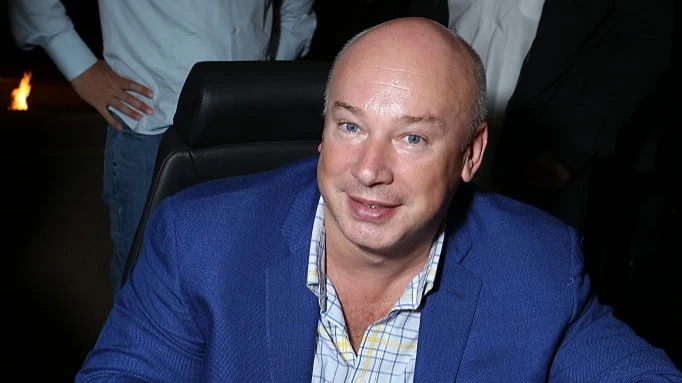
Launched in 2013 as a service offering free credit cards through a mobile app, Nubank has since grown into a fintech giant with a market capitalization of $67 billion. Headquartered in São Paulo, the company has expanded its presence to Mexico and Colombia, and its user base has exceeded 135 million people.
Both companies are now eyeing the fast-growing $160 billion remittance corridor to Latin America, the FT reports.
Attempts by some other banks to break into the U.S. market have failed, the FT adds. Earlier this year, the British digital bank Monzo announced that it would abandon its efforts to obtain a license from U.S. regulators in order to focus on expansion in Europe.
This article was AI-translated and verified by a human editor