Oil prices are rising despite the resumption of Middle Eastern shipments. What's going on?

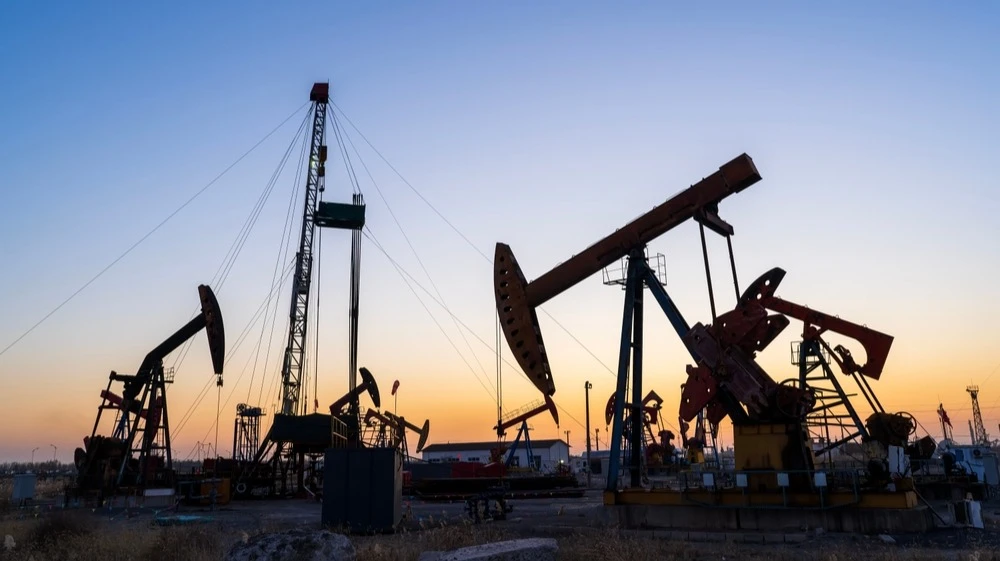
Oil prices are rising despite the resumption of exports from Middle Eastern countries / Photo: zhengzaishuru / Shutterstock
Despite the resumption of oil exports from the Persian Gulf countries, fuel prices continued to rise on Thursday, October 1. “Supply issues remain under close scrutiny as the conflict [in the Middle East] drags on,” The Wall Street Journal quotes a note from Peter Cardillo of Spartan Capital Securities. Reports that Chinese refineries will suspend fuel exports in October are also putting pressure on oil prices, according to CNBC.
Details
The price of December futures for the benchmark Brent crude rose by more than 3% to $101.3 per barrel, while November contracts for U.S. West Texas Intermediate (WTI) crude rose by more than 2% to nearly $93.
Although oil exports from Middle Eastern countries have recovered significantly—including due to the resumption of shipments via Saudi Arabia’s East-West pipeline and other alternative routes—tensions persist in the physical oil markets, according to MarketWatch. Analysts at HSBC, among others, have pointed out that the increase in Middle Eastern exports does not mean the market has returned to normal. Japan’s MUFG noted that fuel shortages, uncertainty regarding future traffic through the Strait of Hormuz, and regional security risks continue to weigh on the physical market. Meanwhile, Spartan Capital Securities emphasized that supply concerns remain the focus, as the conflict continues despite improvements in shipping traffic through the strait.
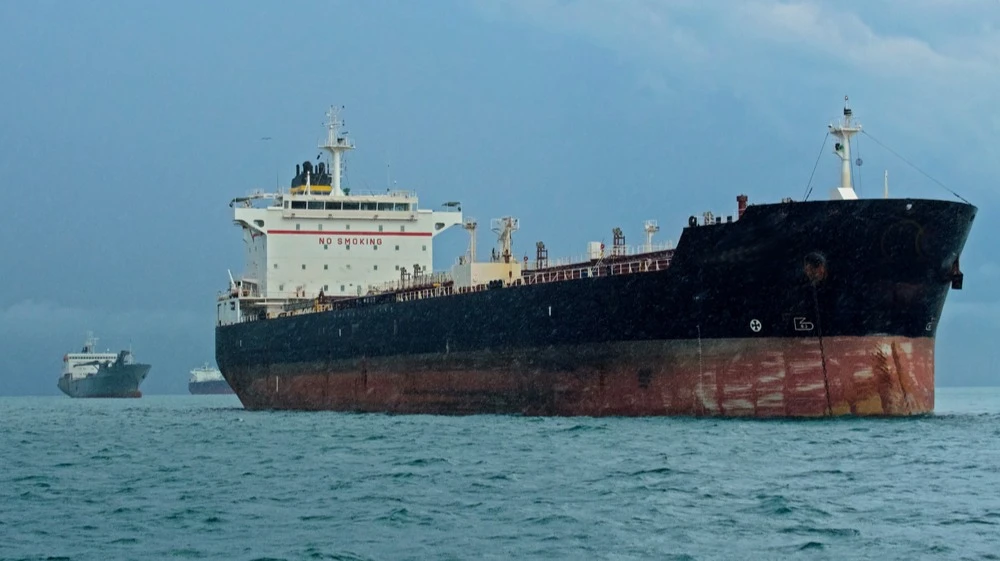
In addition, oil prices were influenced by reports that Chinese refineries will suspend fuel exports in October, CNBC notes. Reuters reported, citing several sources, that the Chinese state-owned oil giant PetroChina had canceled several gasoline and jet fuel shipments scheduled for October, as Beijing seeks to protect domestic reserves.
What Analysts Are Saying
Global markets are grappling with the fallout from the war in the Middle East and Ukraine’s strikes on Russian oil refining infrastructure, and China’s decision could push energy prices in some countries to new highs, Reuters notes.
“This underscores that the [PRC] government’s focus remains on the security of domestic supplies. International markets take a back seat,” said Michal Meidan, director of research on the Chinese energy sector at the Oxford Institute for Energy Studies. Although refineries would like to capitalize on high export margins, and China theoretically has the capacity to increase refining and overseas shipments, exports will remain limited until domestic stocks are sufficient, she added.
Crude oil supplies from the Middle East are approaching prewar levels, but fuel production—particularly gasoline—is lagging behind, according to the research firm UOB.
Although Saudi Arabia has resumed shipping oil to tankers from its port of Yanbu on the Red Sea—following the restart of the “East — West pipeline has not been operating at full capacity, noted David Morrison, senior market analyst at Trade Nation, on September 30 (as quoted by CNBC).
Context
The pause in exports from China followed a recent visit by Chinese President Xi Jinping to Washington, where U.S. President Donald Trump urged him to help stabilize global fuel supplies, Reuters reports. U.S. Energy Secretary Chris Wright stated that the world is facing a loss of diesel fuel exports from the Middle East and China, and that Washington expects Europe to make announcements soon regarding new diesel supplies.
The Trump administration demanded that Germany and France release their strategic diesel fuel reserves to lower prices, threatening to ban U.S. diesel exports if they did not comply.
This article was AI-translated and verified by a human editor