Oil prices rose sharply amid an increased U.S. military presence in the Middle East

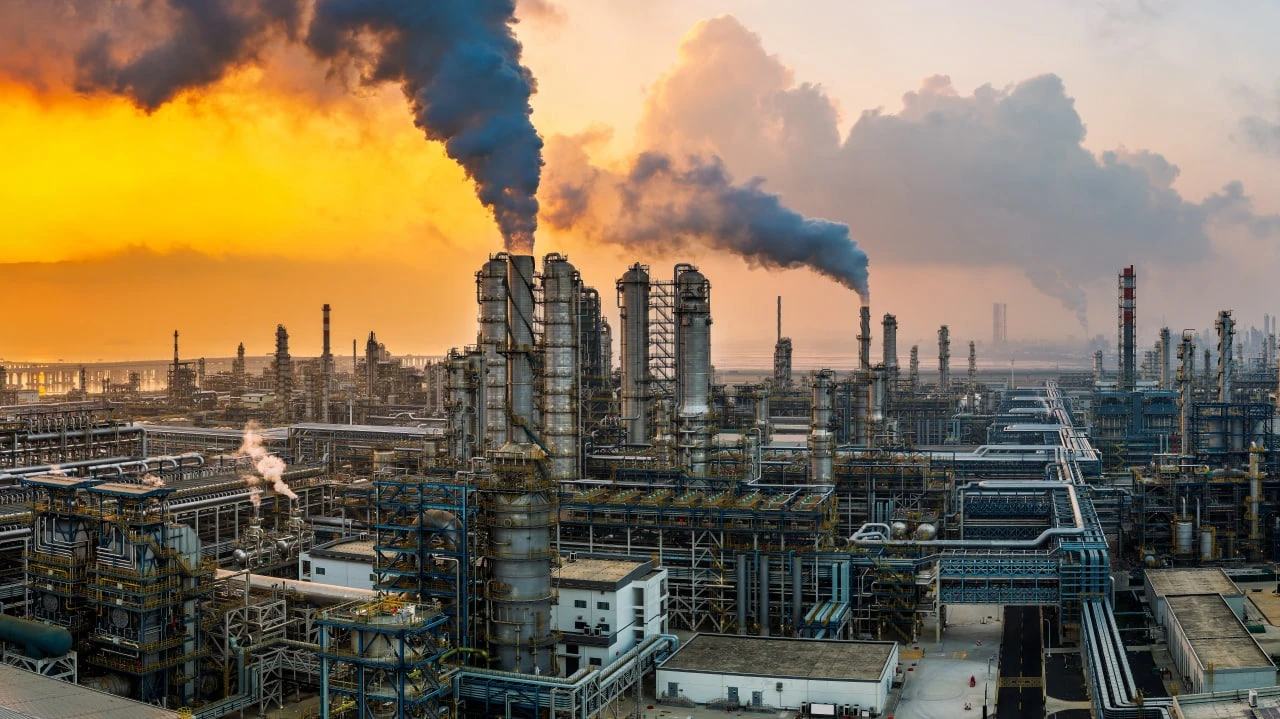
Photo: ABCDstock / Shutterstock.com
Oil prices surged on October 1 following a report in The Wall Street Journal: unnamed U.S. officials told the publication that the U.S. is deploying a third aircraft carrier strike group to the Middle East. Futures for the benchmark Brent crude jumped 4.5% to $102.5 per barrel. Futures contracts for North American WTI crude rose 3% and were trading above $93 per barrel.
According to WSJ sources, the aircraft carrier USS Theodore Roosevelt will arrive in the region by the end of November. At the same time, Washington will deploy Marine Corps ships and up to 10,000 service members there.
The increased military presence may indicate that the U.S. is preparing to escalate hostilities against Iran, CNBC notes. President Donald Trump told his aides that he expects to resume bombing after the midterm congressional elections in November, sources told the WSJ last week.
"I think the president will move toward escalation after the midterm elections (...) Everything is moving toward escalation," said Scott Modell, CEO of Rapidan Energy and a former CIA officer, on CNBC.
Context
Prices are rising even though crude oil shipments from the Middle East have effectively returned to pre-war levels, according to CNBC. However, this recovery is fragile: according to maritime security agencies monitoring the situation in the region, at least three tankers were attacked this week while attempting to pass through the Strait of Hormuz.
Exports of petroleum products from the region remain limited. The world has faced serious disruptions after Ukrainian strikes on Russian oil refineries forced Moscow to ban diesel exports, while Iran and its Houthi allies have stepped up attacks on refineries in the Middle East.
As a result, diesel fuel prices in the U.S. reached record highs last month. President Trump had stated that he was also considering a ban on diesel fuel exports, but in later public remarks, he apparently abandoned that idea, according to CNBC.
At the same time, Chinese oil refiners have canceled several gasoline and jet fuel shipments scheduled for October, sources told Reuters. This could be a sign that Beijing is trying to ensure supplies for the domestic market, the agency reported.
This article was AI-translated and verified by a human editor