One of Wall Street's leading optimists has withdrawn his "bullish" recommendation on the stock

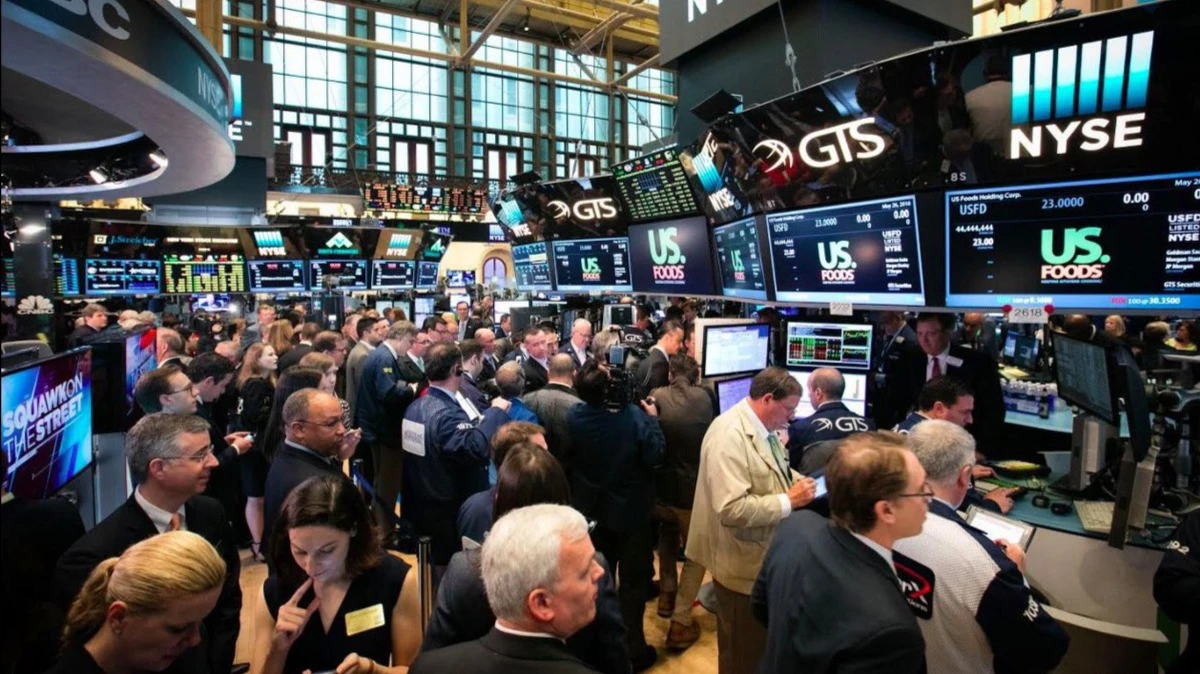
HSBC strategist Max Kettner had previously held an “extremely bullish” stance on stocks, but downgraded it to neutral ahead of the upcoming U.S. election / Photo: X / NYSE
Sudden shifts in investor sentiment call for a more cautious approach ahead of next week’s U.S. midterm elections, according to HSBC strategist Max Kettner. He is one of Wall Street’s most optimistic analysts, Bloomberg notes: In previous client notes, Kettner described his stance as “as bullish as it gets.” However, on Monday, for the first time since mid-March, the strategist tactically reduced the equity allocation in his portfolio from an “overweight” position to neutral, the agency notes.
Details
Kettner explained his move by citing investors’ concerns about a possible tightening of regulations on artificial intelligence in the event of a decisive Democratic victory, as well as the risk of a new escalation in the war with Iran. At the same time, Kettner adjusted his position on government bonds from developed countries and increased their weighting to “overweight.”
“Given the constant shift in narratives, we can no longer maintain the same level of certainty,” Kettner wrote. “It now seems that we have to reevaluate our views at least once a week, if not more often.”
Kettner gained fame as one of the first strategists to predict the current “bull” cycle in the stock market. Now, however, he is concerned about the recent rise in oil prices on long-term contracts. “It’s hard to imagine that a clear way out of this situation will emerge anytime soon,” he said.
What's next?
At the same time, the analyst remains optimistic about stocks for 2027. According to him, significant progress toward resolving the conflict with Iran in the coming months “would create a scenario of moderate growth and low inflation that would be favorable for virtually all asset classes.” Stronger-than-expected free cash flow figures from U.S. hyperscalers—which are leading the way in building artificial intelligence infrastructure—as well as a more accommodative Federal Reserve policy, Kettner believes.
Some other analysts share HSBC’s concerns, according to Bloomberg. Bank of America strategist Michael Hartnett believes that investors’ flight from risk—which is currently most evident in the flow of capital toward safer segments of the stock market—will likely continue at least until mid-November. At the same time, Morgan Stanley strategist Michael Wilson stated that the midterm elections should serve as an “event that removes uncertainty”: once the risks associated with them are behind us, stocks may continue to rise.
Context
Over the past two weeks, investors have been selling off technology and AI-related stocks amid concerns about massive spending on artificial intelligence and the sector’s debt burden. From its all-time high set on October 6, the Nasdaq Composite technology index had fallen 6.2% by the close of trading on October 23. However, market sentiment improved on Monday after Anthropic publicly filed documents for its upcoming IPO. The S&P 500 rose nearly 1% in trading on October 26, while the Nasdaq Composite gained more than 1.2%, with technology companies and chipmakers leading the gains.

This article was AI-translated and verified by a human editor