OpenAI May Postpone Its IPO Until 2027 — NYT. What Does SpaceX Have to Do With It?
Advisers have presented OpenAI’s leadership with two options: wait until 2027 and go public with a $1 trillion valuation, or lower the target valuation in exchange for a faster IPO, according to sources who spoke with The New York Times

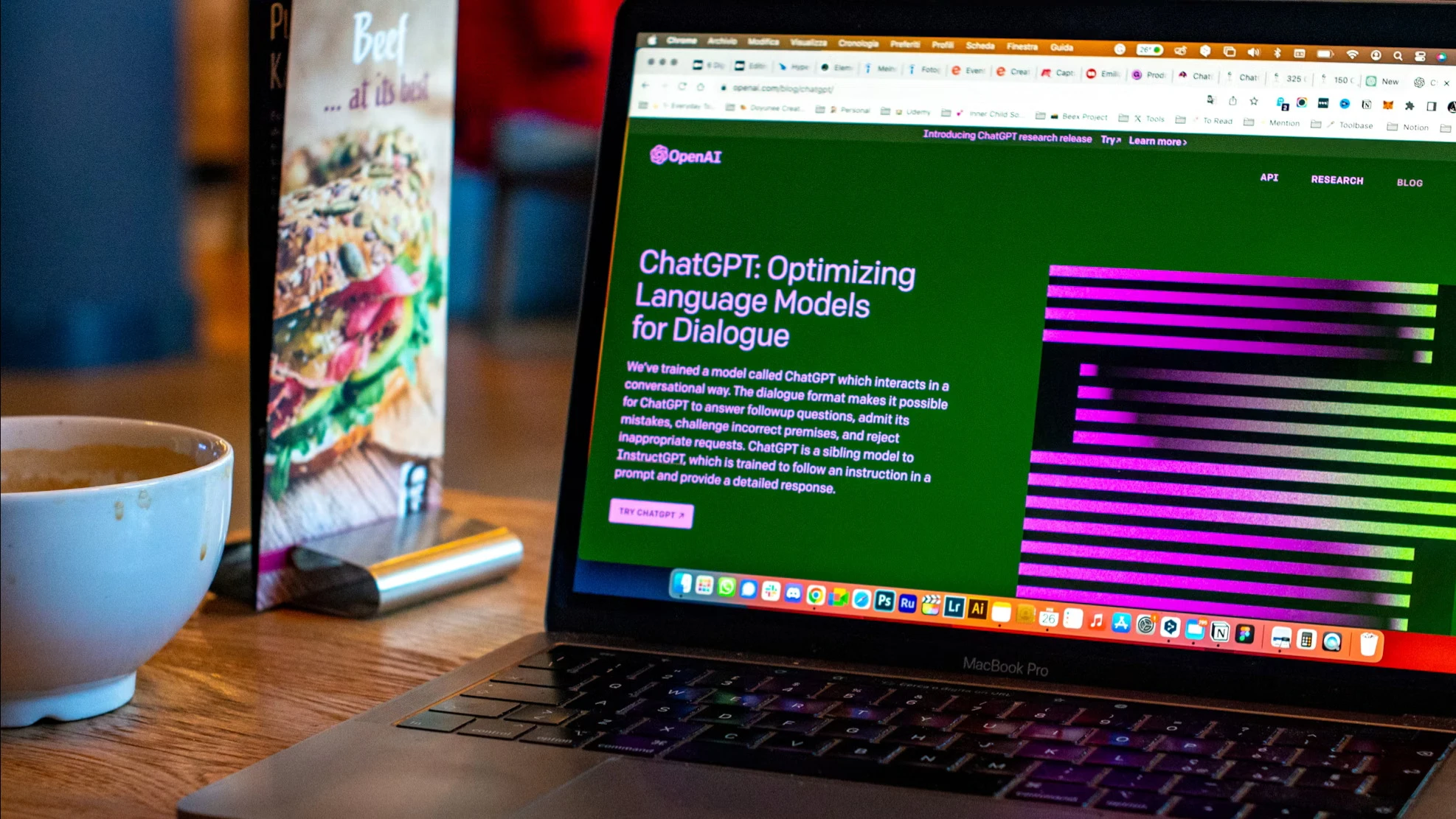
The developer of ChatGPT had previously planned to go public in the second half of 2026 / Photo: Unsplash/Emiliano Vittoriosi
OpenAI is leaning toward postponing its initial public offering until 2027, The New York Times reported, citing sources. Bankers advising the creator of ChatGPT on its IPO plans have warned that the recent volatility in tech stocks, as well as SpaceX’s stock falling back to its opening price a week after its record-breaking IPO, could dampen retail investors’ interest in the offering, the newspaper reports.
Details
A series of recent events in the securities markets has prompted OpenAI’s leadership to scale back its most aggressive plans for an initial public offering in 2026, according to The New York Times. OpenAI’s advisors warned last week that the company might not see much enthusiasm from retail investors for its initial public offering, several participants in those discussions told the newspaper.
The main factor influencing the possible postponement of OpenAI’s IPO was a decline in investor interest in SpaceX shares a week after their initial public offering, according to the NYT. On its debut, trading opened at $150 per share, and within a few days, the price reached a closing high of $202. But since then, shares of Elon Musk’s space company have essentially returned to where they started: at the close of trading on Thursday, June 26, they were trading at $153.
Global markets have also been volatile in recent weeks, the NYT notes: tech stocks dragged indices down as investors wondered whether AI companies would be able to justify the high costs of artificial intelligence infrastructure.
OpenAI consultants presented the company’s leadership with two options: wait until 2027 to go public with a $1 trillion valuation, or lower the target valuation in exchange for a faster IPO. According to one of the publication’s sources, who discussed the matter personally with OpenAI CEO Sam Altman, Altman replied that any deviation from the $1 trillion valuation was unacceptable.
An OpenAI spokesperson declined to comment to The New York Times.
Context
On June 9, OpenAI confidentially filed documents for an IPO with the U.S. Securities and Exchange Commission (SEC). The creator of ChatGPT has hired investment bankers and lawyers with the aim of potentially going public as early as the third or fourth quarter of this year, according to sources cited by the NYT. OpenAI CEO Sam Altman pressed his advisors to find a way to value the startup at $1 trillion—higher than the company’s latest private valuation of $730 billion, sources told the newspaper.
A $1 trillion valuation on the public market—which would exceed Walmart’s market capitalization—would be staggering for OpenAI, a startup that has yet to turn a profit and is aggressively spending on new data centers, the NYT reports.
What does this mean for the market?
OpenAI’s decision to put its IPO plans on hold could disappoint Wall Street and Silicon Valley, according to the NYT. Initial public offerings by OpenAI and its competitor Anthropic—which has also announced that it is preparing for a Wall Street debut—could spark a wave of next-generation fundraising, the publication notes.
This article was AI-translated and verified by a human editor