SpaceX debuts, OpenAI is one step closer to the stock exchange: highlights of the IPO by June 14

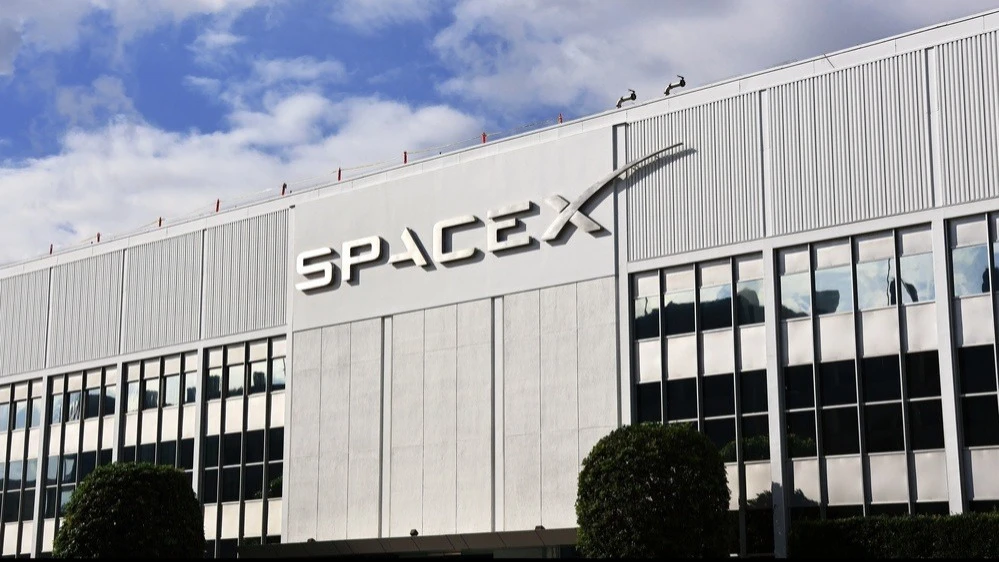
During SpaceX's IPO, demand for the company's stock more than quadrupled the supply. Photo: Walter Cicchetti / Shutterstock
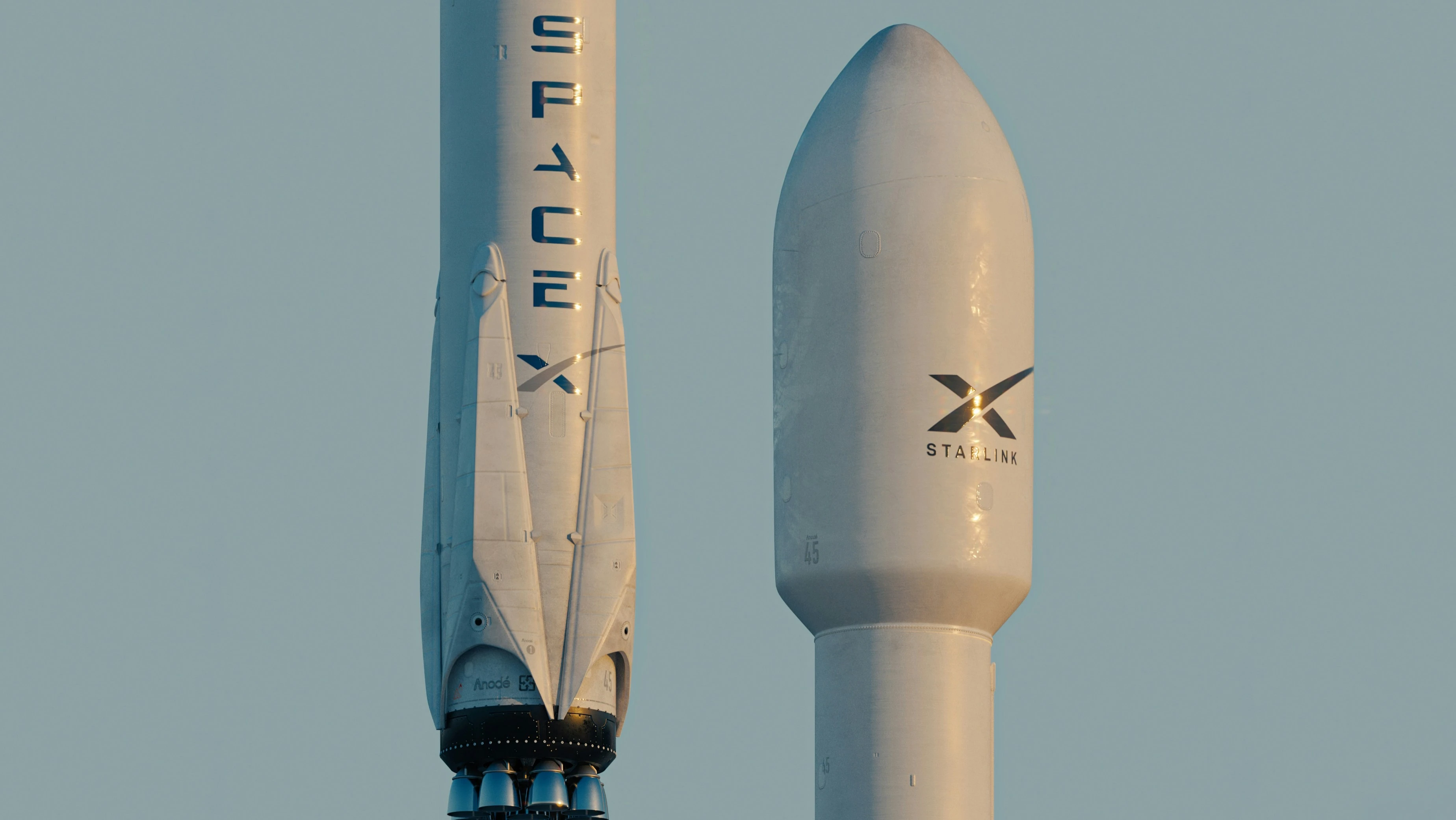
SpaceX held the largest IPO in history and raised a record $75 billion, OpenAI is one step closer to going public, and investors are evaluating the results of recent offerings of companies from the energy, biotechnology and natural resources. The main events on the IPO market over the week are in our selection.
How SpaceX's mega-placement went
- SpaceX raised $75 billion in the largest IPO in history, offering 555.6 million shares at $135 per paper. The space company's valuation reached $1.77 trillion, which will make it one of the most valuable public companies in the United States. During the IPO demand for shares more than four times exceeded the supply, and when exercising the option for underwriters, the volume of placement may grow to $86.2 billion. Elon Musk retained 84.4% of voting rights and did not sell any shares - the value of his share is estimated at more than $ 866 billion. The proceeds from the IPO SpaceX will be used to develop programs Starlink and Starship, as well as projects in the field of AI and space infrastructure.
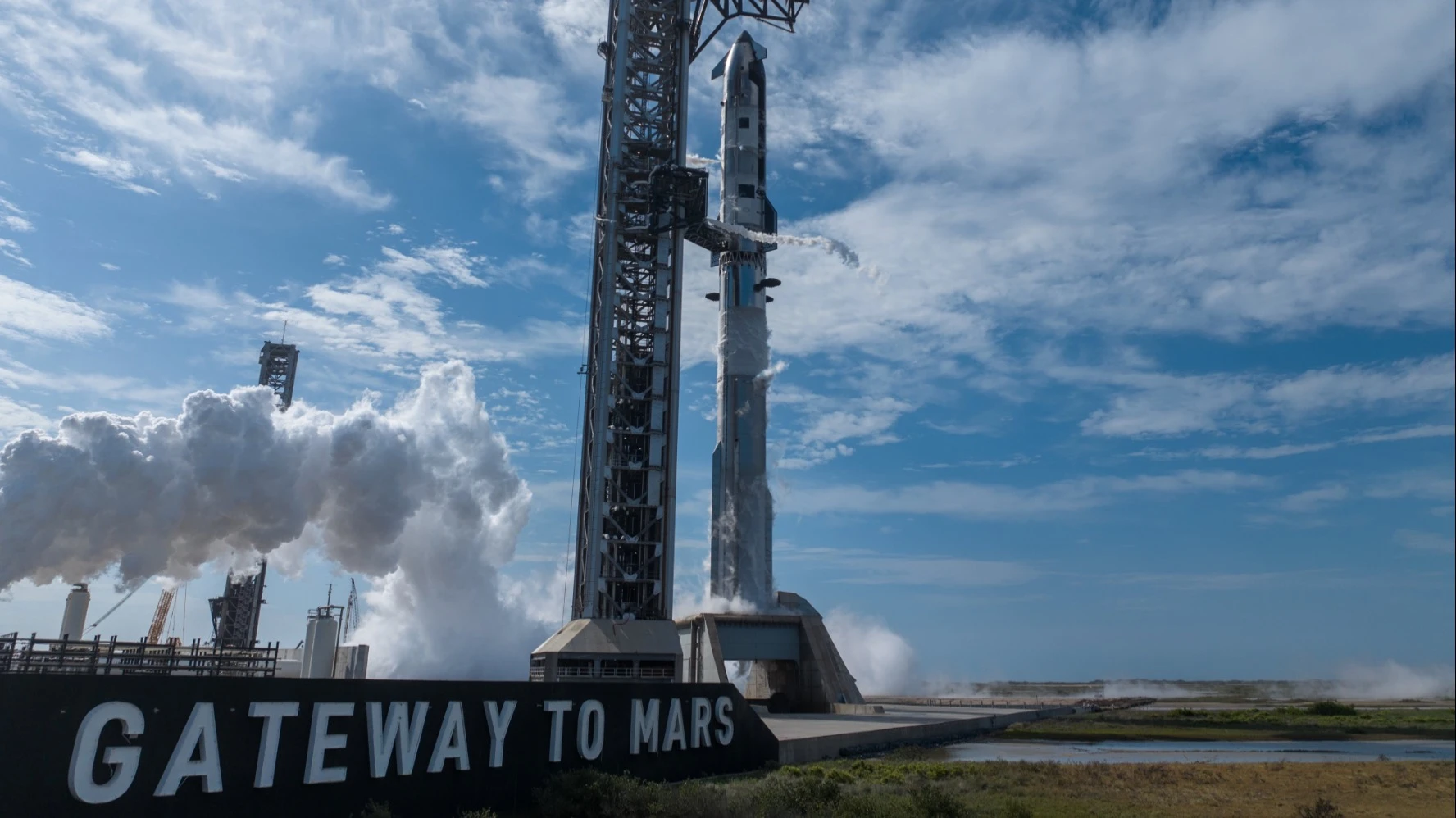
- At the end of the debut trading on Nasdaq, SpaceX shares rose in price by 19%. At the peak during the day they added almost 31%, but slowed down by the end of the session. The company's capitalization amounted to $2.1 trillion.
- Some Wall Street analysts are positive on the company's prospects, with Oppenheimer setting a target price of $190 per share (+40% to the IPO price), New Street Research at $165 (+22%), and Freedom Finance at $159.2 (+18%), noting SpaceX's potential to become a global infrastructure leader in the space, satellite communications, and artificial intelligence industries.
- At the same time, analysts at brokerage firm CFRA gave SpaceX their first "sell" rating, calling the share price overvalued. Their target price for the company's securities is $115 - that's 35% below the value at the end of trading. Morningstar a few days ago called SpaceX twice overvalued and advised investors to wait a few months for a better entry point.
How other IPOs went this week
- Shares of gas generator manufacturer ERock, which raised $600 million in an IPO, fell 12% on the first day of trading on the New York Stock Exchange. Investors found the company's valuation inflated amid execution risks, although demand for its solutions is supported by the AI and data center boom. As of the end of March, ERock's confirmed order book had grown nearly nine times year-over-year to $1.28 billion, about $1.1 billion of which is related to AI data centers. The company is involved in the $10 billion Meta data center power project in Texas and expects to benefit from the growing demand for power for AI infrastructure.
- Biotech company Parabilis Medicines raised $670 million in its IPO, setting a record among venture-backed biotech startups and surpassing Moderna and Kailera Therapeutics. Additionally, the company raised $75 million from Regeneron Pharmaceuticals under a partnership agreement. Parabilis is developing a new class of drugs to target proteins associated with cancer development that are difficult to target with traditional therapies. Its lead candidate, zolucatetide, has already shown encouraging results in the treatment of desmoid tumors, and a Phase 3 trial is scheduled to start in the first half of 2027.
- WhiteHawk Minerals, which owns mineral rights in the largest gas-bearing basins in the United States, raised $200 million in an IPO on the New York Stock Exchange. Its business is based on receiving royalties from natural gas producers on 3.4 million acres, which provides a steady cash flow without the need to drill wells itself. At the offering price, the stock has a dividend yield of about 7.7% versus 1.1% for the S&P 500 index. In 2025, the company generated $67.6 million in revenue and recorded a net loss of $3.6 million. The company said it has maintained its dividend payout even during multi-year lows in gas prices and intends to distribute at least 75% of its available cash flow to shareholders, gradually increasing the dividend.
What has come to light about future placements
- OpenAI has reported a confidential filing for an IPO in the US, but the timing of a possible listing has not yet been determined. The company noted that before going public it wants to implement a number of initiatives that are easier to implement in the status of a private company. Earlier, a similar application was filed by the developer of chatbot Claude - Anthropic. Both offerings may become one of the largest in the history of the technology sector. In late Ma, Anthropic raised funding at a valuation of $965 billion, exceeding OpenAI's valuation of $852 billion in March.
Other important news from the world of IPOs
- Trading platform Robinhood may soon start to play a more prominent role in the market of initial public offerings. The head of the company, Vlad Tenev, said that the brokerage and clearing division of Robinhood Securities has been authorized to act as an underwriter for the offering. He did not specify which regulator issued the approval, although various aspects of the IPO process in the U.S. are overseen by FINRA and the Securities and Exchange Commission (SEC), Barrons notes.
This article was AI-translated and verified by a human editor