'Priced on narrative': How SpaceX could jeopardize other mega IPOs and the AI story
Shares of Elon Musk's SpaceX have slid over 20% in the last three days. Oninvest talked to analysts who see a fundamentals-driven repricing within a year.

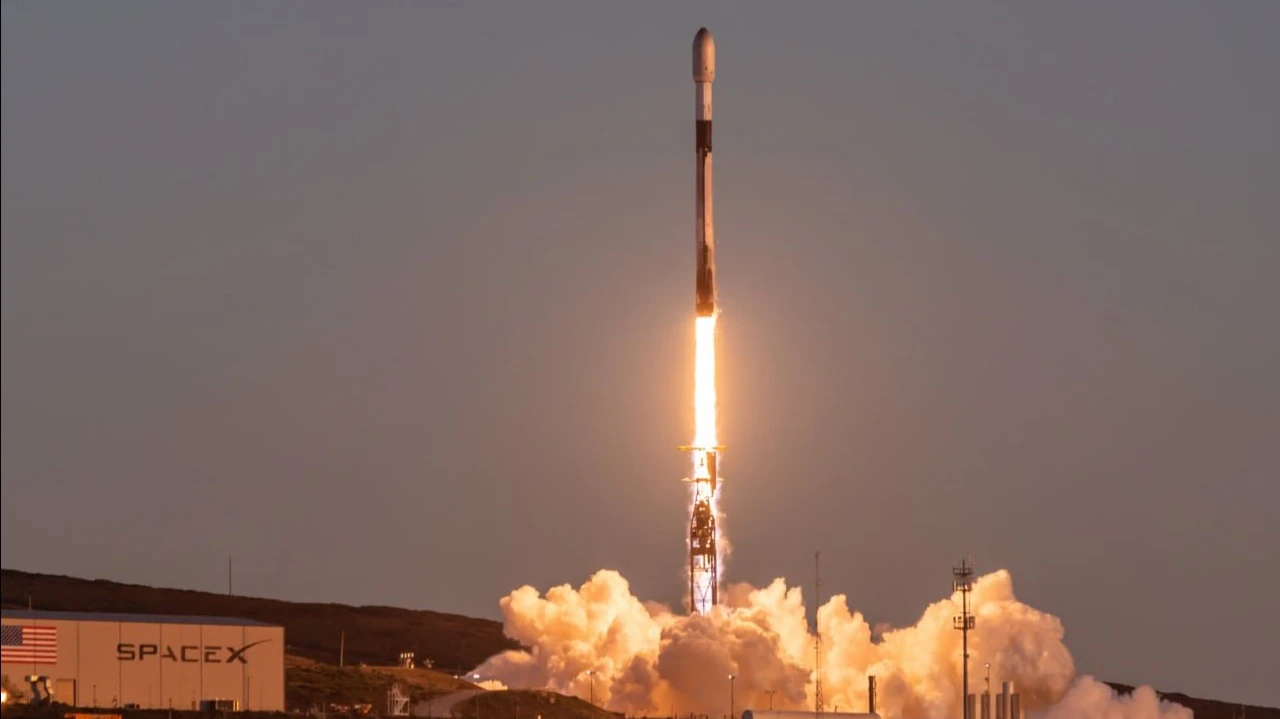
Analysts warn the situation around SpaceX poses risks for other companies preparing to IPO. Photo: SpaceX / X.com
SpaceX shares plunged more than 16% on Monday, and are now off more than 23% over the last three trading sessions. In premarket trading on Tuesday, the stock had dipped below its opening price on its first day as a public company. According to analysts surveyed by Oninvest, the sharp correction in SpaceX shares looks set to worsen market conditions for other large companies lining up for mega IPOs in the foreseeable future.
An expensive lesson
SpaceX completed its IPO at $135 per share and, on Monday, announced its first-ever offering of senior unsecured notes for qualified investors.
The company plans to raise at least $20 billion in debt, Bloomberg reports, with the proceeds to be used to refinance a bridge loan of roughly the same size. Bloomberg sees the offering as potentially marking the beginning of a large-scale borrowing program to finance SpaceX's AI projects. The company's total long-term debt stood at $29.1 billion as of end-March.
Following the IPO, S&P and Moody's assigned SpaceX investment-grade credit ratings of BBB and Baa1, respectively, allowing the company to borrow at cheaper rates.
On the day the planned debt offering was announced, SpaceX shares fell more than 16%, closing Monday at $154.60 apiece. That was roughly 15% above the IPO price. Yet market participants reckon the stock could decline further over the next 12 months.
CFRA Research Senior Equity Analyst Keith Snyder has assigned SpaceX a "sell" rating at a target price of $115 per share. Morningstar, meanwhile, estimates the company's fair value at around $63 per share.
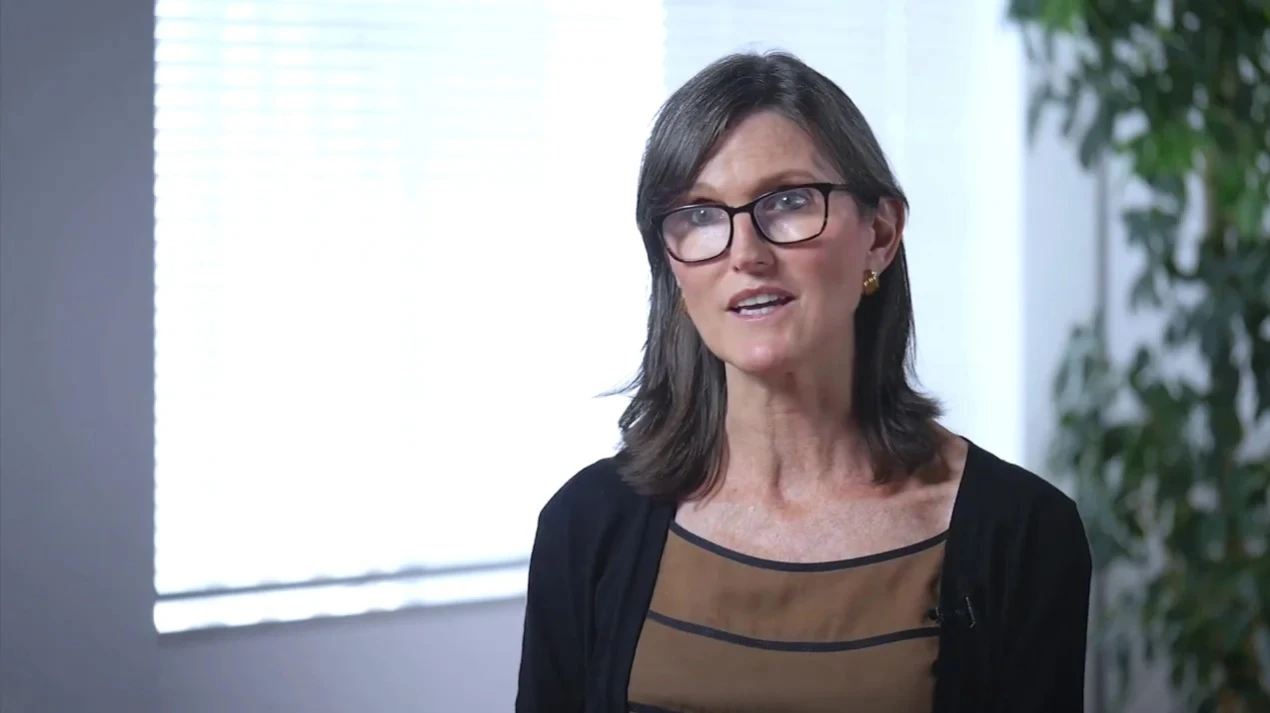
Snyder was the first analyst on Wall Street to rate SpaceX a "sell." In an exclusive comment to Oninvest, he said he could not justify a market capitalization of more than $2 trillion (as of Monday). SpaceX currently trades at a price/earnings ratio of 493.7 times.
These numbers are fantasy numbers, basically. As an analyst, I could not arrive at the numbers we are talking about.

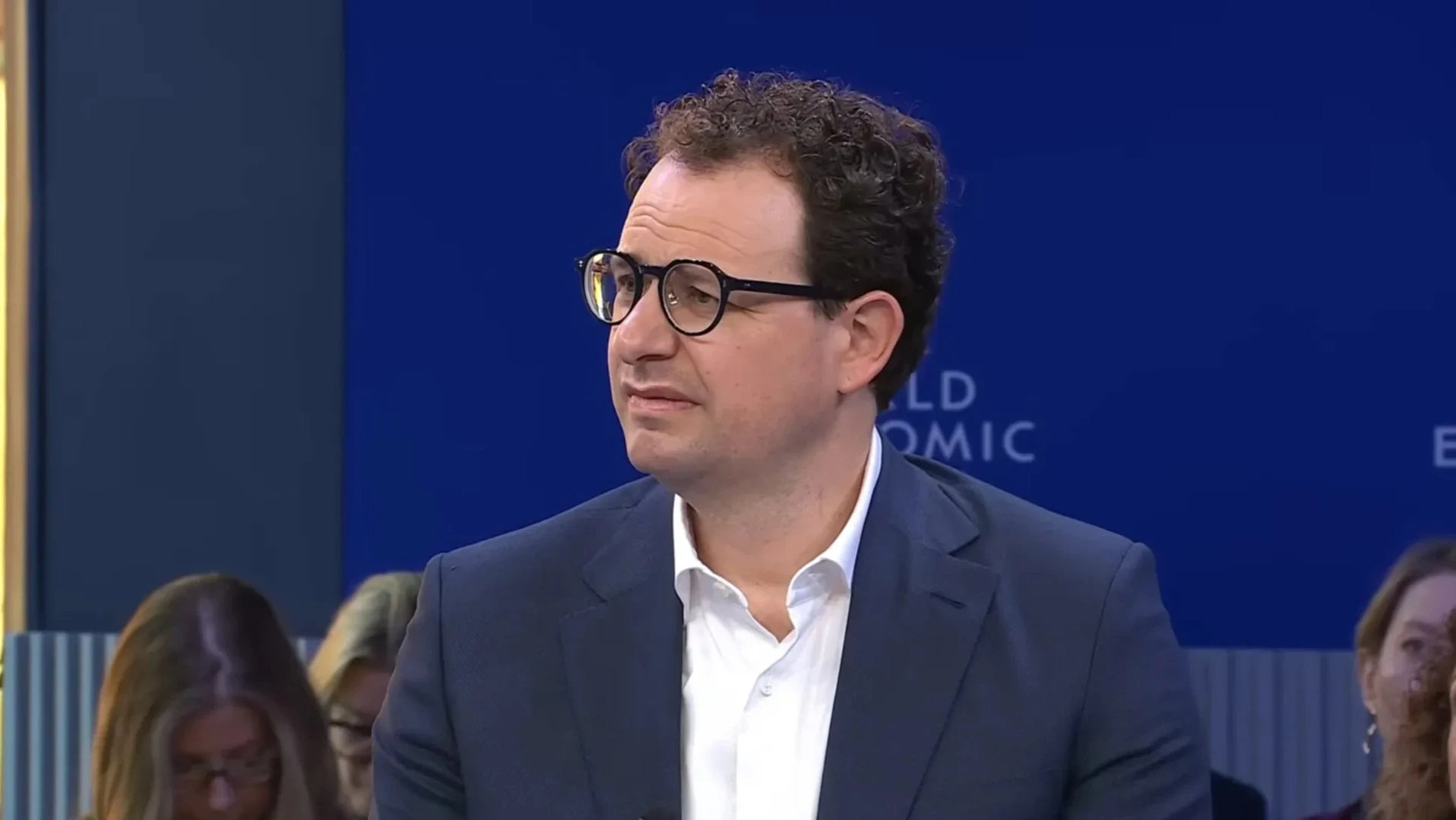
Senior Analyst for Late-Stage Company Research at PitchBook (a branch of Morningstar) Harrison Rolfes described the SpaceX IPO to Oninvest as this year's "marquee deal," which is now trading with a "mega gap" between a disciplined valuation and market price. In his view, when gaps are this wide, investors usually get taught a lesson, with the only question now being when that will happen.
The structure of the IPO itself is another concern flagged by Snyder and Rolfes. Only about 5% of SpaceX shares are currently in free float, making it relatively easy to sustain an elevated valuation as long as demand remains healthy. Under the terms of the IPO, however, the company implemented a phased lockup preventing certain shareholders from selling their shares for certain periods. Shortly after the release of SpaceX's second-quarter earnings, approximately 20% of insider-held shares will become eligible for sale. Another 10% will be unlocked if the stock trades at least 30% above the IPO price in five out of 10 consecutive trading sessions before the earnings report.
Additional lockup periods expire 70, 90, 105, 120, and 135 days after the IPO. In total, insiders could sell up to 44% of SpaceX shares by early September, increasing the current float by roughly 900%, estimates 22V research strategist Jeff Jacobson.
An expensive lesson may be in store for investors if earnings and lockup expiries hit the retail-heavy shareholder base before fundamentals catch up to the price, forcing a repricing that spreads to still-private names preparing to IPO, Rolfes reckons.
The company's financial performance is another source of concern, Snyder of CFRA Research notes. According to the IPO filing, SpaceX generated $4.694 billion in revenue in the first quarter of this year, reported a net loss of minus $4.270 billion, and spent approximately $10.1 billion on capex. Free cash flow (after investments) was deeply negative, and Snyder cautions that future debt obligations could further constrain it.
I'm worried that they're going to start spending recklessly because they have all this cash on hand.

According to his estimates, SpaceX could exhaust the capital raised in its IPO within 2.0-2.5 years if current capex levels persist. Snyder believes the second- and third-quarter earnings will be a good indicator for investors.
The market will pay particular attention to the company's AI segment, Snyder argues. He expects AI revenue to increase tenfold in 2026 to roughly $30 billion. Last year, the segment generated $3.20 billion in revenue and an operating loss of minus $6.36 billion. In the first quarter of this year, the AI-segment top line totaled just $818 million. Snyder highlights that the segment currently depends heavily on two contracts: one with Anthropic, worth $1.25 billion a month, and another with Google for $920 million a month. Snyder points out that this is really the segment's only proven revenue right now, so the company will need to prove that revenue outside of these contracts is growing.
"If they don't say all the right things on Q2 and Q3, I think people will realize that this company should not be valued the way it is. So maybe we should bring our expectations down, and the stock should come down a little bit too," Snyder cautions.
Domino effect
Snyder and Rolfes believe that the situation around SpaceX creates risks for other firms preparing to go public. First and foremost, any repricing of SpaceX could spill over to Anthropic and OpenAI, which confidentially filed for U.S. IPOs in June. Note that Anthropic was valued at $965 billion in its latest funding round, and OpenAI at roughly $852 billion.
If SpaceX's earnings over the coming quarters do not disappoint investors and analysts, the window of opportunity for Anthropic and OpenAI will remain open, Snyder says, and the market should continue to demonstrate a willingness to pay high multiples for AI stories.
If I were OpenAI and Anthropic right now, I would be getting my S-1 put together as fast as possible. They want to cash in on this excitement (about SpaceX). If they can get their IPOs before SpaceX potentially implodes, that would be best for them.

This could materialize very quickly, Snyder explains, with IPOs potentially coming just two weeks after the S-1 filing.
If SpaceX delivers weak earnings, however, its stock is likely to reprice sharply lower. Investors would likely become more demanding toward similar IPOs, insisting on lower valuations and greater transparency regarding paths to profitability.
The "expensive lesson" case sits at the top of the size distribution, where price reflects aspiration rather than fundamentals. SpaceX is the cleanest example.

Rolfes believes the lesson may be delivered as a quality-sorted repricing at the top of the cohort, not a 2000-style crisis, owing to the fact that the supply of SpaceX stock is small. Equity issuance in 2026 is running at an annual rate of around $260 billion, roughly 1% of market cap, while buybacks alone are expected to be near $1.5 trillion. The market can absorb this supply, but it cannot sustain paying frontier-scale prices for aspiration-stage cash flows, in Rolfes' view. Thus, the analyst expects bifurcation first, followed by a correction concentrated in the names priced on story. He estimates that this will take place within the next 12 months.
Snyder agrees with the sentiment: investors in the last 2-3 years have become completely numb to wildly high numbers.