Oura, a manufacturer of smart rings, has filed for an IPO. It plans to list on the Nasdaq.

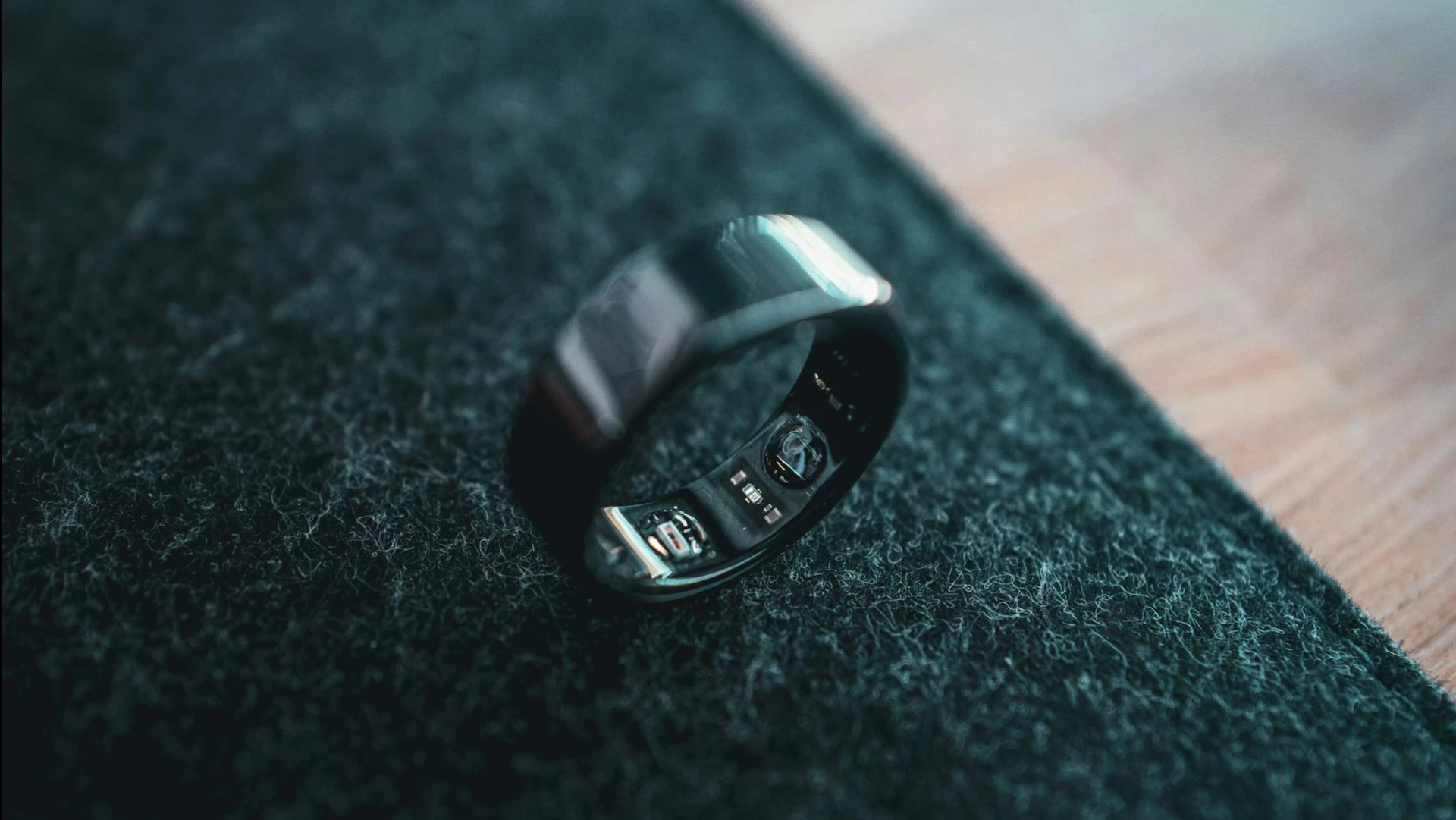
Oura's revenue for the most recent reporting period totaled $1.21 billion, up 74% year-over-year; its main source of revenue is sales of smart rings, the company reported ahead of its IPO / Photo: Jerry Kavan / unsplash
Oura, a Finnish manufacturer of smart rings, has filed an application with the U.S. Securities and Exchange Commission (SEC) to conduct an initial public offering (IPO). The prospective issuer plans to list its shares on the Nasdaq Global Select Market under the ticker symbol OURA.
The underwriters for the offering include Goldman Sachs, Morgan Stanley, J.P. Morgan, Allen & Co., and BofA Securities. The document states that the offering to investors will begin as soon as possible after the registration statement takes effect. The Wall Street Journal (WSJ) reports that this could happen as early as this month. Moreover, the company’s valuation could significantly exceed the $11 billion mark reached during last year’s funding round, the newspaper previously reported.
The remaining terms of the offering have not yet been specified in the filing. However, the company noted that some of the shares may be sold by existing shareholders. As Oninvest previously reported, Oura’s founders and several employees own approximately 25% of the shares. The remainder is held by institutional investors such as The Chernin Group (TCG), Forerunner Ventures, MSD Capital, and Lifeline Ventures.
Details
In its IPO prospectus, Oura disclosed its financial statements publicly for the first time. According to the prospectus, for the nine months ended June 30, 2026, the company’s revenue totaled $1.21 billion, an increase of 74% year-over-year. Earlier, Oura CEO Tom Hale told CNBC that this figure could approach $2 billion by the end of 2026.
The company’s net income rose year-over-year to $60.8 million, compared with $1.6 million earned during the same period of the previous fiscal year. Sales of smart rings remain the primary source of revenue, totaling $974 million. In terms of volume, during the nine months ending in late June 2026, Oura sold approximately 3.1 million rings, compared to approximately 1.8 million a year earlier.
Revenue from Oura Membership subscriptions accounted for an additional $240.5 million during the reporting period. This portion of revenue increased by 121% year-over-year, and the number of paying Oura subscribers reached approximately 5 million.
As of the end of June, the company had approximately $380 million in debt on its balance sheet.
In the section on risks to investors, Oura noted that the company’s rapid growth rate may prove unsustainable: “We expect our growth rate to slow over time,” the document states. Among other potential risks, the company cited user retention, intense market competition, and changes in tax incentives related to special accounts.
Oura also disclosed the structure of its current employee stock and option compensation plans. The company notes a potential increase in the number of shares outstanding due to existing and future options and other instruments, which could result in a dilution of shareholders' stakes.
Context
Oura, which positions itself as a platform for analyzing users' health data based on information collected via smart rings, was founded by three Finnish engineers in Oulu in 2013, none of whom are currently involved in the day-to-day management of the company.
Oura’s business model can be considered quite sustainable, according to Evgeny Antoshkin, founder of the sleep-tech project Lezonder, who spoke earlier to Oninvest. The company has virtually no competitors in its segment—“no one has come close to them yet,” the expert noted.
That said, the company’s market position isn’t driven solely by smart rings and subscriptions: over the past four years, Oura has filed seven lawsuits and complaints, targeting seven companies, including giants such as Samsung and Reebok. This is primarily about patent protection for its wearable devices. As a result, for example, Nexxbase, the manufacturer of the Luna Ring, decided not to enter the U.S. market.
This article was AI-translated and verified by a human editor