Russian ruble tops world currencies amid war and oil boom

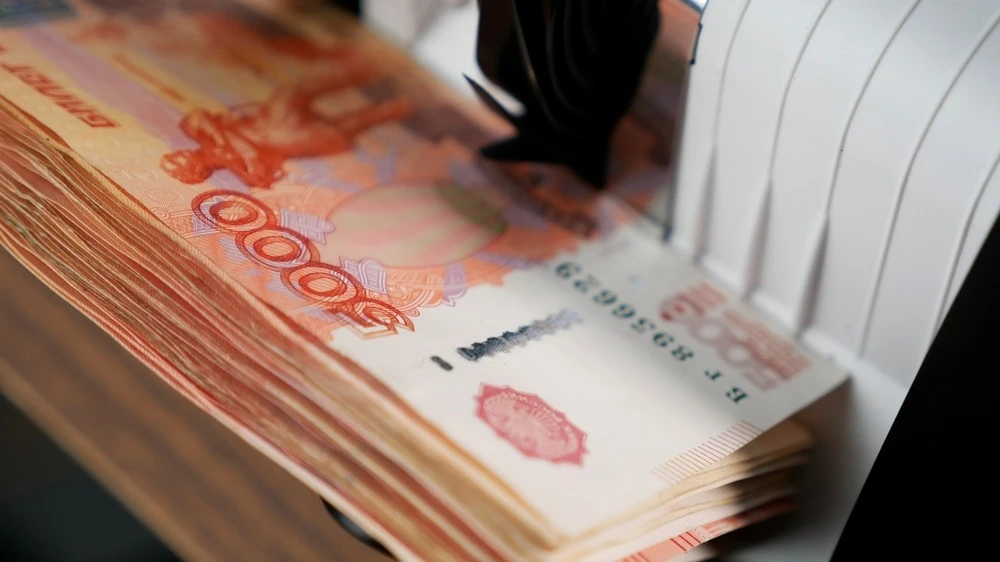
Since the beginning of April, the Russian ruble has strengthened against the US dollar by about 12% / Photo: Semyon Prudiy/Shutterstock
The Russian ruble has led the way among global currencies against the U.S. dollar in the current quarter, Bloomberg writes, noting that it was helped by a sharp inflow of foreign currency into Russia from oil sales amid record supply disruptions due to the war in the Middle East.
Details
Since the beginning of April, the Russian ruble has strengthened by about 12% to 72.6 per dollar, the strongest since February 2023, Bloomberg calculated. According to the Russian Central Bank, net sales of foreign currency by Russia's largest exporters in April tripled from the previous month to $7.3 billion, after the average price of Urals crude oil rose to $77 a barrel in March from $44.6 a month earlier. In April, the average Urals price averaged $94.9 per barrel, which provided Russia with additional hard currency revenues this month, the Russian regulator said.
The benchmark Mark Brent crude has risen in price by more than 30% since the end of February, amid ongoing supply disruptions from the Middle East and the blockage of shipping through the Strait of Hormuz. On Ma 19, contracts for Brent with delivery in July traded above $110 per barrel, June futures for U.S. WTI crude cost more than $108.
What the market is saying
For the second year in a row, the exchange rate of the Russian currency goes against official and market forecasts predicting its fall, Bloomberg notes. This makes some analysts consider the ruble overvalued relative to current economic conditions.
"If the Russian economy eventually comes off the war footing, the ruble will also return to more familiar levels," said Iskander Lutsko, senior portfolio manager at Dubai-based Istar Capital. - Now the conditions are ideal for further strengthening," he noted.
In May - for the first time since last June - Russia resumed purchases of foreign currency and gold for the National Welfare Fund (NWF, the state reserve fund used in Russia to support the budget when oil prices fall). The Russian government has allocated 110 billion rubles ($1.5 billion) for this purpose, but this amount pales in comparison to the amount of currency that exporters are selling. Purchases for the National Wealth Fund will remain insufficient to weaken the ruble and will be overridden by growing revenues from exports, Lutsko said. He added that he would not be surprised if the Russian ruble strengthens to 65-70 rubles to the U.S. dollar.
Meanwhile, there is a growing risk that the Central Bank of Russia will suspend its key rate cut if tensions around Iran persist until the next meeting in June, Lutsko added. This will further support the already strong ruble, the analyst said.
Context
The Bank of Russia's management has signaled at recent meetings that it views the conflict in the Middle East as a significant long-term inflation risk. This factor is already limiting the regulator's ability to reduce borrowing costs, Bloomberg explains.
Earlier in May, the Russian government revised its forecast of the average annual ruble exchange rate for the current year to 81.5 rubles per dollar against the previously expected 92.2 rubles, although this benchmark is still noticeably weaker than the current quotations.
In Russia, the strengthening of the national currency leads to a decrease in ruble revenues of exporters at conversion, which puts pressure on their profits, dividends and tax revenues to the budget, Bloomberg specifies.
This article was AI-translated and verified by a human editor