Shares of a small biotech company soared after the U.S. approved its gene therapy. Who else stands to benefit?

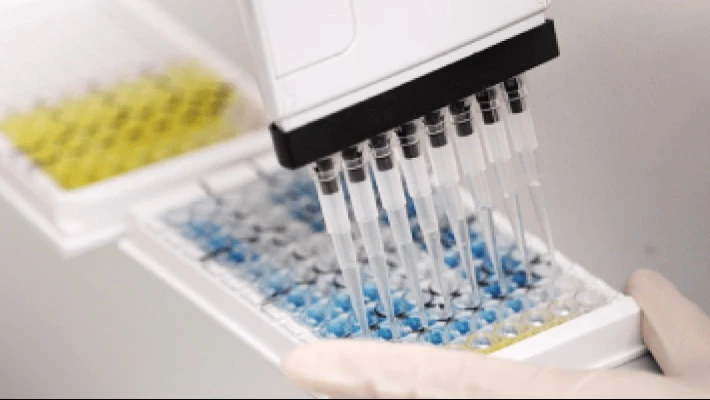
Ultragenyx shares surged after the regulator approved its new gene therapy / Photo: Ultragenyx
Shares of small-cap biotech company Ultragenyx Pharmaceutical soared nearly 13% on the Nasdaq on September 17. The company announced: the U.S. Food and Drug Administration (FDA) has approved its gene therapy for a rare congenital disorder that causes patients to gradually lose their abilities and eventually die.
Details
Ultragenyx shares jumped 12.6% to $14.5 during trading on September 17. In premarket trading on September 18, the stock continues to rise.
Investors reacted to the company’s announcement that the U.S. Food and Drug Administration (FDA) had approved its drug Fayuvi—the world’s first gene therapy for Sanfilippo syndrome type A. This rare disease results from a congenital deficiency of an enzyme responsible for breaking down complex carbohydrates. As a result, these carbohydrates accumulate in cells, leading to progressive damage to the central nervous system, loss of cognitive, speech, and motor functions—and ultimately to early death.
Who else benefited from Fayuvi's approval?
Fayuvi was not developed in-house by Ultragenyx. The company acquired global rights to it (then known as ABO-102) from the small-cap company Abeona Therapeutics, which was unable to continue clinical trials due to financial difficulties. The buyer committed to completing the trials and registering the therapy, while Abeona, in turn, received the right to a 10% royalty on its sales. Following the drug’s approval, the company’s stock price also jumped: by 4% on September 17 and by 4% in premarket trading on Friday.
The new drug is administered intravenously once in a lifetime; it uses an adeno-associated viral vector to deliver a functional copy of the missing gene. This is a type of delivery system based on a virus that is used to deliver healthy genes into cells. Abeona licensed this system from Regenxbio, whose stock also rose 3% on September 17—and continued to rise on September 18. This same system was used to develop one of the world’s most expensive drugs—Zolgensma, for the treatment of spinal muscular atrophy (SMA), from pharmaceutical giant Novartis.
What other benefits are there?
Following the approval of Fayuvi, which became its second registered gene therapy, Ultragenyx received a priority review voucher, according to a press release. This is a type of incentive program run by the FDA: the agency issues this document to companies that have successfully developed drugs to treat rare pediatric diseases, tropical infections, or countermeasures against bioterrorism.
This voucher can be used to expedite approval for another of the company's products or to sell it. Pharmaceutical companies can earn $150–300 million for it. For example, this year Jazz Pharmaceutical sold its voucher for $200 million, and Fortress Biotech sold theirs for $205 million. The most expensive purchase, as of 2025, took place in 2015. At that time, pharmaceutical giant AbbVie acquired a voucher from United Therapeutics for $350 million.
What's happening with the company?
Since the beginning of the year, Ultragenyx shares have plummeted 37%.
The biggest drop occurred in early September, when the company announced the failure of clinical trials for its experimental treatment for Angelman syndrome. This condition is also linked to a genetic mutation and is characterized by cognitive impairments, motor disorders, balance problems, and debilitating seizures.
Wall Street opinions on Ultragenyx’s prospects are mixed: ten analysts recommend buying its stock, and the same number recommend holding it. However, a month ago, before the failure of its Angelman syndrome therapy, the stock had 18 “buy” ratings and only two “hold” ratings. The average price target is $25.74, which implies upside potential of nearly 78% from the last closing price.