"The problem area has been isolated." Turkey has revealed details about the liquidation of 131 funds

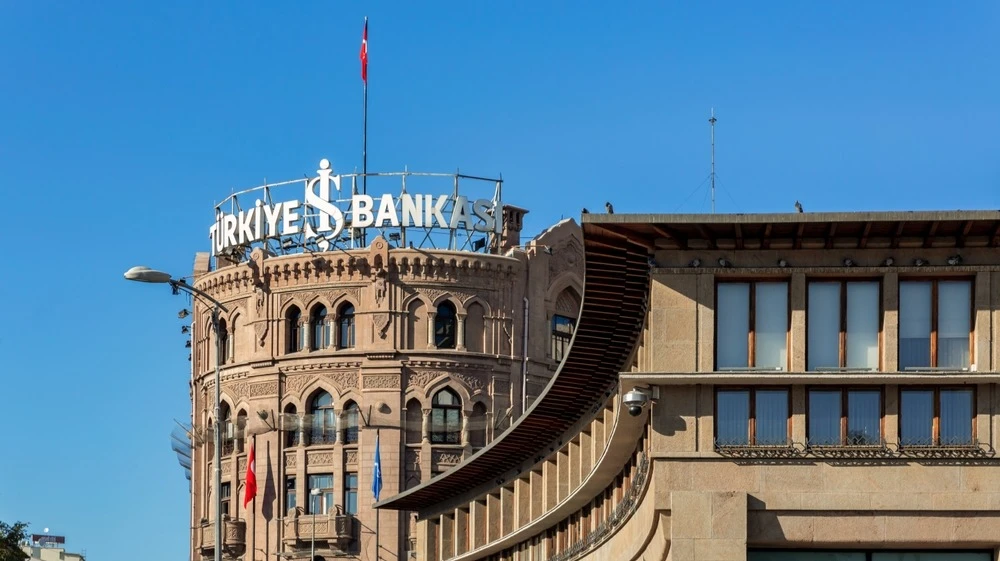
Turkey's largest banks will oversee the liquidation of more than a hundred investment funds / Photo: Ella_Ca / Shutterstock
Turkey has enlisted its two largest banks to oversee the liquidation of 131 investment funds that have been at the center of a crisis that has rocked the country’s asset management industry, according to Bloomberg. The Financial Times and Bloomberg reported on September 17 that Turkish authorities had decided to liquidate more than a hundred investment funds after some of them announced they were unable to meet investors’ requests for withdrawals. Due to the use of speculative strategies, the assets of some funds have grown more than tenfold since last year.
Details
Turkey’s two largest banks—Turkiye Is Bankasi and the state-owned Ziraat Bankasi—will oversee the liquidation process, according to a statement from the Turkish Capital Markets Board (CMB). The funds currently in liquidation hold investments totaling more than $18 billion and have approximately 350,000 investors.
Is Bankasi will handle the liquidation of the funds established by Tera Portföy Yönetimi AŞ, while Ziraat will oversee the funds managed by six other asset management companies, including Pusula Portföy Yönetimi AŞ.
According to the regulator, banks will sell the funds' assets in stages and distribute the proceeds to investors in proportion to their shares. Withdrawal requests submitted after 1:30 p.m. local time on September 17 will be given priority.
"We have isolated the problem area. There is no systemic risk," said Mehmet Şimşek, Turkey's Minister of Treasury and Finance, in an interview with the NTV news channel on Friday, September 18 (as quoted by Bloomberg).
Context
This move came after the fund managers at Tera and Pusula announced that they were unable to fulfill some of the investors’ withdrawal requests. Tensions had been mounting since August, when regulators tightened rules for mutual funds that hold a large, concentrated portion of their assets in shares of companies with a low free float (that is, shares where only a small portion of all issued securities is freely tradable on the market).
The turmoil then spread to the entire Turkish market, triggering a three-day sell-off of domestic stocks this week and a sharp drop in the prices of dozens of small-cap stocks. This forced regulators and government agencies to intervene, announcing the liquidation of funds, trading bans, and measures to support liquidity.
On September 18, Turkish stocks resumed their decline after a brief rebound the previous day. The BIST 100, Turkey’s main stock index, fell 1.2%, while the All Share index, which tracks the broader market on the Turkish stock exchange, lost 2.1%. Extremely negative sentiment prevailed across the broader market: about 530 stocks fell and only 47 rose, according to Bloomberg.
This article was AI-translated and verified by a human editor