Shares of the electric motor market leader have plummeted: its 10-year profit is in danger of being wiped out
Shares of Volkswagen and BMW plummeted nearly 18% following reports of a multibillion-dollar write-down

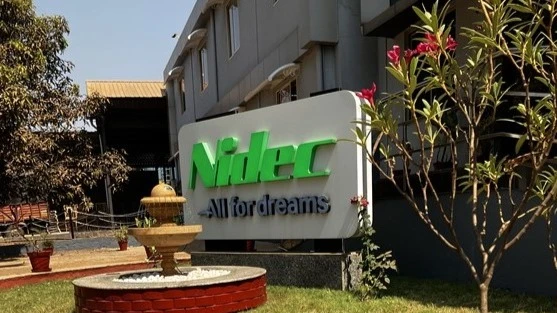
Nidec grew thanks to its dominance in the market for computer disk drive motors and subsequently expanded its business into automotive and industrial drives / Photo: X/NidecJP
Japan’s Nidec, the world’s largest (by its own estimate) manufacturer of electric motors, saw its stock price plummet following reports of a potential write-down nearly equal in size to its total profits over the past ten years, according to Bloomberg. The write-down will primarily affect the electric vehicle business, and the amount could increase once the supplier of components to Volkswagen and BMW accounts for losses that were not previously reflected in its financial statements, Nikkei Asia reports.
Price per write-off
Nidec shares plummeted 17.6% during trading in Tokyo on September 28. The plunge only stopped when the price hit 2,340 yen per share ($14.9)—the maximum allowed decline for a single trading session, according to Nikkei. Panic on the stock market began after the Japanese magazine Diamond reported that Nidec intends to recognize an asset impairment of approximately 1 trillion yen ($6.3 billion). According to the magazine’s report, as cited by the Financial Times, the write-down is planned to be retroactively applied to the fiscal year ending in March 2026.
Nikkei sources estimate the expected write-down at more than 600 billion yen ($3.8 billion), suggesting it could rise to 1 trillion yen following adjustments to the financial statements. Nidec confirmed that a major write-down, as well as changes in management, are “indeed being discussed,” but that it has not yet “made any decisions” on these matters. Nidec is still discussing the final amount of the write-down with its auditor and plans to disclose it on September 30 when it publishes its restated financial results.
Electric cars let us down
Nidec had been betting on the E-Axle—a drive system for electric vehicles that integrates a motor, inverter, and other components. The company viewed this segment as one of the key drivers of growth and expanded it through mergers and acquisitions, according to Nikkei. However, the slowdown in the electric vehicle market and price wars with Chinese manufacturers have eroded the business’s profitability, the publication notes.
Back in March, Nidec expected to write off approximately 250 billion yen in fixed assets and goodwill (the business’s reputation and its monetary value) related to the E-Axle business. However, after a more thorough analysis of the prospects for a return on investment, the loss estimate was increased, according to Nikkei.
The Japanese manufacturer is now preparing to wind down its joint venture with China’s Guangzhou Automobile—which was established to develop and manufacture the E-Axle—in order to avoid further losses. “We want to exit the E-Axle business,” Nidec CEO Mitsui Kishida told Nikkei, citing overly fierce competition as the reason.
Listing at Risk
An independent commission established by Nidec in March 2026 uncovered numerous accounting irregularities at the company, the Financial Times reports. Among other things, delays in writing off inventory and attempts to conceal asset impairments were identified, Nikkei adds.
Kishida’s future as CEO has also been called into question. According to a report by Diamond cited by Bloomberg, the board of directors voted last week to remove him from his position. However, according to Nikkei, as of the afternoon of September 28, he had not yet been dismissed.
The Tokyo Stock Exchange has warned that Nidec’s shares could be delisted if the company fails to demonstrate improvements in its internal governance, according to Bloomberg. According to the FT, Nidec must implement the necessary reforms in oversight and corporate governance by October.
This article was AI-translated and verified by a human editor