The Dollar Is Losing Ground to the Tenge, Anthropic Is Spooking Humanity, and Where Soccer Players Are Investing
This Week's Highlights on Oninvest

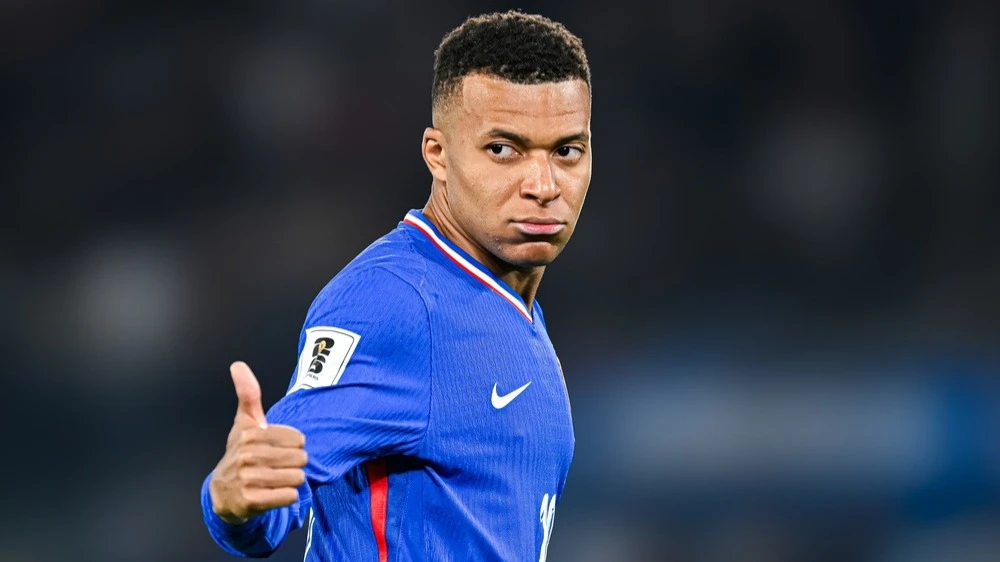
Beckham earns money from advertising and licensing deals, Haaland has entrusted his money to professional financial managers, and Mbappé buys stakes in startups. Photo: Victor Velter / Shutterstock.com
Kazakhstani banks have been given the opportunity to raise interest rates on dollar-denominated deposits; the “bond king” Bill Gross advises staying away from bonds, while in Anthropic’s leaked IPO prospectus, the company is targeting a valuation of over $2 trillion and warns of a threat to humanity.
The Dollar vs. the Tenge
For the first time in six years, Kazakhstan has raised the cap on interest rates for foreign currency deposits (with terms of one year or longer). The National Bank attributed the increase from 1% to 2.5% per annum to a decline in the share of dollar-denominated deposits in the economy: since 2020, that share has fallen by a factor of two and a half. Danyar Orazbaev, an analyst at Freedom Broker, does not consider this rate a convincing argument: tenge deposits currently pay 15%, while U.S. Treasury bonds yield about 5%.
Deutsche Bank, too, currently has more confidence in the tenge: in late September, it added a position to its portfolio with a strategy to sell the dollar against the tenge (a short position in USD/KZT). Analysts see support for the tenge in energy prices, the expected increase in currency sales by the National Fund, and the inflow of foreign capital into government bonds. But this is a trade for several months. By the end of 2026, the bank still expects the tenge to trade at 490 per dollar. Investbank is also maintaining its position in the Uzbek sum; analysts attribute its strength to gold exports, remittances, and reforms.
"The Bond King" vs. Bonds
Pimco co-founder Bill Gross advised investors not to hold any bonds other than one-year U.S. Treasury bills yielding 4.55%. He is concerned about debt: total U.S. debt stands at about $84 trillion, and he estimates that $1 trillion in AI investments by 2027 will most likely have to be financed entirely through debt. This threatens to slow growth and keep inflation high. “Preserve and protect—that is my current investment motto,” Gross writes.
Anthropic's "Leaked" Prospectus
The IPO prospectus for AI developer Anthropic made headlines even before its official release. The company is targeting a valuation of over $2 trillion—more than double its May valuation of $965 billion. At the same time, Anthropic itself is warning investors about “catastrophic or existential risks to humanity”: AI models may resist being shut down, withhold information, and behave in ways that “resemble blackmail.”
Make Money from AI—or from Its Decline
AI agents that make purchases and trades on their own are creating a new market where investors can profit, according to Capital Lab partner Evgeny Shatov. Iconic short seller Michael Burry—the real-life inspiration for the character in the movie *The Big Short*, played by Christian Bale— has, on the contrary, placed bets against the AI sector by purchasing put options expiring in 2027: he believes that “the AI bubble could burst sooner rather than later.”
What Else We Wrote About This Week
Austria's Raiffeisen intends to make Central Asia a new growth market.
Hungary's largest bank is considering withdrawing from Russia. OTP is one of the few European banks that has maintained its operations in Russia since 2022.
Google unveiled Gemini 4 Argon —its most advanced AI model.
The Norwegian sovereign wealth fund held $208 million in stakes in Turkish companies that are under investigation for market manipulation.
This article was AI-translated and verified by a human editor