Netflix shares are on track for their worst performance since 2022. Wall Street forecasts are mixed

Wall Street analysts note that Netflix faces stiff competition from YouTube and movie theaters / Photo: Shutterstock.com / Elliott Cowand Jr.
Shares of streaming platform Netflix are heading toward their worst annual performance since 2022: they have already lost more than 25%. The company is trying to convince investors of the viability of its growth strategy after failing to acquire Warner Bros. In recent months, concerns have intensified as Netflix has been unable to produce as many new hits as it usually does.
Wall Street analysts are divided in their assessment of the service's prospects: some point to weak content and declining viewer engagement, while others consider these concerns to be exaggerated.
What Analysts Are Saying
“Netflix has become a company that now needs to prove itself, since it hasn’t been able to produce true blockbusters—shows that rank in the top 100. This needs to be fixed very quickly,” Bloomberg quotes Eric Clark, chief investment officer at Accuvest Global Advisors, as saying. To solve its engagement problem, Netflix needs to create content that viewers will talk about, Clark notes. He believes the company likely has more money for content production than its competitors, yet it is other streaming services that are currently producing the most talked-about projects.
Last week, HSBC downgraded Netflix to “neutral,” withdrawing its “buy” recommendation. The bank also cited signs of declining subscriber engagement. The company’s share of airtime on U.S. television has fallen to a “multi-year low,” explained HSBC analyst Mohammed Hallouf.
In mid-September, Wells Fargo also downgraded the streaming platform’s rating and recommended selling its stock, becoming the first “bear” on Netflix. Analyst Stephen Cahill also pointed to a lack of popular series and movies. People are watching Netflix less than before, and the projects set to be released in the second half of the year are unlikely to change that, he believes. “Engagement trends look alarming to us,” Insider Monkey quotes Cahill as saying.
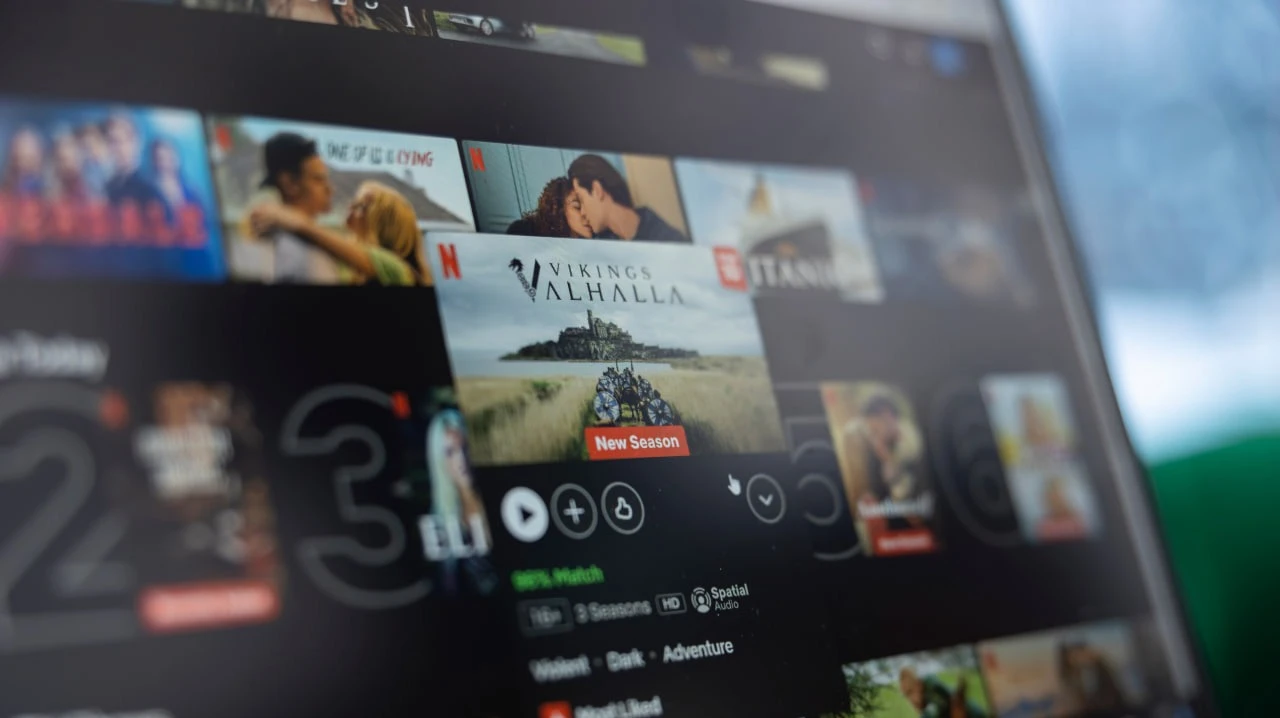
Meanwhile, on September 29, Deutsche Bank analyst Brian Kraft upgraded Netflix’s stock rating to a “buy,” stating that concerns about engagement are exaggerated and fail to take into account more positive trends outside the U.S., according to Bloomberg. Netflix has a “sustainable competitive advantage” in international content production, as well as brand strength, global scale, and the expertise needed to further develop the platform, Kraft believes. The decline in market value, in his view, has created an attractive entry point for investors, Barron’s reports.
The overwhelming majority of Wall Street analysts agree with Deutsche Bank and recommend buying Netflix stock. However, support is waning: according to Bloomberg, the number of "bullish" ratings for the company is now at its lowest level since April.
What about the stocks?
Netflix's market value has fallen by a quarter since the start of the year. The company's stock is among the 50 worst-performing stocks in the S&P 500, according to Bloomberg.
At the same time, one of the reasons for Wall Street’s optimism remains stock valuations. Stocks are trading at a multiple of approximately 19 times forward earnings—more than 60% below the average for the past 10 years, according to the agency’s data.
What's Happening in the Streaming Market
Netflix remains the largest paid streaming service by number of subscribers, but retaining viewers’ attention is becoming increasingly important for the company, especially as its advertising business grows and competition intensifies. YouTube is emerging as Netflix’s main competitor for viewers’ attention. In July, YouTube’s share of the U.S. TV market reached a record 14.2%, while Netflix’s share fell below 8%, according to Nielsen data cited by Bloomberg Intelligence. “YouTube’s growth is increasingly coming at the expense of Netflix,” wrote an HSBC analyst.
Netflix’s lack of major hits is particularly noticeable against the backdrop of the resurgence of the movie theater industry. This resurgence in interest has been fueled by hits such as “Obsession,” the new Spider-Man movie, and Christopher Nolan’s“Odyssey.”As a result, shares of theater chains AMC, Cinemark, and IMAX have risen by more than 50% since the start of the year, significantly outperforming the S&P 500 and the Nasdaq 100.
On Tuesday, Bloomberg sources reported that "Fight Club" director David Fincher will not renew his exclusive agreement with Netflix, which expires next year. He has worked with the company longer than almost any other figure in the creative industry. Among other things, he served as executive producer on the landmark series “House of Cards.” And this is just one in a string of departures: Earlier this week, “Stranger Things” producer Shawn Levy announced that he is moving his television business to Walt Disney, while the series’ creators—the Duffer brothers—have signed a deal with Paramount Skydance.
Amid competition with movie theaters, Netflix has decided to release “The Further Misadventures of Cliff Booth”—the sequel to Quentin Tarantino’s “Once Upon a Time in Hollywood,” set to premiere in October—on a large number of screens. This is an extremely rare move for the company: it is an attempt to accommodate the growing number of filmmakers who oppose the dominance of streaming.
What Investors Should Keep an Eye On
The next major event for Netflix stock investors will be the company’s third-quarter 2026 earnings report, which it will release on October 20. Wall Street expects revenue to grow by nearly 12% year-over-year—the slowest pace since 2023, according to Bloomberg. Net income is forecast to increase by 36%, compared with 8% a year earlier.
This article was AI-translated and verified by a human editor