The dollar has come close to its best performance in a month since June. What does the Fed's interest rate have to do with this?
The dollar's strength is driven by rising Treasury yields and "hawkish" rhetoric from Federal Reserve officials

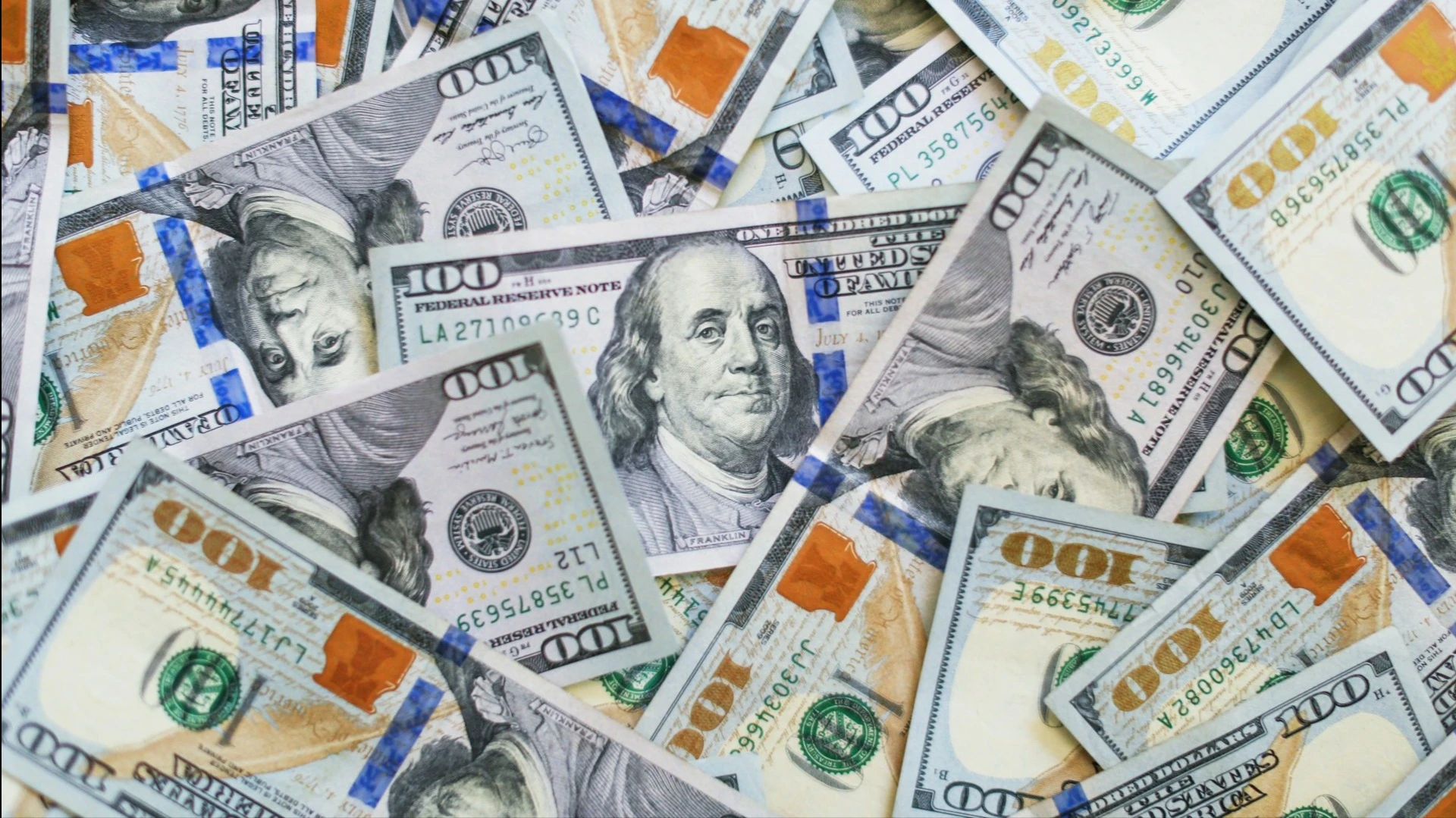
The dollar's rally may be running out of steam, analysts say / Photo: Unsplash/Giorgio Trovato
The Bloomberg Dollar Spot Index rose 1.9% in September, marking its best monthly performance since June. In addition, the index reached a two-month high. The rise is driven by the Federal Reserve’s focus on fighting inflation: the market has raised its expectations for interest rates and Treasury yields.
Details
Strong U.S. economic data, combined with rising inflation risks, are pushing the dollar higher, according to Bloomberg. The U.S. conflict with Iran is keeping energy prices high and has pushed the yield on 30-year Treasury bonds to its highest level since 2002. In addition, the market is now pricing in a Fed rate hike of nearly one percentage point over the next 12 months, Bloomberg added.
“The dollar continues to track U.S. economic data. Unexpected data from the U.S. is a key signal for the currency in the near term, as well as an answer to the question of whether the Fed will be able to raise rates as much as is already priced in,” said Jayati Bharadwaj, head of currency strategy at TD Securities (as quoted by Bloomberg).
The dollar’s rally, which began after the Fed’s first rate hike in three years, is being fueled by “hawkish” statements from Fed officials. For example, on Tuesday, September 29, Michael Barr stated that additional rate hikes would likely be needed to slow inflation. John Williams, president of the Federal Reserve Bank of New York, said that another rate hike “may be appropriate at the end of the year to accelerate the return of inflation to the target level.”
In September, Morgan Stanley withdrew its long-term forecast of a weakening dollar in the second half of 2026. All G10 currencies, except for the yen, weakened against the U.S. dollar in September. The yen is being supported by the risk of currency interventions by authorities and expectations of further interest rate hikes by the Bank of Japan.
Traders will be closely watching the September jobs report, which is due out on Friday and will serve as a test of the strength of bets on aggressive monetary tightening, according to Bloomberg. On Wednesday, the U.S. will also release the August Personal Consumption Expenditures index—the Fed’s preferred measure of inflation.
At the same time, certain indicators suggest that the rally is beginning to run out of steam, Bloomberg noted. On Tuesday, the dollar momentum index rose above 70 points, suggesting it may be overbought, and on September 24, the Bloomberg Relative Strength Index for the dollar entered overvalued territory.
“I think the dollar is starting to look overbought,” said Noah Baffam, a strategist at CIBC Capital Markets. Kamakshya Trivedi, head of currency and interest rate forecasting at Goldman Sachs, expects the dollar to trade within its current range and forecasts that the Fed will raise rates only once more this year—in October.
Context
In mid-June, the dollar index rose to its highest level in more than a year after the Fed, under its new chairman Kevin Worshe, kept interest rates unchanged and accompanied the decision with “hawkish” signals.
In September, the U.S. dollar posted its strongest one-day gain since June 17 as the yield on 10-year Treasuries briefly exceeded 5% for the first time since 2023. A few days after the Fed’s latest rate hike, the dollar hit a seven-week high, and markets priced in about a 90% probability of another quarter-percentage-point hike by the end of the year.
This article was AI-translated and verified by a human editor