Smartphone and Laptop Sales Are Set to Fall: How Will This Affect Manufacturers' Revenue?
Apple wasn't the only one to raise prices: smartphones from Xiaomi, Oppo, and Vivo also became more expensive and now fall into the same price segment as Samsung's budget models

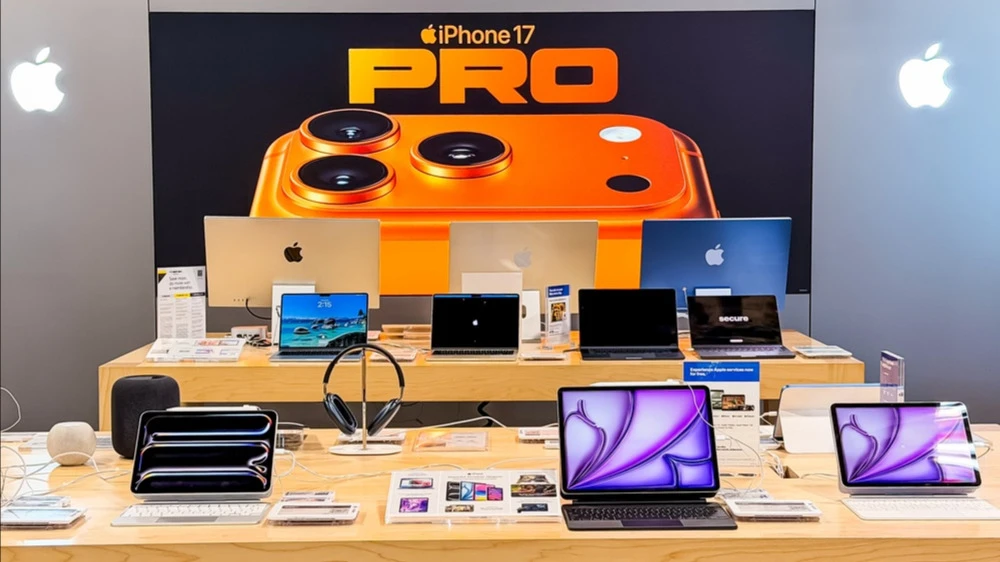
Apple's revenue from iPhone sales is likely to increase by 17% this calendar year, while sales themselves are expected to decline by 1.3% / Photo: Iv-olga / Shutterstock.com
Sales of smartphones and personal computers are expected to decline significantly this year due to memory shortages and rising prices for electronics, according to The Wall Street Journal. But despite the decline in shipments, analysts expect revenue from device sales to grow for smartphone makers Samsung Electronics and Apple, as well as for PC manufacturers Lenovo, Dell Technologies, and HP, the publication reports.
Details
Rising prices for memory chips, driven by the race in the field of artificial intelligence, have led to a divergence between sales volumes and revenue for electronics manufacturers, according to the WSJ. Apple’s revenue from iPhone sales is expected to increase by 17% this calendar year, according to analyst forecasts compiled by FactSet. At the same time, International Data Corp. expects iPhone sales to decline by 1.3%, while global smartphone shipments are set to plummet by 16.7%. According to IDC, this will mark the sharpest annual decline on record.
Last year, memory accounted for about 16% of the cost of PC components, and at its peak, that share is expected to reach 23%, according to research firm Gartner. Faced with rising component costs, manufacturers are raising device prices to maintain revenue. This summer, Apple raised prices on some Mac and iPad models, and in September, it did the same for the new iPhones. The foldable iPhone Duo went on sale with an impressive price tag of $1,999.
What's Happening in the Smartphone Market
Under different circumstances, a price increase for Apple products could have led competitors with more affordable offerings to start gaining market share. This time, however, the major manufacturers have little to worry about: their budget competitors are under even greater pressure, according to the WSJ.
In the smartphone market, manufacturers of low-cost Android devices—including the Chinese companies Xiaomi, Oppo, and Vivo— have raised prices on some of their cheapest models. This has brought their products closer in price to Samsung’s more affordable models.
“As soon as the price crosses the $200 or $250 mark, you start competing with Samsung’s lower-end A-series models. At the same time, the Samsung brand is considered more prestigious,” noted IDC analyst Nabila Popal.
What's Happening with Laptops
The era of cheap laptops may also be coming to an end, the WSJ notes. As margins shrink, manufacturers have less leeway to absorb rising memory costs. “The entry-level PC segment priced under $500 will disappear by 2028,” Gartner analyst Ranjit Atwal predicted in February. Since memory prices are expected to remain high for the foreseeable future, manufacturers will be forced to rethink their business models.
In the past, consumers and companies regularly upgraded their equipment, but due to high prices, they will likely keep using their old devices longer and replace them only when absolutely necessary, the WSJ reports. Dell CEO Michael Dell warned on September 9 at a conference for analysts that consumers would prefer to postpone replacing their devices and that the average age of computers would increase.
What will this lead to?
Manufacturers can partially offset the longer product lifecycles by maintaining high prices. However, this also increases the pressure on them: they will have to offer new AI-based capabilities and other features so that buyers can accept the high price tags, writes the WSJ.
"We no longer believe that the number of devices sold is the most important thing," HP Chief Financial Officer Karen Parkhill said on September 8 at a Goldman Sachs conference. "What matters most now is offering solutions that enable AI to be used locally, directly on the device."
Apple has another way to reduce customers' price sensitivity: the company can pass on a significant portion of the price increase to mobile carriers such as Verizon and T-Mobile. These carriers offer higher trade-in discounts on new iPhones, as this helps them switch customers to more profitable unlimited data plans. According to Bank of America analysts, these more generous promotions “will largely offset Apple’s price increases this year.”
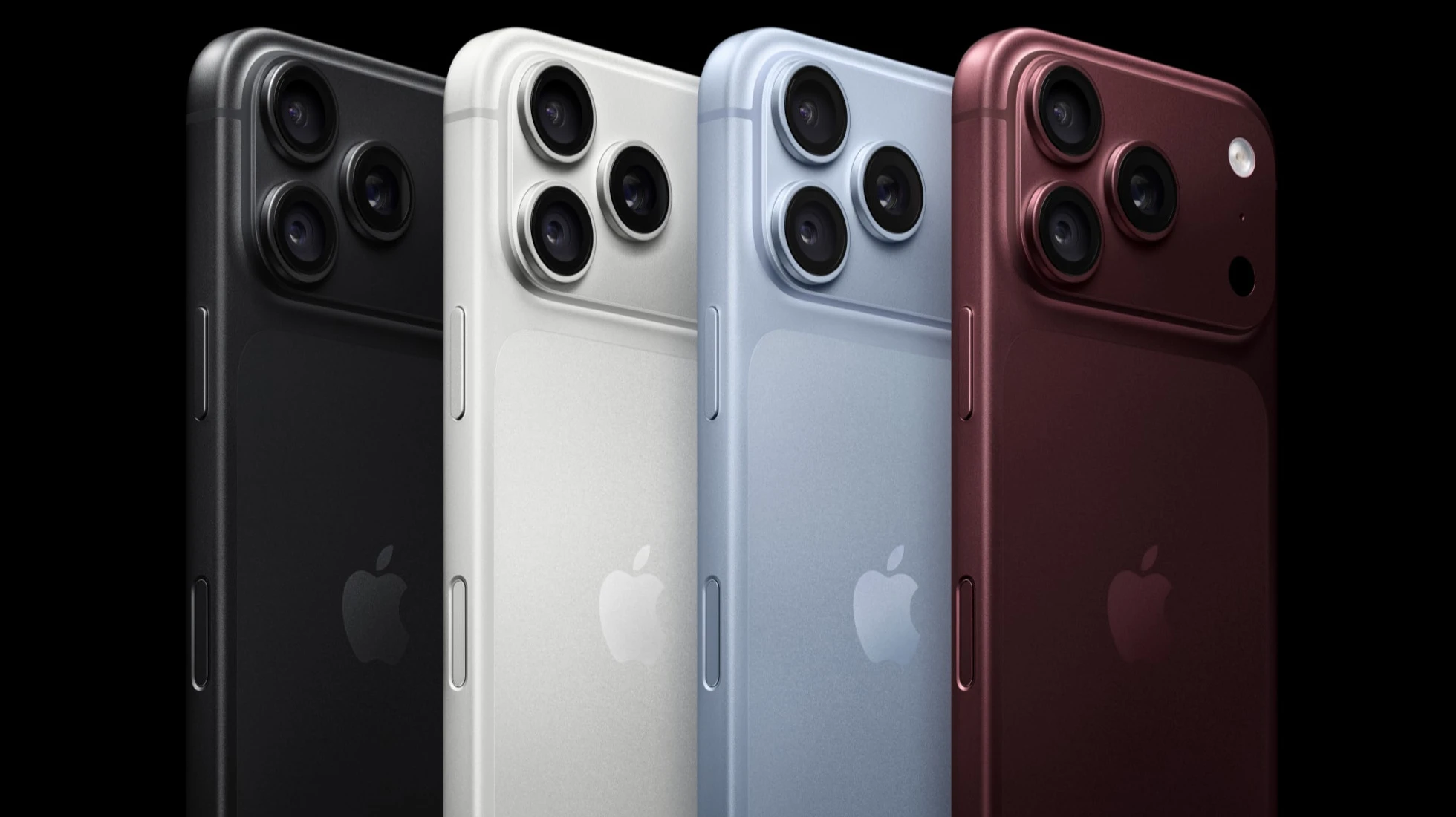
Investors aren't particularly concerned about the price increases yet. Apple's stock has risen by about 26% since the start of the year, including an 8% increase following the unveiling of its higher-priced smartphones. The stock prices of all the major PC manufacturers have also risen significantly this year.
However, the shift toward selling more expensive devices also carries risks. In addition to the fact that manufacturers face a more challenging task in convincing buyers to upgrade their devices, the availability of financing has become a critical factor in smartphone purchases. If consumers’ budgets come under pressure or carriers become less willing to help buyers with financing, sales could drop sharply. Manufacturers also expect to face competition from used and refurbished devices—a market that continues to grow as well.
This article was AI-translated and verified by a human editor