SpaceX canceled the Starship launch due to engine problems. The stock price fell again.
Cathie Wood, an admirer of Elon Musk's business acumen, could have saved a lot of money if she had invested in SpaceX one day later

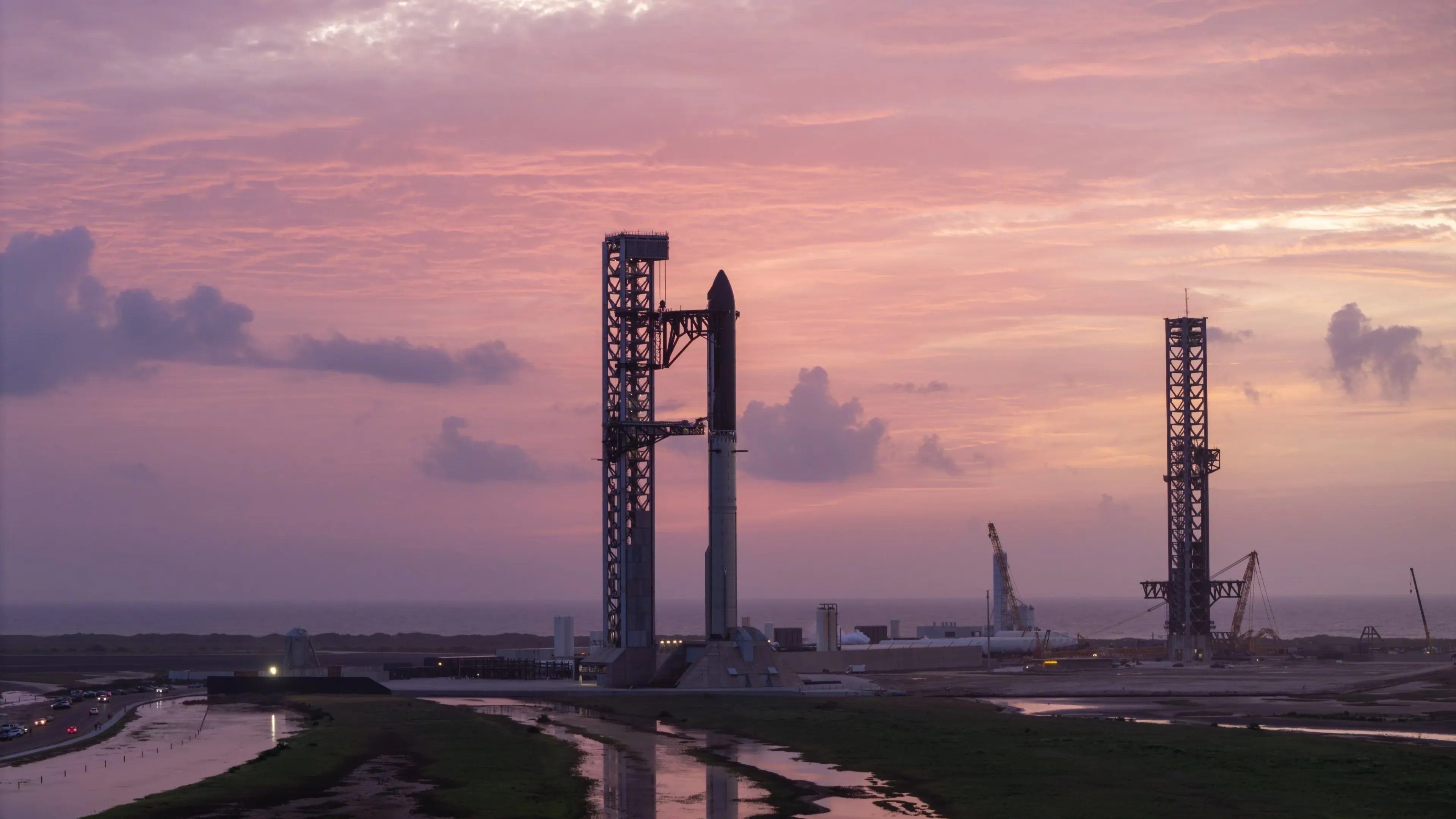
The massive Starship rocket was designed by SpaceX for flights to Mars / Photo: X/SpaceX
Elon Musk’s SpaceX canceled the 13th test launch of the super-heavy Starship rocket: some of the booster’s engines failed to ignite, and the system automatically aborted the launch. The day before the launch, funds managed by Cathie Wood—who made a name for herself on Wall Street thanks to her bold bets on breakthrough technologies— purchased millions of dollars’ worth of shares in the space company.
Details
Starship was scheduled to launch from the Starbase spaceport in South Texas on the night of July 17. A few minutes after the 90-minute launch window opened, SpaceX announced during a live broadcast that the rocket would not launch, according to CNBC. Musk promised to try again “in a few days.”
Preparations for the launch were halted due to engine issues. According to a SpaceX employee, the Starship’s automated system shut them down “at the exact moment they began to ignite.” “Some engines failed to start, which led to the automatic cancellation of the launch,” Musk explained on X. Later, the SpaceX CEO clarified that two Raptor engines would be removed and replaced. “The most likely launch date is early next week,” he added.
Wood's $17 million bet
SpaceX shares have been falling for five consecutive trading days and in nine of the last 11 sessions, according to Barron's. On July 15, they fell below their IPO price of $135 for the first time. On the same day, four ARK Invest exchange-traded funds (ETFs) managed by Cathie Wood purchased approximately 123,000 shares of SpaceX—worth nearly $17 million.
By that point, SpaceX was already the sixth-largest holding in ARK Innovation’s flagship ETF, accounting for about 4.4% of the portfolio. Tesla remains the fund’s largest holding.
However, the next day, July 16, SpaceX shares fell more than 3% and closed at $131.11. Then, following the cancellation of the Starship launch, the shares dropped by more than 3% in Nasdaq after-hours trading. In over-the-counter trading in the U.S., the decline accelerated to 4%—with the price falling below $126 per share.
A rough patch
The canceled launch was supposed to be the first test flight of the upgraded 122-meter Starship V3 following SpaceX's June IPO.
The previous V3 test in May ended in failure. After a successful launch, several lower-stage engines failed to reignite to ensure a soft landing, and the rocket crashed into the Gulf of Mexico. The U.S. Federal Aviation Administration required SpaceX to investigate the incident and only earlier this week authorized Starship to fly again, CNBC reports.
What does this mean for SpaceX?
Investors are closely watching the Starship tests: the giant rocket plays a key role in SpaceX’s plans to expand its Starlink satellite internet service. It is also essential for test flights under the Artemis lunar program, which the company is conducting in partnership with NASA, according to CNBC.
This article was AI-translated and verified by a human editor