Top Stories This Morning: SpaceX Cancels Starship Launch; Tech Stocks Under Pressure

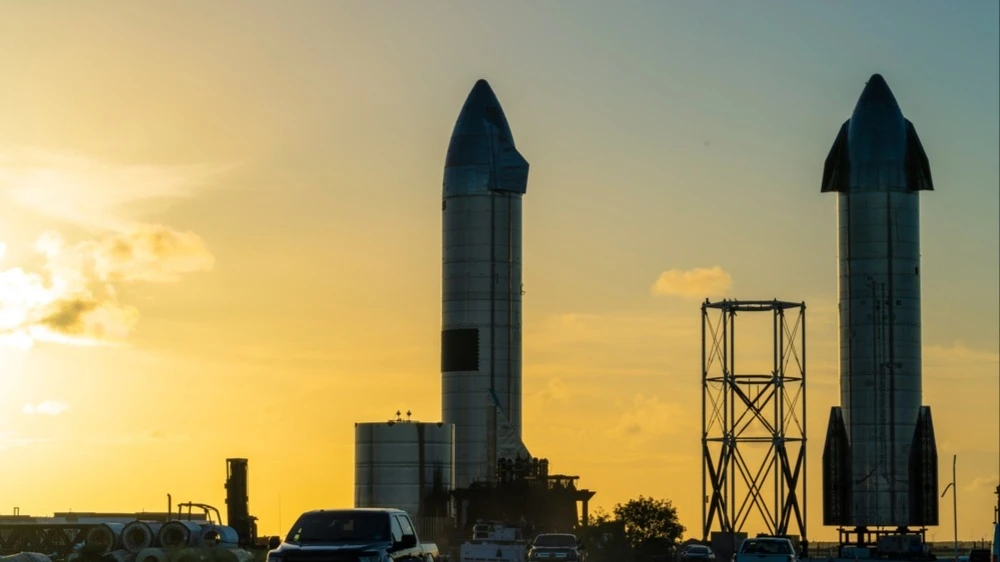
The canceled Starship launch was supposed to be SpaceX's first since its IPO / Photo: luckyluke007 / Shutterstock.com
SpaceX canceled the test launch of the Starship rocket at the last minute due to engine problems. Asian tech stocks plummeted following a sell-off in the U.S. Iran threatened to destroy U.S. infrastructure in the Middle East if Donald Trump follows through on his threats to strike the country’s energy facilities and bridges. Read about these and other topics in our roundup of key events as of the morning of July 17.
SpaceX canceled the Starship launch due to engine failure
SpaceX canceled the second test launch of the upgraded Starship rocket at the last minute after some of the engines failed to ignite, according to TechCrunch. According to Elon Musk, the automatic system aborted the launch due to the failure of several engines, and the company expects to make another attempt “in a few days.” Following the news, SpaceX shares fell more than 4% in after-hours trading and dropped below their IPO price of $135.
The launch was supposed to be the first since the company’s largest-ever IPO and was intended to deploy third-generation Starlink satellites into orbit. The previous Starship V3 flight in May was also plagued by technical issues: the Super Heavy booster failed before the simulated landing, and the upper stage lost one of its engines during flight.
Asian tech stocks fell following the collapse of the U.S. semiconductor sector
Asian tech stocks fell sharply following a sell-off in U.S. semiconductor companies amid growing concerns about excessive spending on AI, according to CNBC. In Japan, SoftBank fell 11.4%, Tokyo Electron dropped 9.4%, Advantest slid 10.5%, and Kioxia plummeted more than 16% following a U.S. court ruling ordering it to pay $229 million for patent infringement. TSMC shares in Taiwan fell 6.4% despite strong quarterly earnings. Chinese companies Tencent, Meituan, Kuaishou, Baidu, and Alibaba also closed lower.
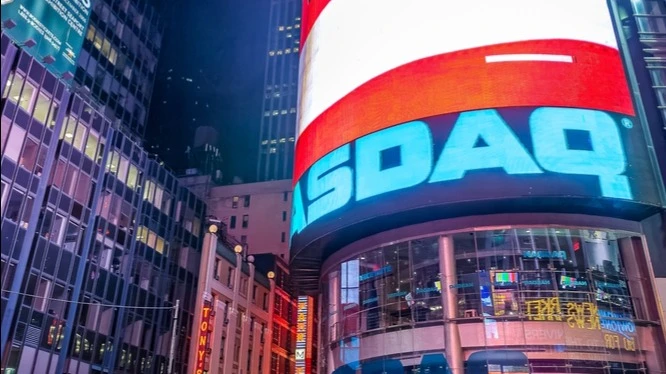
The trigger was a new wave of sell-offs in the U.S.: the Nasdaq index fell by 1.47%, while shares of Arm, AMD, Broadcom, Micron, and SK Hynix’s American Depositary Receipts lost more than 5%. Investors were not even convinced by TSMC’s upward revision of its capital expenditure forecast to $60–64 billion—the market is increasingly skeptical that the rapid growth in AI investments will be able to justify the companies’ current valuations, the TV channel explains.
Iran has threatened to destroy U.S. infrastructure in the Middle East
Iran has stated that it will destroy key U.S. infrastructure in the Middle East if Washington carries out Donald Trump’s threats to strike Iranian power plants and bridges, CNBC reports, citing a statement by a spokesperson for Iran’s Supreme Military Command on Telegram. Tehran also emphasized that it will not allow U.S. interference in the situation surrounding the Strait of Hormuz, calling it an “inviolable red line.”
Against this backdrop, U.S. Central Command reported new strikes on command posts, air defense facilities, missile and drone infrastructure in Iran, while Reuters, citing sources, reports that Tehran has asked the Yemeni Houthis to be prepared to block oil supply routes through the Red Sea in the event of further escalation.
India's largest IPO in 2026 attracted nearly $31 billion in subscriptions
The 97.9 billion rupee ($1 billion) IPO of SBI Fund Management, India’s largest asset management firm, was oversubscribed 41.6 times and attracted bids totaling 2.97 trillion rupees ($30.7 billion), according to CNBC. Institutional investors drove the strongest demand: their allocation was oversubscribed 140 times, while retail investors submitted applications amounting to only 3.6 times the available volume.
The successful offering has raised expectations ahead of the IPOs of the National Stock Exchange of India (NSE) and Jio Platforms, each of which could raise more than $3 billion.
Microsoft CEO Criticized the Limitations of Anthropic's AI Model
Microsoft CEO Satya Nadella criticized the limitations of Anthropic’s Fable AI model, stating that it too often refuses to fulfill user requests. He made these remarks during an internal meeting with Microsoft employees, according to CNBC. According to him, this level of control “makes no sense.” Anthropic had previously reported that it had strengthened the model’s safeguards following U.S. export control requirements, which could result in some harmless requests also being blocked.
Nadella also advocated for the development of more accessible and open AI models, noting that the market should not be dependent on a few large developers. His comments came despite Microsoft’s close partnership with Anthropic: the company has invested $5 billion in the startup and uses its models in Copilot, while simultaneously developing its own AI solutions and intensifying competition with OpenAI.
What's Happening in the Markets
— Japan's broad-based Topix index fell 3.8%, while the Nikkei 225 fell 5.4%.
— Hong Kong's Hang Seng Index fell 2.4%, while mainland China's CSI 300 Index dropped nearly 3%.
— The Korean stock exchange is closed for the holidays.
— Australia's S&P/ASX 200 was down 0.8%.
— S&P 500 futures were down 0.9%, Nasdaq Composite futures were down 1.5%, and Dow Jones Industrial Average futures were down 0.8%.
This article was AI-translated and verified by a human editor