Berkshire Hathaway may have accelerated its share buyback. This was indicated in Buffett's documents
Barron's estimated the company's buyback volume

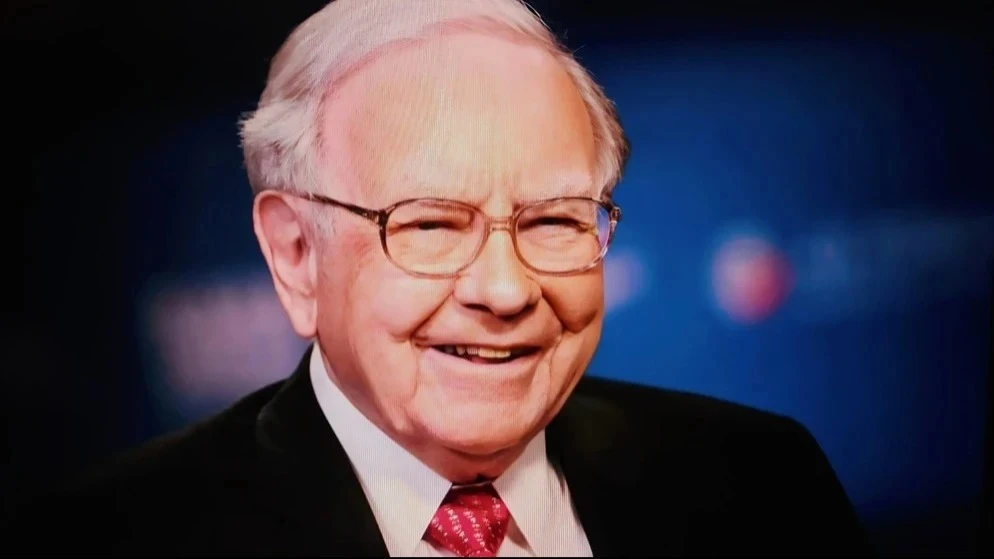
Berkshire Hathaway may have repurchased $5–11 billion worth of its own shares in the second quarter, according to Barron's / Photo: Shutterstock.com/FotoField
Berkshire Hathaway likely sharply increased the volume of its share buybacks in the second quarter of 2026, according to Barron's. The publication estimates that the company may have allocated between $5 billion and $11 billion to share buybacks, with the exact amount to be revealed after the release of its quarterly earnings report in early August. In the past, investors were disappointed by the company’s low buyback volumes, despite its record cash reserves.
Details
Barron's estimate is based on disclosures made on July 14 by billionaire and Berkshire Hathaway Chairman Warren Buffett. According to the documents, as of July 14, he owned 188,290 Class A shares and 1,162 Class B shares of Berkshire Hathaway. This represents 13.2% of all Berkshire shares outstanding as of that date, Barron’s reports.
Based on this percentage, the total number of shares outstanding can be estimated at approximately 1.43 million Class A shares (taking into account the conversion of Class B shares). This is more than 11,000 fewer than the figure reported on April 14, when Berkshire last disclosed its share count, notes Barron’s. Assuming an average price of approximately $721,000 per Class A share from April 14 through the end of the second quarter of 2026, the publication estimates that buybacks totaled roughly $8 billion from mid-April through mid-July, but mostly during the second quarter, the publication calculated.
Buffett's stake is rounded to one decimal place. However, his actual stake could have ranged from 13.16% to 13.24%, meaning the size of the buyback could have ranged from $5 billion to $11 billion, according to Barron’s calculations.
Why Is This Important?
A more aggressive share buyback program could send a positive signal to Berkshire investors, according to Barron’s. The company resumed buybacks in March after a nearly two-year hiatus, but spent only $235 million on them in the first quarter of 2026 and did not repurchase any shares at all during the first two weeks of April, Barron’s notes. Meanwhile, Berkshire has accumulated approximately $400 billion in cash.
Berkshire will disclose its actual share repurchase expenses along with its second-quarter financial results and Form 10-Q, which are expected to be released around August 1. According to Barron’s estimates, Berkshire’s shares are currently trading at a multiple of approximately 1.4 times book value as of June 30. But book value has likely risen since then thanks to a rally in the company’s investment portfolio, worth more than $300 billion, primarily driven by gains in Apple shares, which hit a record high on July 16 and have risen 23% year-to-date, Barron’s concludes.
Berkshire Class A shares have fallen 2.1% since the beginning of January. The most common analyst recommendation for these shares is “hold”: the shares have four “Hold” ratings, compared with three “Buy” ratings and one “Sell” rating, according to MarketWatch.
This article was AI-translated and verified by a human editor