"The business could have been saved": Why METRO is leaving Kazakhstan

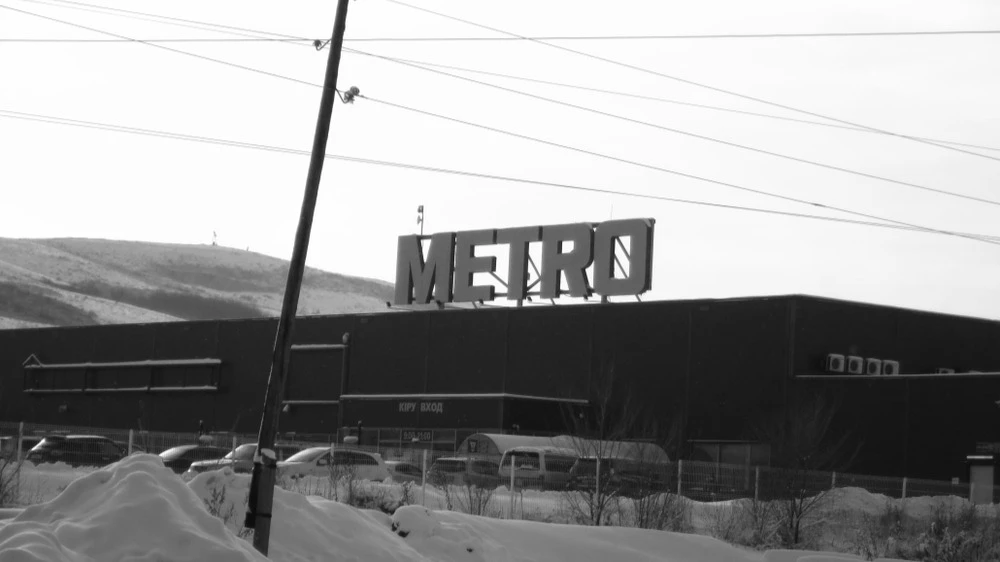
METRO was never able to adapt to conditions in Kazakhstan. Photo: Lucky Photographer/Shutterstock.com
The international hypermarket chain METRO has announced its intention to cease operations in Kazakhstan as of the end of March 2027. A press release explains that the decision was made following a targeted assessment of the company’s long-term business prospects in Kazakhstan: “Despite significant efforts by the local team to improve METRO Kazakhstan’s offering for customers and adapt its wholesale operations to the specifics of the local market, the company continued to face difficulties in establishing a solid foundation for sustainable growth.” Six hypermarkets—in Almaty, Astana, Shymkent, Ust-Kamenogorsk, Karaganda, and Pavlodar—and six delivery service warehouses will be closed in phases.
Business Characteristics
METRO—one of the world’s largest cash-and-carry operators, with a presence in more than 30 countries— operates 622 hypermarkets and 102 warehouses in various countries.
The company entered the Kazakh market in 2009. Since its launch, its private-label products had been imported into Kazakhstan from Russia and Ukraine, but the company hoped to quickly find alternatives. The EBRD noted that of the 15 stores planned in 2009, the company had managed to open only eight by 2013—and one of the reasons for this was “less-than-expected synergy with Russian procurement and supply, as well as a lack of synergy in logistics.” In 2015 and 2016, METRO closed two hypermarkets in Kazakhstan and converted them into warehouses, reducing the number of stores to six.
In Kazakhstan, METRO also served as a meat supplier for the HoReCa segment (hotels, restaurants, cafés); specifically, it supplied products to international fast-food chains and served as a 4PL operator (single logistics coordinator) for Burger King, KFC, and Hardee’s.
The problem of not having its own suppliers remained a pressing issue for years: Anton Van Gorp, the company’s CEO, explained that in order to become a METRO supplier, local companies had to undergo an audit to ensure compliance with standards based “not on Kazakhstani, but international legislation”—specifically, implementing international barcoding of products, obtaining HACCP risk analysis certification, and establishing ISO quality management standards.
According to Ivan Fedyakov, founder of the research firm InfoLine, up to half of the goods on store shelves in Kazakhstan are currently supplied from Russia. METRO’s announcement that it was withdrawing from Kazakhstan came just one day after its Russian assets were transferred to state control. Metro described the situation as “temporary external administration” and statedthat there was no connection between the events in Russia and the decision regarding Kazakhstan.
Financial Position
“Large-format retail is facing challenges worldwide. Kazakhstan is fairly well digitized, has significant delivery potential, and is taking market share primarily from large stores,” says Fedyakov, noting that this is a global trend: sales of non-food goods are shifting to marketplaces, and the vacated space is being repurposed for warehouses. However, he believes the business could have been saved by adapting its strategy. “The market is growing; this year, retail sales in Kazakhstan increased by 5–6% in volume. This is no worse than many other markets, and, especially given the strengthening of the tenge, one could have expected solid growth here.”
METRO's Kazakhstani division does not publish official financial statements, but the German newspaper Haller Kreisblatt reports that sales in the Kazakhstani market accounted for only about 0.4% of the group's revenue.
According to Statsnet’s estimates, in 2025, METRO’s revenue in Kazakhstan grew by 14.6% to 277.6 billion tenge ($620.1 million at the National Bank of Kazakhstan’s exchange rate as of October 4, 2026) — whereas the company’s global sales for the 2024–2025 fiscal year grew by 4.6%.
METRO’s largest shareholder is EP Global Commerce (approximately 68%), controlled by Czech billionaire Daniel Krzetinski. Another 24.99% is held by the Meridian Stiftung and Beisheim funds, which are controlled by the descendants of the chain’s founders. In April 2025, METRO delisted from the regulated market of the Frankfurt Stock Exchange. Since then, its shares have continued to trade on over-the-counter markets, specifically in the Global Market segment of the Vienna Stock Exchange. Total assets as of March 31, 2026: 11.9 billion euros. Market capitalization as of October 5, 2026: €2.54 billion.
This article was AI-translated and verified by a human editor