"The Elephant in the Room": Why Are Fund Managers Ignoring the Sell-off in Government Bonds?
Despite the risks to the market posed by rising government bond yields, the equity allocation in the portfolios of the fund managers surveyed by BofA reached its highest level since November 2021

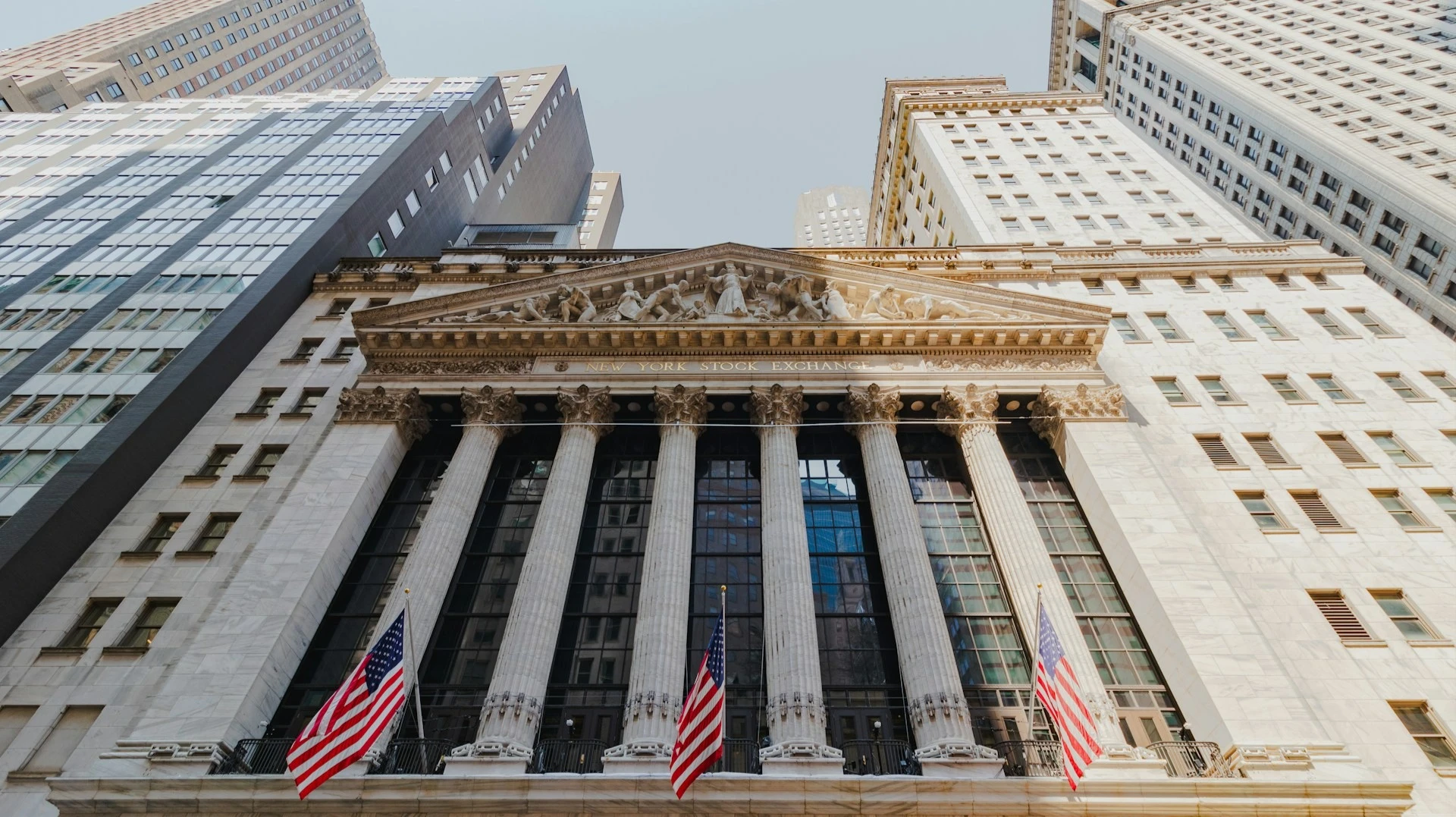
U.S. Treasury yields are rising despite the Treasury Department's actions / Photo: Unsplash.com / Joshua Tsu
Wall Street analysts and market participants agree that rising yields on long-term government bonds could threaten stock market gains. Nevertheless, risk appetite is increasing amid an uncertain environment, according to Bloomberg: Fund managers around the world have increased the share of stocks in their portfolios to the highest level since November 2021, according to a Bank of America survey.
Government bond yields are “the elephant in the room” that investors prefer to ignore, says Tyler Richie, editor of the Sevens Report Technicals newsletter.
Details
The rise in long-term Treasury yields has become the “elephant in the room” that could undermine stock market gains, said Tyler Richie, editor of the Sevens Report Technicals newsletter.
According to the results of the latest Bank of America (BofA) survey, fund managers around the world share this view. They cited the “chaotic rise in government bond yields” as the second-biggest threat to the stock market after concerns about a bubble in the AI sector, according to Bloomberg. However, despite the uncertain situation, the share of stocks in the portfolios managed by the fund managers surveyed by BofA reached 56%—the highest level since November 2021.
"Yields on [Treasury] bonds are starting to rise, but the stock market is ignoring it—until it stops," commented Matt Mealy, chief market strategist at Miller Tabak.
What's Happening in the Government Bond Market
Since the start of the week, amid investor concerns about rising U.S. government debt and the government’s ability to curb inflation driven by the war in the Middle East, Treasury yields have remained near multi-year highs. For example, on August 18, the yield on 30-year U.S. Treasury bonds rose above 5.3%—the highest level since 2002. In an attempt to halt this rise, the U.S. Treasury announced on Wednesday that it would double the maximum volume of government debt buybacks—from $2 billion to “at least” $4 billion. This measure helped cool the market for a while, but on August 20, the sell-off in government bonds continued: yields on 30-year Treasuries rose by 7 basis points to 5.26%, — following a 9-basis-point drop on Wednesday. For 10-year Treasuries, the yield reached 4.7%—just slightly below the high set earlier in 2025. In an effort to calm the market, U.S. Treasury Secretary Scott Bessent stated on August 20 that the volume of Treasury bond buybacks could exceed $4 billion.
What Analysts Are Saying
Although Wall Street strategists are watching the rise in Treasury yields with concern, most of them conclude that this metric has not yet risen high enough to undermine the optimistic outlook for stocks, according to Bloomberg.
The stock market is in an “optimal position” relative to the yield curve (the difference between short-term and long-term Treasury yields), according to Ed Klissold, chief U.S. strategist at Ned Davis Research, as quoted by Bloomberg. The yield on 10-year Treasuries is about 49 basis points higher than that on 2-year Treasuries, which has provided one of the largest and most sustained gains for the S&P 500 Index, Clissold said in a note to clients on August 18. According to Ned Davis Research’s analysis, since 1976, the index’s average annual return within this range has been about 11%.
“Right now, it’s important to stay optimistic—or at least be ready to take advantage of opportunities,” said Jay C. O’Hara, chief technical strategist at Roth Capital Partners. According to him, investor risk appetite is improving thanks to “stronger [corporate] earnings expectations, more favorable economic forecasts, and less focus on tensions in the Middle East.”
Even analysts who are most optimistic about stocks note that there is a level at which further increases in government bond yields could begin to weigh on the stock market, according to Bloomberg.
“We feel comfortable at current levels. But if the yield on [10-year Treasury bonds] approaches 5%, that’s likely to make the market nervous, just as it did in 2023,” said Liz Ann Saunders, chief investment strategist at the Schwab Center for Financial Research. Bloomberg notes that in that year, the S&P 500 fell 10% from late July to late October amid a rise in the yield on 10-year Treasuries, which briefly surpassed the 5% mark.
This article was AI-translated and verified by a human editor